
Slag Crusher Plant Distributors Design Service

1. PAINPOINT DRIVEN OPENING
Managing slag is a persistent bottleneck with tangible costs. Are you facing these operational challenges?
Unplanned Downtime: Frequent clogging and abrasive wear in standard crushers lead to unscheduled maintenance stops, halting downstream processing.
High Operational Costs: Premature failure of crusher liners, hammers, and screens under highimpact, abrasive conditions drives up your parts inventory and labor expenses.
Inconsistent Throughput & Product Size: Variable slag feed size and composition result in uneven product gradation, complicitating material handling and reducing the value of your processed aggregate.
Excessive Fines Generation: Inefficient crushing action creates more fine particulate than required for your market, wasting potential product and creating dust control issues.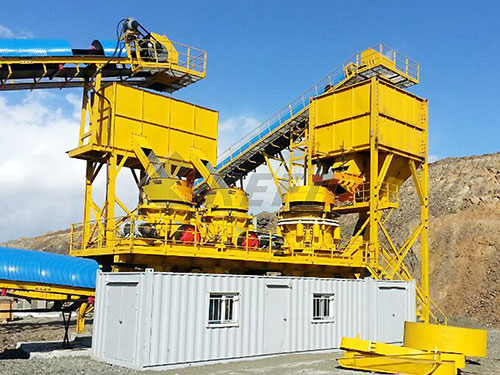
Is your current equipment causing profit erosion through maintenance costs and lost production time? A purposeengineered solution is required to transform this industrial byproduct into a consistent revenue stream.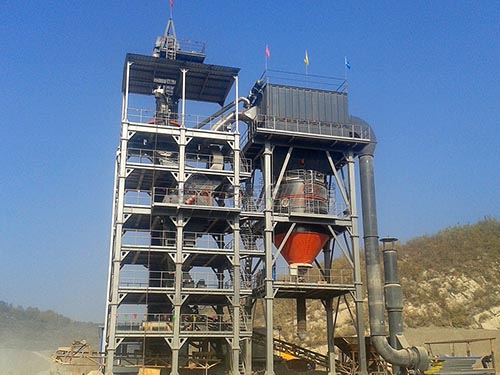
2. PRODUCT OVERVIEW: SLAG CRUSHER PLANT
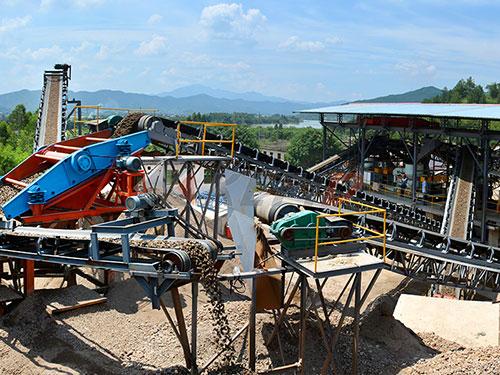
A Slag Crusher Plant is a stationary or semimobile processing system specifically engineered to reduce large chunks of aircooled or granulated metallurgical slag (blast furnace, steel furnace) into precisely graded aggregate for construction, road base, or raw feed for cement manufacturing.
Operational Workflow:
1. Primary Reduction: Large slag feed (up to 1000mm) is introduced to a heavyduty jaw crusher or impact breaker for initial size reduction.
2. Secondary Crushing & Screening: Material is conveyed to a cone crusher or secondary impactor for further refinement, then passed over a vibrating screen to separate onspec product.
3. Oversize Recirculation: Oversized material is recirculated via return conveyors back into the secondary crusher in a closedloop system.
4. Final Sizing & Stockpiling: Correctly sized material is routed through final screening decks and conveyed to designated stockpiles for loadout.
Application Scope: Processing blast furnace slag (BFS), steel slag (LD slag), ferroalloy slag, and other nonmetallic mineral aggregates. Designed for integrated mill sites, standalone recycling yards, and aggregate producers.
Key Limitations: Not designed for primary ore processing or extremely wet, sticky materials without preprocessing. Feed size must be controlled within plant design limits.
3. CORE FEATURES
HeavyDuty Vibrating Grizzly Feeder | Technical Basis: Controlled feed rate with prescreening | Operational Benefit: Removes fine fractions before primary crushing, reduces unnecessary wear and improves primary crusher efficiency | ROI Impact: Extends liner life in primary stage by an estimated 1520%, lowering parts cost per ton
Manganese Steel Wear Package | Technical Basis: Austenitic manganese steel workhardens under impact | Operational Benefit: Crusher jaws, concaves, mantles, and impact hammers develop a hardened surface layer in service, resisting abrasive wear from slag | ROI Impact: Documented increase of 3050% in wear life compared to standard AR steel components
Impact Crusher with Hydraulic Adjustment | Technical Basis: Dynamic impact crushing with adjustable aprons/grinding path | Operational Benefit: Operators can finetune product gradation without shutdowns; hydraulic opening assists in clearing blockages from tramp metal | ROI Impact: Reduces downtime for product changeovers by up to 80% and minimizes stallrelated maintenance
Reinforced Plate Conveyors with AbrasionResistant Liners | Technical Basis: Hightensile belts with vulcanized splices and replaceable skirting/wear liners | Operational Benefit: Withstands continuous abrasion from sharp slag edges, minimizing belt tears and spillage | ROI Impact: Lowers conveyor maintenance costs and improves plant housekeeping/safety
Centralized Greasing & Dust Suppression System | Technical Basis: Automated lubrication points and strategically placed fog cannons/nozzles | Operational Benefit: Ensures critical bearings receive proper lubrication; suppresses dust at transfer points for compliance and operator health | ROI Impact: Prevents bearing failures (a leading cause of unplanned stops) and reduces water consumption vs. manual spraying
PLCBased Control Panel with Motor Protection | Technical Basis: Programmable Logic Controller monitoring amp draw, temperature, and sequence interlocking | Operational Benefit: Provides operators with clear fault diagnostics, prevents incorrect startup sequences, and protects motors from overloads | ROI Impact: Simplifies troubleshooting by 40%, protecting major electrical components from catastrophic failure
4. COMPETITIVE ADVANTAGES
| Performance Metric | Industry Standard Solution | Our Slag Crusher Plant Solution | Advantage (% Improvement) |
| : | : | : | : |
| Liner Life (Primary Stage)| Standard AR400 Liners | WorkHardening Manganese Steel Liners w/ Optimal Geometry | +35% Longer Life |
| Tramp Metal Incident Resolution Time| Manual clearing requiring partial disassembly / oxycutting| Hydraulic Opening System & Access Doors for NonFerrous Metal Release| 90% Downtime per Incident |
| Overall Plant Availability| ~8285% (Scheduled & Unscheduled Stops) |>92% (via redundant drives, easyaccess maintenance design)| +810% Absolute Increase |
| Power Consumption per Ton Processed| Fixedspeed drives across all units| PLCcontrolled VFDs on conveyors & fans; highefficiency crusher motors| 12% Energy Usage |
| Product Gradation Consistency (± spec)| ±15% variability due to wear & manual adjustment| ±5% via hydraulic crusher adjustment & prescreening feeder control| +66% More Consistent Output |
5. TECHNICAL SPECIFICATIONS
Capacity Range: Configurable from 50 TPH to over 400 TPH processed slag.
Primary Crusher Options: Jaw Crusher (900mm x 600mm to 1500mm x 1200mm) or Primary Impact Crusher (Φ1250mm x 1500mm to Φ2000mm x 2500mm rotor).
Secondary/Tertiary Crusher Options: Cone Crushers (HP200 HP500 equivalent) or Secondary/Tertiary Impact Crushers.
Power Requirements: Total connected load from 150 kW to 800 kW depending on configuration; supplied for 400V/50Hz or other international standards.
Key Material Specifications: Primary frame construction from S355JR structural steel; wear surfaces lined with AR400 or Hardox 450; crushing chambers with Mn18Cr2 or equivalent manganese steel.
Physical Dimensions (Typical SkidMounted Unit): Length ~25m – 45m; Width ~6m – 8m; Height ~7m –10m.
Environmental Operating Range: Designed for ambient temperatures from 20°C to +45°C; dust emission control to <20 mg/Nm³ at outlet with suppression system active.
6. APPLICATION SCENARIOS
Integrated Steel Mill Recycling Yard
Challenge: A major steel producer needed to process variablesized steel slag (LD slag) containing occasional tramp metal. Their existing plant suffered weekly breakdowns due to crusher jams and extreme abrasion wear.
Solution: Implementation of a turnkey Slag Crusher Plant featuring a heavyduty apron feeder for scalpings, a primary impact crusher with hydraulic assist hoods, magnetic separation at key stages, and manganese steel wear parts throughout the crushing circuit.
Results: Plant availability increased from 78% to 94%. Tramp metal incidents now resolved in under 30 minutes versus previous 8hour shifts. Aggregate output met railway ballast specifications consistently.
Independent Construction Aggregate Producer
Challenge: An aggregate supplier processing purchased blast furnace slag faced high fines generation (>25%) using older jawandcone technology, reducing the volume of valuable coarse aggregate.
Solution: A tailored twostage Slag Crusher Plant utilizing a jaw crusher for primary reduction followed by a cone crusher in closed circuit with a tripledeck screen. The chokefed cone setup was optimized for slabby product shape correction.
Results: Fines generation reduced to below 15%, increasing saleable coarse aggregate yield by over 10%. The consistent cubical product commanded a $2/ton price premium in the local readymix concrete market.
Cement Plant Raw Feed Preparation
Challenge: A cement manufacturer using granulated blast furnace slag as an additive needed precise <10mm sizing but sought lower power costs than their existing hammer mill system offered.
Solution: Installation of our Slag Crushing Plant configured around highefficiency vertical shaft impactor technology specifically tuned for granulated material.
Results: Achieved required sizing at 22% lower specific power consumption while reducing noise levels significantly within the plant boundary.
Commercial Considerations Equipment Pricing Tiers:
Base Configuration SkidMounted Plant includes primary secondary crushing basic screening starting at Tier I pricing
MidRange Configuration adds automated magnetic separator dust suppression system PLC controls
Premium Turnkey Configuration includes full enclosure climate control advanced vibration monitoring remote support connectivity
Optional Features:
Portable wheelmounted chassis
Advanced metal detection rejection systems
Sound attenuation enclosures
Automated sampler systems
Spare parts starter kits
Service Packages:
Standard Warranty covers parts defects
Extended Service Plan includes annual inspection labor discounts
Full Maintenance Contract providing fixedcost coverage all scheduled unscheduled maintenance
Financing Options:
Capital equipment financing available through partners leasepurchase agreements operating leases terms years
FAQ Q1 Is your Slag Crrusherr Plannt compatible witth our existing conveyorr feederr systemms?
A Engineering review can ensure interface compatibility We designeed hopper heights discharge chutes conveyor speeds integrate witth client site layout Belt widths capacities are matched during proposal stage
Q2 Whatt iis thee typical installation commissioning timeline?
A Forr skidded modules onsite erection mechanical electrical hookup typically requires weeks following foundation preparation Commissioning performance testing takes additional week
Q3 How does this plantt handle wettt oor sticky slagg?
A While designed primarily foor aircooledd slagg grizzly feeders can bypass fines Forr materials witth higgh moisture content we recommend predryingr adding heating elements tto hoppers prevent bridging Additional cost option
Q4 Whatt aree thee critical spare partts we should stock onsite?
A We provide recommended spares list basedd onn expected wear rates Typically includes set off primary jaw dies set off secondary concave mantles key conveyor idlers stock off screen meshes
Q5 Can you provide performance guarantees?
A Yes We offer guaranteed throughput capacity rated power consumption basedd onn agreed feed material analysis Product gradation curves are also guaranteed forn given CSS settings
Q6 Do you offer operator training?
A Comprehensive training forn client operators maintenance staff iss included witth every installation Covers daily operation routine maintenance troubleshooting safety procedures
Q7 Whatt iis thee expected lifespan off thee plantt structure major components?
A The main plant structure has design life exceeding years witth proper upkeep Major crushers frames have similar lifespan Highwear components like liners hammers are consumables replaced per usage cycles defined inn operation manual