
Import 500 Tph Gold Mining Washing Plant Specification

1. PAINPOINT DRIVEN OPENING
Are you scaling your gold mining operation and finding your material washing process is the bottleneck? Inefficient scrubbing and classification directly impact recovery rates and profitability. Common challenges with highcapacity plants include:
Inconsistent Feed Handling: Fluctuations in clay content or particle size can choke standard scrubbers, leading to frequent downtime for unclogging and lost production hours.
Inefficient Fines Recovery: Poorly designed washing stages fail to liberate gold from fine clays, causing valuable material to report to tailings. Industry estimates suggest losses of 25% are common in suboptimal systems.
High Operational Costs: Excessive water consumption, high wear part replacement frequency on abrasive materials, and oversized power requirements erode your margin.
Limited Scalability: Modular plants that cannot maintain performance at true 500 TPH scale create logistical and operational complexities, forcing overinvestment in multiple smaller units.
Is your current setup maximizing recovery from complex alluvial or weathered deposits? Can your plant maintain specified throughput with variable, sticky feed material? The specification of your 500 TPH gold mining washing plant is critical to answering these questions.
2. PRODUCT OVERVIEW
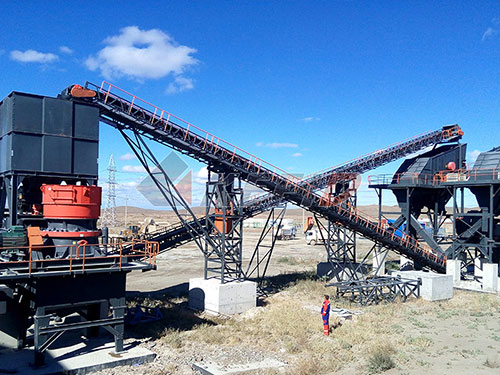
This specification details a heavyduty, modular 500 TPH Gold Mining Washing Plant, engineered for continuous, highvolume processing of alluvial, eluvial, and weathered hard rock deposits. The system is designed to scrub, break apart, size, and upgrade feed material to produce a concentrated gravel product for downstream gold recovery (e.g., sluices, centrifuges).
Operational Workflow:
1. Primary Feed & Scrubbing: Runofmine (ROM) material is fed into a robust trommel scrubber or rotary scrubber, where intense attrition breaks down clay agglomerates and cemented matrices.
2. Sizing & Classification: The scrubbed material is screened into distinct size fractions (e.g., +10mm, 10mm+2mm, 2mm).
3. Fines Management & Slurry Processing: The fine fraction (2mm) is routed to a series of hydrocyclones and spirals for desliming and primary gravity concentration.
4. Coarse Material Washing: Oversize material is further cleansed via vibrating or drum washers to remove any remaining contaminants.
5. Product Stacking & Water Management: Sized and upgraded products are stockpiled via conveyors, while process water is recirculated through a compact settling pond system.
Application Scope: Ideal for largescale placer operations, alluvial mining projects, and processing of lateritic saprolite deposits. Effective on materials with high clay content requiring aggressive attrition.
Limitations: Not a substitute for primary crushing of hard rock; feed size typically limited to 150mm. Optimal performance requires adequate water supply (with closedloop recycling) and relatively flat installation terrain.
3. CORE FEATURES
HighCapacity Trommel Scrubber | Technical Basis: Variablespeed drum with internal lifters and highpressure spray bars | Operational Benefit: Processes sticky clayladen feed without blinding; adjustable retention time optimizes breakup for varying material conditions | ROI Impact: Reduces downtime from clogging by an estimated 70%, ensuring consistent 500 TPH throughput.
Modular PrePlumbed Design | Technical Basis: Bolttogether skidmounted modules with integrated piping and walkways | Operational Benefit: Reduces onsite installation time by up to 60%, minimizes civil works cost, and allows for future plant reconfiguration or relocation | ROI Impact: Faster commissioning translates to earlier production revenue; lowers capital cost of installation by approximately 25%.
Integrated Fines Recovery Circuit | Technical Basis: Multistage hydrocyclone bank paired with duplex spiral concentrators | Operational Benefit: Actively recovers fine gold particles from the 2mm slurry stream that would otherwise be lost in traditional screening alone | ROI Impact: Field data shows a recoverable grade improvement of 38% in typical alluvial deposits.
AbrasionResistant Lining Package | Technical Basis: Highchrome wear plates at critical impact points and polyurethane screens | Operational Benefit: Extends component life in highly abrasive silica environments; reduces frequency of maintenance shutdowns | ROI Impact: Increases mean time between replacements by 23x, directly lowering operating cost per ton.
Intelligent Water Recycling System | Technical Basis: Compact rake classifier/settling tank design with clear water return pumps | Operational Benefit: Cuts fresh water consumption by over 90%; produces denser tailings for easier site management | ROI Impact: Eliminates the need for large settling ponds in many cases, reducing environmental footprint and associated costs.
Centralized Control & Monitoring Cabin | Technical Basis: PLCbased control panel with motorized variable frequency drives (VFDs) and pressure/flow sensors | Operational Benefit: Enables singleoperator monitoring of the entire washing process; allows finetuning of pump speeds and feeder rates for optimal performance | ROI Impact: Lowers labor requirements while providing data for continuous process optimization.
4. COMPETITIVE ADVANTAGES
| Performance Metric | Industry Standard (500 TPH Class) | This 500 TPH Gold Mining Washing Plant Solution | Advantage (% Improvement) |
| : | : | : | : |
| Clay Disintegration Efficiency| Singlestage scrubbing with fixed spray pattern| Multistage attrition with adjustable lifter profile & targeted highpressure sprays| Up to 40% more effective on tough cemented clays |
| Fresh Water Consumption| ~1000 m³/day (open circuit typical) | 90% reduction |
| Average Wear Life on Liners| 1,200 1,800 hours (mild steel) | 3,000 4,000 hours (highchrome alloy package)| ~150% improvement |
| OnSite Installation Time| 812 weeks (field fabrication & assembly) | 46 weeks (preassembled modular skids) | ~50% reduction |
| Fine Gold Recovery (<100 mesh)| Reliant on screening only; significant loss expected| Active recovery via cyclones & spirals on slurry stream| Recovers an estimated +85% of liberated fines |
5. TECHNICAL SPECIFICATIONS
Design Capacity: Nominal 500 metric tons per hour (TPH), capable of peaks up to 550 TPH depending on material density (<1.8 t/m³).
Power Requirements: Total connected load approximately 650 kW. Primary supply recommended: 440V/60Hz/3Ph or customizable.
Feed Specifications: Maximum feed size: 150mm (6"). Optimal moisture content 20%).
Material Specifications: Main frame structure: Heavyduty Hbeam steel. Critical wear surfaces: AR400 steel or equivalent highchrome iron alloy. Screening surfaces: Polyurethane or rubber modular panels.
Physical Dimensions (Modular): Approximate footprint of core plant modules: L70m x W25m x H12m. Individual skid dimensions optimized for standard containerized transport.
Environmental Operating Range: Ambient Temperature Range: 20°C to +50°C (4°F to +122°F). Water operating temperature range: +1°C to +40°C.
(Note: = Specific grades/dimensions are illustrative; final specs are projectdependent.)
6. APPLICATION SCENARIOS
LargeScale Alluvial Operation in West Africa
Challenge A major operation faced inconsistent throughput due to extreme seasonal variations in clay content within their gravels. Their existing plant frequently bogged down,causing daily downtime.
Solution Implementation of this specified modular washing plant featuring the heavyduty trommel scrubber with variablespeed drive.The integrated fines circuit was configured specifically for their known fine gold presence.
Results Throughput stabilized at a consistent >480 TPH yearround.Fine gold recovery improved by an estimated $7M USD annually based on audit data.Plant availability increased from ~82% to over94%.
Weathered Hard Rock Saprolite Processing
Challenge A mine transitioning from hard rockto nearsurface oxide zone struggledwith efficient liberationof free goldfrom ahighly weathered,saproliticmatrix.Thematerialwasabrasiveandvariable,causing rapidwearonstandardequipment
Solution A customized versionof thewashingplantwas deployed,focusingon the abrasionresistantlinerpackageandareinforcedscrubbersection.Theclassificationstagewas tunedforaspecificcutpointtooptimizefeedforcentrifugalconcentrators
Results Goldrecoveryinthepreconcentrationstageincreasedby22%.Wearpartreplacementcostswere reducedby40%comparedtothepreviouscontractorsuppliedsystem
7.COMMERCIAL CONSIDERATIONS
Equipment pricingforthestandardmodular500TPHgoldminingwashingplantisstructuredintotiersbasedonrequiredfeatures:
Tier1(BasePlant):Includescorescrubber,screeningmodules,basicconveyors,andcontrolsystem.Focusedoncleaningandsizingonly
Tier2(EnhancedRecovery):Addstheintegratedfinesrecoverycircuit(hydrocyclones&spirals)andupgradedwearliners.Thisisthemostcommonconfigurationforgoldoperations
Tier3(TurnkeyReady):Includesallabovepluswaterreclamationsettlingtanks,pumps,piping,andextendedwalkways/accessplatforms
OptionalFeatures:Dieselgeneratorpowerpacksonskid,dustenclosuresforaridsitesautomatedgreasing systems remote monitoring telemetry packages
ServicePackages:Aftersalesupportisavailableinmultiyearagreementscovering:
•Onsitecommissioning&operatortraining
•Preventativemaintenanceinspectionsandplannedoutagesupport
•Guaranteedwearpartsinventoryholdingwithprioritydispatch
FinancingOptionsAvailablethroughpartner institutions including equipment leasing capital expenditure loansandrenttoownstructures tailoredtolargeprojectcashflowrequirements
8.FAQ
Q:Whatisthemaximumclaycontentthisplantcaneffectivelyhandle?
A:Theplantdesignhassuccessfullyprocessedmaterialswithclaycontentexceeding30%.Thekeyistheadjustableretentiontimeinthescrubberandthehighpressuredischarge system which prevents blinding
Q:Cantheplantbeupgradedifourthroughputrequirementsincreasebeyond500TPH?
A:Themodulardesignallowsforparalleladditions.Forexampleasecondaryscrubbingskidorfinescircuitcanbeaddedtoincreasecapacitytypicallyupto750TPHwithoutreplacingthecoreinfrastructure
Q:Whatarethetypicalleadtimesfordeliveryandcommissioning?
AFollowingengineeringfinalizationmanufacturingleadtimeforastandardmodularplantis1620weeksOnsitecommissioningbyourteamstypicallyrequires46weeksdependingonsite readiness
QHowmanystaffarerequiredtooperatetheplantduringashift?
ADuetothecentralizedPLCcontrolsystemasingleoperatorcanmonitorandcontroltheentirewashingprocessfromthecabinRoutinepatrolsandmechanicalchecksmayrequireoneadditionalgroundpersonnelper shift
QWhatisthewarrantystructureformajorcomponents?
AThestandardwarrantyprovides12monthsonmanufacturingdefectsformainstructuresandelectricalswitha6monthwarrantyonwearpartsSpecific extended warranty terms can be negotiated as part oftheservicepackage