
Penyelenggaraan penghancur
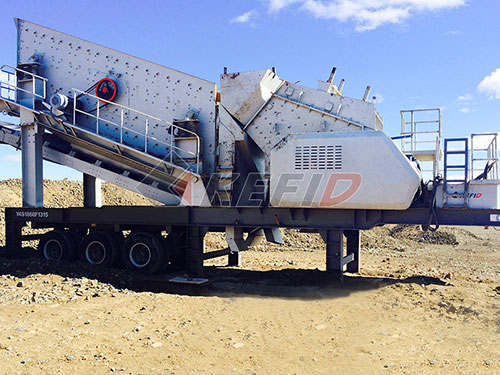

Seni kritikal penyelenggaraan penghancur: Ensuring Efficiency and Longevity
Dalam dunia perlombongan yang menuntut, Penggalian, Pengeluaran agregat, dan kitar semula, penghancur berdiri sebagai jantung berotot operasi. Mesin -mesin yang mantap ini secara tidak sengaja mengurangkan batu besar, bijih, dan konkrit ke dalam saiz yang boleh diurus. Walau bagaimanapun, Seperti mana -mana enjin yang kuat tertakluk kepada tekanan yang besar dan bahan yang kasar, penghancur menuntut penjagaan yang teliti. Perawatan Crusher – crusher maintenance – is not merely a recommended practice; it is an absolute necessity for operational efficiency, kawalan kos, keselamatan, and maximizing the return on this significant capital investment.
Why Crusher Maintenance is Non-Negotiable
Neglecting crusher maintenance is a costly gamble with severe consequences:
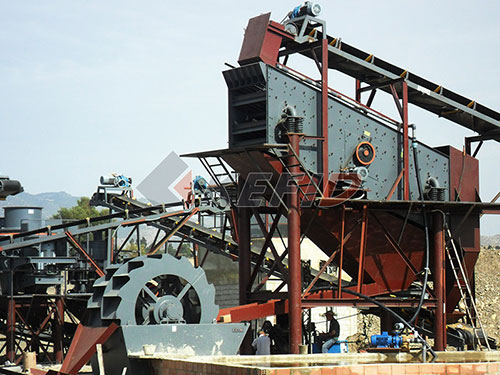
1. Kegagalan Bencana: A sudden breakdown of critical components (Aci eksentrik, galas, rangka utama) leads to extensive downtime – often days or weeks – halting production entirely. Repair costs skyrocket.
2. Mengurangkan kecekapan & Output: Pelapik lusuh (mantle/concaves/jaw plates), dull or damaged wear parts, misaligned components, or poor lubrication drastically reduce crushing capacity and product quality (poor shape/size distribution).
3. Increased Operating Costs: Inefficient crushing consumes more power. Frequent minor repairs and premature part replacements drain budgets faster than planned maintenance.
4. Bahaya keselamatan: Komponen longgar, worn structures, kebocoran hidraulik, or unexpected failures pose significant risks to personnel working near or on the equipment.
5. Shortened Equipment Lifespan: Continuous operation without proper care accelerates wear on major assemblies far beyond normal rates.
Pillars of Effective Crusher Maintenance (Penyelenggaraan penghancur)
A successful crusher maintenance strategy integrates several key approaches:
1. Penyelenggaraan pencegahan (Pm): Yayasan
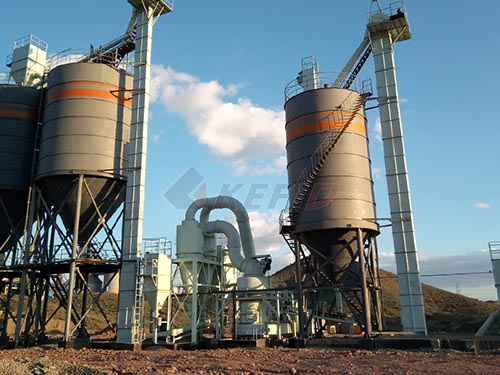
Pemeriksaan Berjadual: Daily walk-arounds checking for leaks (minyak, grease, hydraulic fluid), unusual noises/vibrations, loose bolts/belts/guards.
Lubrication Management: Strict adherence to OEM lubrication schedules using the correct type and grade of lubricant. Regularly check grease levels in bearings and automatic lubrication systems; monitor oil levels and condition in gearboxes/hydraulics.
Wear Part Monitoring & Penggantian: Regularly measure critical wear parts like jaw dies, Cone Mantles/Concaves, impactor blow bars/aprons/liners. Replace them proactively based on wear limits before they fail catast