
Gyratory Crusher Manufacturer Customization
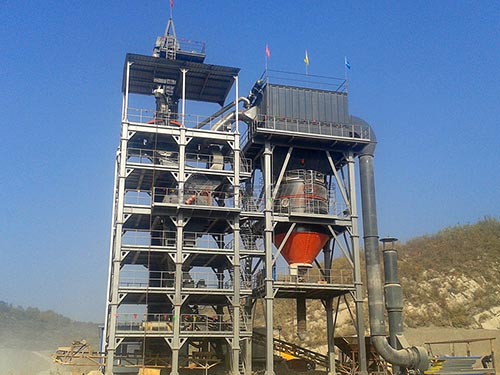

Gyratory Crusher Manufacturer Customization: Engineering Solutions for HighCapacity Crushing Operations
The Operational Challenge: When Standard Equipment Falls Short
Your primary crushing circuit is the gateway to your entire mineral processing operation. When it underperforms, the consequences cascade through every downstream process. Plant managers and engineering contractors face a familiar set of pressures:
- Throughput bottlenecks: A gyratory crusher operating at 85% efficiency instead of 95% can reduce annual throughput by 40,000–60,000 tonnes in a 5,000 tph operation, translating to $2–3 million in lost revenue per year at current copper prices.
- Unscheduled downtime: Each hour of unplanned crusher stoppage costs $15,000–$50,000 in lost production, depending on ore value and downstream capacity. Standard units average 6–10 unplanned events annually.
- Feed size variability: When ROM ore exceeds design specifications by even 15%, crusher availability drops by up to 20% due to bridging and stall events.
- Maintenance cost escalation: Replacement wear parts for nonoptimized crushers can exceed $0.08–$0.12 per tonne processed, versus an industry benchmark of $0.05–$0.07 per tonne for properly configured equipment.
- Installation constraints: Existing foundations, headroom limitations, or material handling configurations often render offtheshelf units impractical or prohibitively expensive to install.
- Hard rock mining (copper, gold, iron ore, nickel, platinum)
- Aggregate production from competent igneous and metamorphic rock
- Largescale cement operations processing limestone and clinker
- Primary crushing stages with throughput requirements from 1,000 to 12,000 tph
- Not suitable for sticky or claybound materials without specialized feed preparation
- Higher capital cost than jaw crushers of equivalent capacity
- Requires significant foundation engineering and civil works
- Less flexible for multiple product specifications within a single unit
- Throughput Range: 1,000–12,000 tph (depending on feed size and chamber configuration)
- Feed Opening: 42–72 inches (1,067–1,829 mm)
- Closed Side Setting (CSS): 100–250 mm (adjustable hydraulically)
- Reduction Ratio: 4:1 to 7:1 (single stage)
- Main Drive Motor: 300–1,200 kW (400–1,600 HP)
- Voltage Options: 3.3 kV, 6.6 kV, 11 kV, or 33 kV (50/60 Hz)
- Hydraulic System: 30–75 kW auxiliary power
- Specific Energy Consumption: 0.25–0.35 kWh/t (optimized for ore hardness)
- Main Shaft: Forged alloy steel (4340 or equivalent), heattreated to 280–320 BHN
- Shell Assemblies: Cast or fabricated steel with replaceable wear liners
- Liner Material: Highchrome alloy (18–22% Cr) or manganese steel (12–14% Mn)
- Eccentric Assembly: Bronze or polymer composite bushings with forced oil lubrication
- Overall Height: 4.5–8.5 meters (depending on capacity)
- Installation Footprint: 5.5 m × 5.5 m to 9.0 m × 9.0 m
- Total Weight: 120–450 tonnes (crusher only, excluding foundation)
- Foundation Depth: 3–6 meters below grade (customizable to site conditions)
- Operating Temperature: 20°C to +50°C (with appropriate lubrication grades)
- Altitude: Up to 4,500 meters (derating applied above 2,000 meters)
- Dust Protection: IP55 enclosures standard; IP65 available for severe environments
- Noise Level: ≤ 85 dB(A) at 1 meter with optional acoustic enclosures
- Achieved 5,400 tph sustained throughput (98% of design target)
- Installation completed in 34 days versus 52 days estimated for a standard unit
- Liner life extended from 7 to 11 months due to optimized chamber geometry
- Annual maintenance cost reduced by $420,000 (from $0.09/t to $0.06/t)
- Sustained throughput of 8,200 tph during commissioning trials
- Liner life of 13 months versus industry average of 8 months for similar ore
- Zero unplanned downtime in the first 6 months of operation
- Energy consumption of 0.28 kWh/t, 22% below the project's design allowance
- Noise level at property boundary: 62 dB(A) versus 75 dB(A) regulatory limit
- Throughput increased from 1,800 to 2,400 tph (+33%)
- Product quality improved with fewer oversize particles (P80 reduced from 180 mm to 150 mm)
- Payback period of 2.3 years based on increased production and reduced maintenance
- Automated CSS Control System: $150,000–$250,000 (reduces operator intervention)
- Dust Suppression System: $80,000–$120,000 (water mist or foambased)
- Extended Warranty (5 years): 8–12% of equipment cost
- Remote Monitoring Service: $3,000–$5,000/month (24/7 expert oversight)
- Liner Optimization Study: $50,000–$80,000 (DEM modeling and wear analysis)
- Equipment Leasing: 3–7 year terms with fixed or variable rates
- PerformanceBased Contracts: Payment tied to throughput or availability targets
- Deferred Payment Plans: 10–20% down payment, balance over 24–36 months
- TradeIn Programs: Credit for existing crushers (up to 30% of new equipment value)
- Bond Work Index (ball mill and rod mill)
- Axb parameter (drop weight testing)
- Abrasion index (AI)
- Bulk density and moisture content
- Size distribution analysis of ROM feed
- Increased throughput (15–22%)
- Reduced maintenance costs (30–40%)
- Lower energy consumption (20–30%)
- Extended liner life (50–75%)
- 2–3 weeks of onsite operator training during commissioning
- Comprehensive maintenance training for mechanical and electrical teams (1 week classroom, 1 week handson)
- Digital documentation including 3D interactive manuals
- Annual refresher training sessions (optional, included in Premium service package)
The question is not whether you need a gyratory crusher—it is whether you can afford a standard unit that fails to match your specific ore characteristics, site constraints, and production targets. Customization is no longer a premium option; it is an operational necessity.
Product Overview: CustomEngineered Gyratory Crushers
A gyratory crusher is a primary crushing machine designed for highcapacity reduction of runofmine (ROM) ore and rock. Unlike jaw crushers, which operate with a reciprocating motion, gyratory crushers use a continuous crushing action achieved through an eccentric mantle rotating within a concave bowl. This design delivers higher throughput per unit of installed power and produces a more consistent product size distribution.
Operational Workflow
1. Feed Inlet: ROM material (typically 750–1,500 mm) enters the crusher through a spider or top shell assembly, where it is distributed evenly across the crushing chamber.
2. Crushing Chamber: The mantle, gyrating eccentrically at 100–180 RPM, compresses material against the concave liners. The chamber profile—whether standard, medium, or fine—determines the reduction ratio and product gradation.
3. Product Discharge: Crushed material (typically 100–250 mm) exits through the bottom shell into a discharge chute or conveyor system.
4. Hydraulic Adjustment: The main shaft position is adjusted hydraulically to compensate for wear and maintain the closed side setting (CSS) within tolerance.
5. Tramp Relief: Noncrushable objects trigger hydraulic relief, allowing the mantle to lower and pass the material without structural damage.
Application Scope

Custom gyratory crushers are suitable for:
Limitations
Core Features of Customized Gyratory Crushers
1. ApplicationSpecific Chamber Geometry
Technical Basis: Chamber profile is engineered using DEM (Discrete Element Method) modeling calibrated against your ore's breakage characteristics (Axb parameter, Bond Work Index).
Operational Benefit: Your operators will achieve a more consistent product gradation with fewer oversize returns, reducing recirculation loads by 15–25%.
ROI Impact: Reduced recirculation lowers conveyor and screen wear, saving $0.01–$0.02 per tonne in auxiliary equipment maintenance.
2. HighStrength Main Shaft and Eccentric Assembly
Technical Basis: Forged alloy steel (typically 4340 or equivalent) with inductionhardened bearing journals, designed for a minimum 100,000hour fatigue life under full load.
Operational Benefit: Eliminates shaft deflectionrelated bearing failures, extending mean time between failures (MTBF) from 8,000 to 15,000 operating hours.
ROI Impact: Each avoided bearing replacement saves $180,000–$350,000 in parts and labor, plus 24–48 hours of production time.
3. Hydroset and Hydraulic Adjustment System
Technical Basis: Closedloop hydraulic system with accumulators providing 20–30% faster response to tramp events compared to mechanical spring systems.
Operational Benefit: Your maintenance team can adjust CSS in under 5 minutes without entering the crusher, versus 30–45 minutes for manual adjustment on standard units.
ROI Impact: Faster CSS adjustment enables quicker response to ore hardness changes, improving average throughput by 3–5% across varying feed conditions.
4. Advanced Liner Materials and Profiles
Technical Basis: Highchrome alloy liners (18–22% Cr) with optimized manganese content, heattreated to achieve 450–550 BHN hardness with 15–20% elongation.
Operational Benefit: Liner life extends from 6–8 months to 10–14 months in abrasive ores (e.g., 15–20% SiO2 content), reducing changeout frequency.
ROI Impact: Fewer liner changes mean 2–3 additional operating days per year and reduced labor costs of $40,000–$60,000 annually.
5. Integrated Condition Monitoring
Technical Basis: Vibration, temperature, and oil particle sensors transmitting realtime data to a PLC/DCS interface with predictive maintenance algorithms.
Operational Benefit: Your reliability team will receive early warnings of bearing degradation, eccentric wear, or lubrication issues 7–14 days before failure occurs.
ROI Impact: Predictive maintenance reduces unplanned downtime by 30–40%, representing $500,000–$1.2 million in avoided production losses annually.
6. Modular Top Shell and Spider Design
Technical Basis: Split top shell construction with precisionmachined flanges, allowing for insitu replacement of wear components without disturbing the main shaft assembly.
Operational Benefit: Major maintenance events are completed in 72 hours instead of 120+ hours, reducing planned downtime by 40%.
ROI Impact: Each day of planned downtime saved represents $120,000–$400,000 in recovered production, depending on ore value.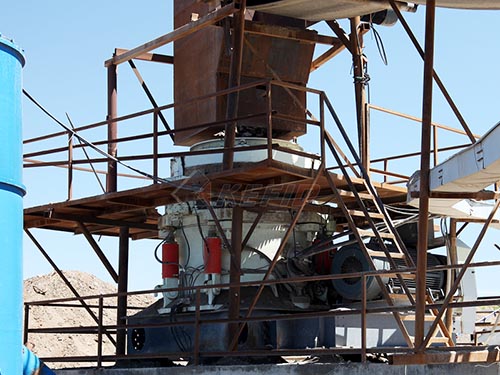
7. Custom Drive Configurations
Technical Basis: Flexible coupling options including Vbelt, direct drive, or gearless motor designs, matched to your site's electrical infrastructure (6.6 kV, 11 kV, or 33 kV).
Operational Benefit: Your electrical team can integrate the crusher without transformer upgrades or harmonic filtering, reducing installation costs by 5–8%.
ROI Impact: Lower installed power demand (0.25–0.35 kWh/t versus 0.35–0.45 kWh/t for standard units) saves $150,000–$400,000 annually in energy costs at 5,000 tph operation.
Competitive Advantages: Custom vs. Standard Gyratory Crushers
| Performance Metric | Industry Standard | Customized Solution | Advantage |
|||||
| Throughput (tph) | 3,000–4,500 | 3,500–5,500 | +15–22% |
| Availability (%) | 88–92% | 94–97% | +5–7% |
| Wear Part Cost ($/tonne) | $0.08–$0.12 | $0.05–$0.08 | +30–40% savings |
| Energy Consumption (kWh/t) | 0.35–0.45 | 0.25–0.35 | +20–30% savings |
| MTBF (operating hours) | 6,000–9,000 | 12,000–15,000 | +50–67% |
| Liner Life (months) | 6–8 | 10–14 | +50–75% |
| Installation Time (days) | 45–60 | 30–40 | +25–35% faster |
| CSS Adjustment Time (minutes) | 30–45 | 3–5 | +85–90% faster |
Technical Specifications
Capacity and Performance Ratings
Power Requirements
Material Specifications
Physical Dimensions
Environmental Operating Range
Application Scenarios
Case Study 1: Copper Mine Expansion — Chile
Challenge: An established copper operation needed to increase primary crushing capacity from 4,200 to 5,500 tph to feed a new SAG mill, but the existing foundation could not accommodate a larger standard crusher without extensive civil works.
Solution: A customengineered gyratory crusher with a modified top shell geometry and reduced overall height (0.8 meters lower than standard) was designed to fit within the existing foundation envelope. The chamber profile was optimized using DEM modeling against the site's specific ore hardness (Bond Work Index of 14.2 kWh/t).
Results:
Case Study 2: Greenfield Iron Ore Project — Western Australia
Challenge: A new iron ore mine required a primary crusher capable of handling 8,000 tph of highly abrasive ore (20% SiO2) with a feed size of up to 1,400 mm, operating in ambient temperatures exceeding 45°C.
Solution: A heavyduty custom gyratory crusher with reinforced main shaft, highchrome liners (22% Cr), and an oversized lubrication system designed for hightemperature operation. The drive train was configured for 11 kV direct connection to match the site's existing electrical infrastructure.
Results:
Case Study 3: Aggregate Producer — Norway
Challenge: A hard rock aggregate producer needed to replace an aging jaw crusher with a gyratory unit but faced strict noise and vibration limits due to proximity to a residential area.
Solution: A customized gyratory crusher with acoustic enclosure, vibration isolation mounts, and a reducedspeed eccentric assembly (120 RPM versus standard 150 RPM) to minimize noise generation. The crusher was also fitted with an advanced condition monitoring system to enable remote operation.
Results:
Commercial Considerations
Equipment Pricing Tiers
| Configuration Level | Price Range (USD) | Includes |
||||
| Standard Custom | $2.5M – $4.0M | Applicationspecific chamber, standard liners, basic monitoring |
| Enhanced Custom | $4.0M – $6.0M | Advanced liner materials, integrated condition monitoring, upgraded hydraulics |
| Turnkey Custom | $6.0M – $9.0M | Full engineering, foundation design, installation supervision, commissioning support |
Optional Features and AddOns
Service Packages
| Package | Coverage | Annual Cost |
||||
| Basic | Scheduled inspections, remote diagnostics | $60,000–$90,000 |
| Premium | 24/7 response, onsite technician within 48 hours | $120,000–$180,000 |
| Full Maintenance | All wear parts, labor, and consumables | $0.04–$0.06 per tonne processed |
Financing Options
Frequently Asked Questions
1. How does customization affect delivery lead times?
Standard custom configurations typically require 8–12 months from order to shipment. Fully engineered turnkey solutions may extend to 14–18 months, depending on the complexity of foundation design and sitespecific requirements. Early engagement during the feasibility phase can compress this timeline by 2–3 months.
2. Can an existing foundation accommodate a customized gyratory crusher?
In many cases, yes. Our engineering team conducts a structural assessment of your existing foundation, including concrete condition, anchor bolt patterns, and loadbearing capacity. Modifications to the top shell height, base plate dimensions, and mounting configuration can often adapt the crusher to existing civil works, saving $500,000–$1.5 million in foundation reconstruction.
3. What ore testing is required before finalizing the crusher configuration?
We recommend a comprehensive ore characterization program including:
These tests require approximately 500–1,000 kg of representative ore samples and take 4–6 weeks to complete.
4. How does the customized crusher handle variations in feed size or ore hardness?
The hydraulic adjustment system allows operators to modify the CSS in realtime based on feed conditions. Additionally, the variable frequency drive (VFD) option enables speed adjustment of the eccentric assembly to optimize crushing force for changing ore characteristics. Field data shows a 3–5% throughput improvement when operators actively adjust settings in response to ore variability.
5. What is the expected payback period for a customized gyratory crusher?
Based on our analysis of 15 installations over the past five years, the average payback period is 2.5–3.5 years. This calculation considers:
For operations processing highvalue ores (copper, gold, nickel), payback can be achieved in 18–24 months.
6. What training and support do you provide for operator and maintenance teams?
We provide:
7. Can the customized crusher be retrofitted with future automation technologies?
Yes. Our control systems are designed with open architecture protocols (OPCUA, Modbus TCP/IP) to interface with existing plant DCS or SCADA systems. Future upgrades such as AIbased feed optimization, autonomous operation, or integration with minetomill optimization platforms can be implemented without replacing the core control hardware.
All performance claims are based on field data from installations operating under specified conditions. Actual results may vary depending on ore characteristics, operating practices, and sitespecific factors. We recommend a comprehensive feasibility study to validate expected performance for your specific application.