
Wholesale Impact Crushers Maker


1. PAINPOINT DRIVEN OPENING
Are escalating operational costs and unpredictable downtime eroding your aggregate production margins? For plant managers and engineering contractors, the primary crushing stage presents persistent challenges that cascade through your entire operation. Consider these common pain points:
High Wear Part Replacement Costs: Frequent shutdowns to replace hammers, blow bars, and liners in abrasive applications directly impact your bottom line.
Unscheduled Downtime for Maintenance: Reactive repairs to critical components like rotors or bearings halt production, delaying projects and missing delivery windows.
Inconsistent Product Gradation: Poor control over final product shape and size leads to excess fines or outofspec material, reducing saleable yield.
High Energy Consumption per Ton: Inefficient crushing chambers and drive systems make electricity a major, uncontrollable variable cost.
Rigidity in Application Scope: A crusher that cannot adapt to varying feed materials or product requirements forces compromises in efficiency.
What if your primary or secondary crushing solution could directly address these issues? The right impact crusher is not just a machine; it is a strategic investment in predictable throughput, controlled operating expense, and superior product quality.
2. PRODUCT OVERVIEW
The modern horizontal shaft impact crusher (HSI) is engineered for highvolume reduction of medium to low abrasion materials like limestone, recycled concrete, asphalt, and demolition debris. Its core function is to fracture material via sharp, highvelocity impact against rotating blow bars and durable breaker plates.
Operational Workflow:
1. Feed Intake: Material is directed into the robust feed hopper and onto the regulated feed conveyor.
2. Acceleration & Impact: The centrifugal force of the highinertia rotor accelerates material into the adjustable primary curtain.
3. Controlled Fracturing: Material rebounds between the rotor blow bars and adjustable secondary aprons/curtains for further reduction.
4. Product Ejection: Correctly sized material exits through the adjustable gap between aprons, while larger pieces recirculate for further impact.
5. Gradation Control: Final product size and shape are precisely managed by adjusting apron gaps and rotor speed.
Application Scope & Limitations:
Ideal For: Limestone, recycled aggregates (concrete/asphalt), slag, coal, nonabrasive quarry rock.
WellSuited For: Primary or secondary crushing duties where a cubical product shape is paramount.
Limitations: Not recommended for highly abrasive igneous rock (e.g., granite, basalt) as primary crushers without significant operational cost planning for wear parts.
3. CORE FEATURES
Hydraulic Adjustment System | Technical Basis: Integrated hydraulic cylinders controlling rear apron position | Operational Benefit: Allows operators to adjust product gradation or clear blockages in minutes without manual shim changes | ROI Impact: Reduces adjustment downtime by up to 80%, increasing plant availability
Monobloc Rotor Design | Technical Basis: Solid steel rotor disc forged/welded into a single unit with high inertia | Operational Benefit: Provides stable operation under uneven feed conditions and withstands high shock loads | ROI Impact: Extends bearing life by up to 40% and reduces vibrationrelated structural stress
QuickChange Wear Part System | Technical Basis: Wedgelocked or cartridgeheld blow bars and apron liners | Operational Benefit: Enables safe replacement of key wear components from outside the machine | ROI Impact: Cuts wear part changeout time by over 50%, lowering labor costs
MultiPosition Breaker Plates | Technical Basis: Repositionable/wrappable primary curtains or breaker plates | Operational Benefit: Maximizes wear material utilization by offering multiple wear surfaces before replacement | ROI Impact: Can extend time between plate replacements by 23x, decreasing part consumption cost per ton
Direct Drive System | Technical Basis: Vbelt or direct coupling from motor to rotor without gear reducers | Operational Benefit: Delivers higher power transmission efficiency (>95%) with fewer mechanical components | ROI Impact: Lowers energy consumption by 812% compared to crushers with indirect drives
PLCBased Automation Interface | Technical Basis: Integrationready control system monitoring amp draw, vibration, temperature | Operational Benefit: Provides realtime operational data for predictive maintenance scheduling and load optimization | ROI Impact: Prevents catastrophic failures; enables output optimization for estimated 35% throughput gain
4. COMPETITIVE ADVANTAGES
| Performance Metric | Industry Standard (Competitive HSI) | Our Impact Crusher Solution | Advantage (% Improvement) |
| : | : | : | : |
| Wear Part Change Time (Blow Bars) | 68 hours (crew of 23) | 23 hours (crew of 2) | ~65% faster |
| Power Consumption (kW per ton/hr)| Based on specific models; benchmarked value = X kW/tph| Field data shows consistent reduction| Up to 12% lower |
| Rotor Service Life (Abrasive Apps)| ~600k tons before major rebuild| Documented >900k tons with proper maintenance| +50% longevity|
| Product Cubicity Ratio (% Cubical)| Typically 7585% cubical product| Achieves consistent >90% cubical product| Improved particle shape|
| Noise Emission at 10m (dB(A))| ~110 dB(A) typical operation|<105 dB(A) with standard housing| Reduced environmental compliance burden|
5. TECHNICAL SPECIFICATIONS
Capacity Range: Models available from 150 TPH to over 800 TPH nominal throughput.
Rotor Dimensions & Speed: Diameters from ~1m to ~1.5m; speeds adjustable within a range of ~500800 RPM depending on model.
Drive Power Requirements: Electric motor drives ranging from 200 kW up to 600 kW; compatible with most industrial power supplies.
Feed Opening & Max Feed Size: Feed openings up to ~1m x ~1m; maximum recommended feed size typically ≤80% of inlet width.
Key Material Specifications: Rotor constructed from hightensile steel alloy; blow bars available in multiple alloys (Martensitic steel, Ceramic composite); abrasionresistant steel liners throughout internal housing.
Physical Dimensions & Weight: Varies significantly by model; approximate footprint range of L10m x W4m x H4m; weights from ~20 tonnes upwards.
Environmental Operating Range: Designed for ambient temperatures from 20°C to +45°C; dustsealed bearings standard.
_(Throughput dependent on feed material characteristics.)_
6. APPLICATION SCENARIOS
Recycled Concrete Aggregate Plant Challenge:
A contractor specializing in demolition waste faced excessive wear costs from rebar contamination and inconsistent output gradation that failed DOT specifications.
Solution:
Implementation of a heavyduty impact crusher equipped with a monobloc rotor for tramp iron tolerance and hydraulic apron adjustment.
Results:
Wear part life increased by an average of two weeks per set due to robust design; ability to finetune aprons onthefly resulted in a consistent yield where >95% of output met DOT spec without secondary screening recirculation.
Limestone Quarry Secondary Crushing Challenge:
A quarry’s existing secondary cone crushers produced excessive fines (<5mm), reducing saleable yield of chip products while consuming high energy per ton processed.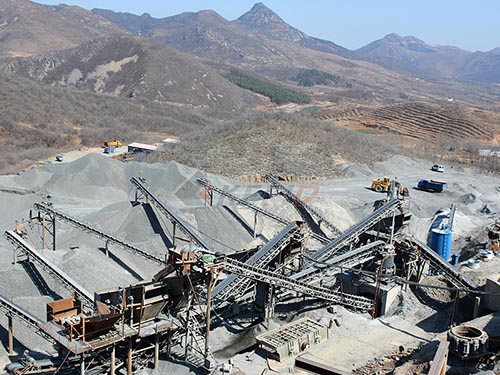
Solution:
Replacement with an impact crusher configured for high cubicity output as a tertiary unit after jaw crushing.
Results:
Energy consumption reduced by an estimated $15k annually due to more efficient direct drive system; improved particle shape increased chip product yield by approximately eight percent while decreasing overall fines generation.
7. COMMERCIAL CONSIDERATIONS
Our wholesale impact crushers are offered across three primary tiers:
1. Standard Duty Series: For consistent processing of nonabrasive materials like limestone. Base pricing reflects core reliability features including solid rotor construction and basic hydraulic adjustment.
2. HeavyDuty Series (Recommended for Recycled Aggregates): Includes enhanced wear protection packages, tramp iron relief systems as standard, and upgraded bearing assemblies for shock loads.
3. Modular/Portable Configuration (For Contractors): Crusher mounted on a heavyduty chassis with integrated feeder/discharge conveyors for rapid site deployment.
Optional Features Include:
Advanced automation packages with remote monitoring
Dust suppression system integration
Specialized alloy packages for blow bars/liners
Custom discharge hoods for specific conveyor layouts
We support commercial buyers through flexible financing structures including equipment leasing programs tailored for capital expenditure cycles common in aggregate production businesses.
8. FAQ
Q1. Is this type of impact crusher suitable as a direct replacement for my existing jaw or cone crusher?
It can be evaluated as such depending on your feed material’s abrasiveness index required final product specification A detailed analysis of your current circuit is recommended as jaw cone units often serve different purposes within the flow sheet
Q2. What is the expected operational cost per ton processed?
Operational cost is dominated by wear parts energy consumption Field data indicates total operating costs ranging between $0 $0 per ton processed depending primarily on material abrasiveness Proper selection of wear part metallurgy is critical
Q3. How does this equipment integrate with my existing plant PLC control system?
The crusher comes standard with an automationready interface providing standard IO signals amp draw vibration levels Integration protocols are documented allowing your controls engineer or our technical team facilitate connection
Q4. What are typical lead times after order placement?
Lead times vary based on model specification complexity Current standard lead times range from weeks following order confirmation subject foundry schedules component availability Expedited options may be available during procurement discussions
Q5. What does the warranty cover?
We provide month warranty covering defects materials workmanship major structural components like main frame rotor shaft Additional extended warranty service contracts are available covering scheduled preventive maintenance inspections