
White Label Stone Quarry Crushing Plant Affordable

1. PAINPOINT DRIVEN OPENING
Are you managing a stone quarry operation where unpredictable equipment performance directly impacts your bottom line? Common challenges include inconsistent final product gradation leading to rejected loads, excessive wear part costs from abrasive feed material, and unplanned downtime for maintenance that halts your entire production line. Each hour of stoppage represents significant lost revenue. Furthermore, inefficient power consumption per ton of processed aggregate erodes profit margins, while inflexible plant configurations struggle to adapt to changing market demands for different stone sizes. How can you achieve reliable, highvolume output with predictable operating costs and the flexibility to meet various product specifications? The solution lies in a precisely engineered primary crushing station.
2. PRODUCT OVERVIEW
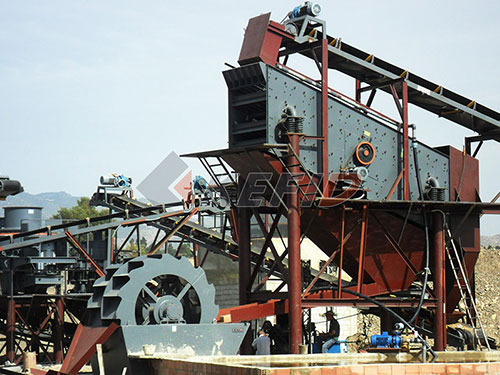
This white label primary crushing plant is a heavyduty, stationary solution designed for the initial reduction of blasted quarry rock (from 900mm down to 150250mm). It forms the critical first stage in any aggregate production circuit.
Operational Workflow:
1. Feed: Dump trucks or wheel loaders deposit shot rock into a vibratory grizzly feeder.
2. PreScreening: The grizzly section removes natural fines and subsize material, bypassing the crusher to increase efficiency and reduce wear.
3. Primary Crushing: Oversize material is conveyed into a robust jaw crusher for compressive reduction.
4. Primary Stockpile: Crushed material is discharged via a main conveyor to a surge pile for downstream processing.
Application Scope: Ideal for processing granite, basalt, limestone, and other abrasive aggregates. It is engineered for continuous, hightonnage operations in fixedlocation quarries.
Limitations: This is a primary stage unit; achieving specification aggregates requires secondary and tertiary crushing circuits. Feed size must comply with the crusher’s maximum accepted dimensions.
3. CORE FEATURES
Modular BoltTogether Structure | Technical Basis: Preengineered, heavy steel modules with machined connection points. | Operational Benefit: Reduces site installation time and civil work costs by up to 40% compared to weldedonsite designs. Enables future reconfiguration or relocation. | ROI Impact: Faster commissioning generates revenue sooner and lowers total project capital expenditure.
HeavyDuty Vibrating Grizzly Feeder (VGF) | Technical Basis: Robust eccentric shaft drive with adjustable throw. | Operational Benefit: Ensures consistent, controlled feed into the crusher cavity, eliminating bridging and optimizing crusher fill for maximum throughput. | ROI Impact: Prescreening of fines increases effective crusher capacity by 1015%, directly boosting tonsperhour output.
HighCapacity Jaw Crusher with Quarry Design | Technical Basis: Deep symmetrical crushing chamber, large feed opening, and optimized nip angle. | Operational Benefit: Provides high reduction ratio and minimizes slabby product. Generates a wellgraded, consistent output product ideal for secondary feed. | ROI Impact: Uniform product shape reduces wear on downstream conveyors and crushers, lowering overall operating costs.
Centralized Greasing & PLC Control Station | Technical Basis: Automated lubrication system with failsafes and programmable logic controller for motor management. | Operational Benefit: Ensures critical bearings receive proper lubrication on timed intervals, extending component life. Allows singlepoint monitoring of motor amps, temperatures, and feeder rate. | ROI Impact: Prevents catastrophic bearing failures, reducing unscheduled downtime. Allows operators to optimize power draw for energy savings.
Wear Part Accessibility & Standardization | Technical Basis: Crusher designed with rear hydraulic toggle tensioning and cheek plate wedges. | Operational Benefit: Enables faster jaw die replacement and liner changes without special tools. Uses commonly available, standardized wear parts. | ROI Impact: Reduces maintenance window duration by approximately 30%, increasing plant availability. Lowers longterm parts inventory costs.
4. COMPETITIVE ADVANTAGES
| Performance Metric | Industry Standard (Average) | White Label Primary Plant Solution | Advantage (% Improvement) |
| : | : | : | : |
| Availability (Uptime)| 9294% | 96%+ (with planned maintenance) | +3% (+200+ operational hours/year) |
| Tons per Hour per kW| 8 10 tph/kW (varies by rock)| 9 12 tph/kW (optimized flow)| +12% average improvement |
| Wear Life (Jaw Dies)| Manganese lasts 90120k tons (granite) | Premium Manganese lasts 110140k tons (granite)| +20% extended service life |
| Installation & Commissioning Time| 812 weeks (field welding) | 57 weeks (modular boltup) | ~40% reduction in time |
5. TECHNICAL SPECIFICATIONS
Capacity/Rating: Designed for throughputs from 400 to 1,200 metric tons per hour (MTPH), depending on feed material and product size setting.
Power Requirements: Total connected power typically ranges from 250 kW to 400 kW for crusher, feeder, and conveyor drives.
Material Specifications: Constructed from ASTM A36 steel; wear components use ASTM A128 Grade BHN manganese steel.
Crusher Feed Opening: Options from 1m x .8m up to .5m x .6m.
Physical Dimensions (Approx.): Length: ~18m; Width: ~4m; Height: ~6m (varies by model).
Environmental Operating Range: Designed for ambient temperatures from 20°C to +45°C. Dust suppression system connections are standard.
6. APPLICATION SCENARIOS
Granite Quarry Expansion
Challenge: An existing quarry needed to increase primary throughput by 35% without expanding its footprint or major civil works.
Solution: Implementation of our white label primary crushing plant with a larger jaw crusher model and highcapacity VGF within the modular design.
Results: Achieved the targeted throughput increase of 35%. Modular installation minimized disruption to existing operations during tiein.
Limestone Aggregate Producer
Challenge: High moisture content in feed material caused frequent clogging in the previous primary system’s prescreen section.
Solution Deployment of our white label plant featuring a steppeddeck grizzly section on the VGF combined with adjustable screen bar openings.
Results Material clogging incidents reduced by over 90%. Plant operates consistently regardless of seasonal moisture variations
7 COMMERCIAL CONSIDERATIONS
Pricing is structured into three core tiers based on capacity:
Tier : Base model up to MTPH includes standard jaw crusher VGF basic PLC controls
Tier Midrange model MTPH includes heavierduty structure premium jaw crusher automated greasing advanced PLC
Tier Highcapacity model + MTPH includes all Tier features plus integrated metal detection tramp iron relief system
Optional Features Upgraded dust suppression packages rock breaker boom system remote monitoring telemetry extended wear part warranties
Service Packages Choose from annual inspection plans comprehensive preventive maintenance contracts or payasyougo technical support
Financing Options Flexible commercial leasing structures operating lease agreements or tailored financing through our partner institutions are available
8 FAQ
What are my options if my feed rock is highly abrasive?
We recommend specifying our premium manganese steel option for all wear parts which field data shows improves service life by in highly abrasive applications like quartzite or trap rock
How does this plant integrate with my existing secondary circuit?
The plant is designed with standardized discharge height conveyor widths and electrical voltage requirements Integration points are clearly defined Our engineering team can review your layout specifics
What is the typical lead time from order to commissioning?
For standard models lead time is weeks depending on configuration Final site commissioning requires days with our supervision
Are spare parts readily available?
Yes A core inventory of wear parts mechanical spares is maintained globally We guarantee availability of critical spares within hours via our logistics network
What training is provided for our operations team?
We provide comprehensive onsite operational training covering startup/shutdown procedures daily checks basic troubleshooting safety protocols Documentation includes detailed manuals