
quá trình nghiền đá

The Stone Crushing Process: Từ mỏ đá đến tổng hợp xây dựng
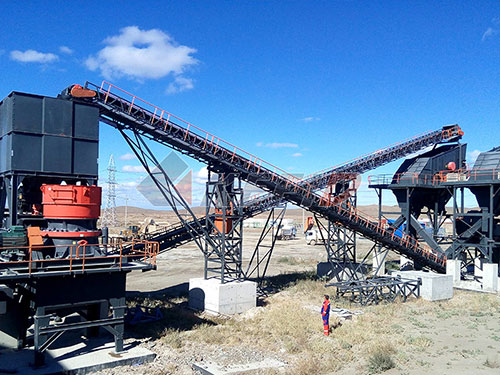
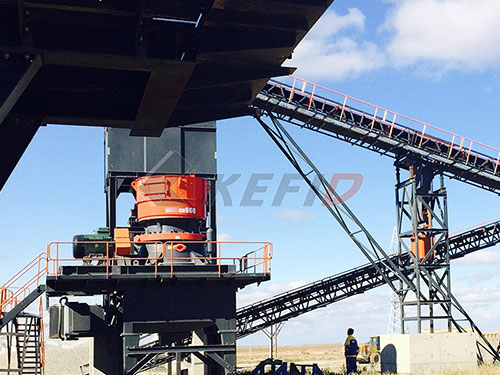
Stone crushing is a fundamental industrial activity, transforming large rocks extracted from quarries into specific sizes essential for countless construction and infrastructure projects. This multi-stage process involves specialized machinery and careful control to produce aggregates meeting precise specifications. Here’s a detailed look at the typical stages involved:
1. Nghiền sơ cấp (Giảm thô):
Khách quan: To break down the large blasted rock (hết của tôi) thành từng phần có thể quản lý được, typically reducing it from sizes often exceeding 1 meter down to roughly 100-250 mm.
Thiết bị: Jaw Crushers are the most common primary crushers. They utilize a fixed jaw plate and a moving jaw plate that creates a powerful compressive force, squeezing the rock until it breaks. Gyratory Crushers are also used, especially in high-capacity operations, employing a mantle gyrating within a concave bowl.
Quá trình: Large dump trucks feed the raw material directly into the primary crusher's feed hopper. The crusher exerts immense pressure, fracturing the rock along natural fissures.
2. Nghiền thứ cấp (Giảm trung gian):
Khách quan: To further reduce the size of the material coming from the primary crusher, typically down to a range of 20-100 mm. This stage also begins shaping the aggregate particles.
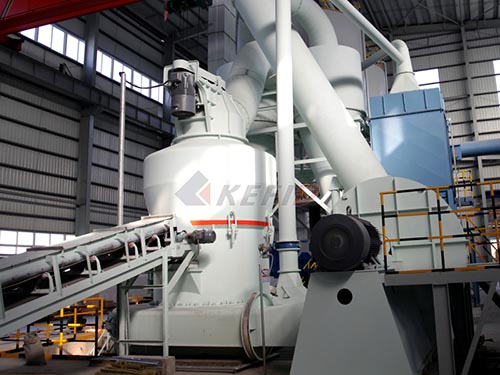
Thiết bị: Cone Crushers are predominant here. They operate similarly to gyratory crushers but on a smaller scale, using compression between a rotating mantle and a stationary concave liner. Impact Crushers are also frequently used; they utilize high-speed impact forces (either via hammers/blow bars on a rotor or by throwing rock against anvils) to break rock and produce more cubical-shaped particles.
Quá trình: The output from the primary crusher is conveyed (usually via belt conveyors) to the secondary crushing stage. Material enters the crusher chamber where it is subjected to compressive or impact forces.
3. Sàng lọc:
Khách quan: To separate the crushed material into distinct size fractions based on specific project requirements (ví dụ., cốt liệu thô cho bê tông, base course for roads). Oversized material is sent back for further crushing ("mạch kín"), trong khi vật liệu có kích thước chính xác di chuyển về phía trước.
Thiết bị: Vibrating Screens are standard equipment. They consist of one or more screen decks with specific-sized openings (meshes). Vibration causes smaller particles