
Máy nghiền hình nón mùa xuân

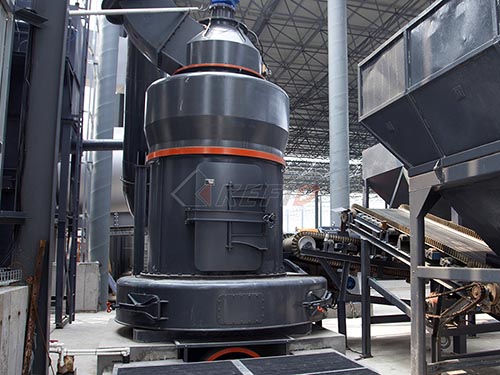
A Spring Cone Crusher is a type of secondary or tertiary crushing equipment widely used in mining, luyện kim, sự thi công, và sản xuất tổng hợp. It is designed to crush hard and medium-hard materials like iron ore, đá vôi, đá granit, đá bazan, and quartz.
Thành phần chính & Nguyên tắc làm việc
1. buồng nghiền: Consists of a fixed concave (outer liner) and a movable mantle (inner cone) that gyrates under eccentric motion.
2. Spring Safety System: A set of springs around the frame acts as an overload protection mechanism. If uncrushable material enters the chamber, the springs compress to widen the discharge opening and release the foreign object, ngăn ngừa thiệt hại.
3. Trục lệch tâm & Xoay: Driven by a motor via belts/pulleys, the eccentric shaft causes the mantle to oscillate, crushing material against the concave.
4. Discharge Adjustment: The gap between the mantle and concave can be adjusted to control output size (coarse to fine).
Thuận lợi
- Reliable Overload Protection: Springs absorb shock from tramp iron or hard materials.
- Hiệu suất nghiền cao: Suitable for medium/fine crushing with good particle shape.
- Simple Structure & Bảo trì thấp: Fewer hydraulic components compared to hydraulic cone crushers.
Hạn chế
- Less automated than hydraulic cone crushers (ví dụ., no real-time
justment).
- Lower capacity compared to modern hydraulic models for large-scale operations.
Ứng dụng
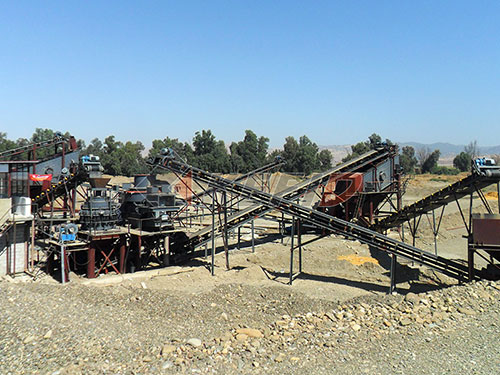
- Khai thác mỏ (quặng sắt, quặng đồng).
- khai thác đá (đá vôi, đá granit).
- Cốt liệu xây dựng đường.
Comparison with Hydraulic Cone Crusher
| Tính năng | Máy nghiền hình nón mùa xuân | Máy nghiền côn thủy lực |
|--|--|--|
| Bảo vệ quá tải | Mechanical springs | Hydraulic cylinders |
| Điều chỉnh | Thủ công | Automatic (thủy lực) |
| Trị giá | Thấp hơn | Cao hơn |
| Tự động hóa | Giới hạn | Trình độ cao (ví dụ., điều khiển PLC)|
For modern high-capacity or automated crushing plants, hydraulic cone crushers are often preferred. Tuy nhiên, spring cone crushers remain cost-effective for small-to-medium operations requiring robustness and simplicity.
Would you like details on specific models or maintenance tips?