
Tốc độ của máy nghiền hàm
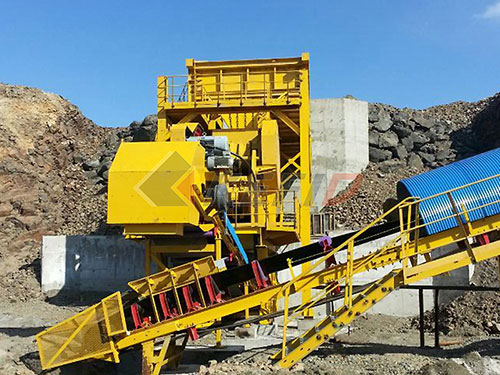

Mastering the Tempo: Understanding the Critical Role of Jaw Crusher Speed
Trong thế giới đòi hỏi khắt khe về sản xuất tổng hợp và chế biến khoáng sản, the jaw crusher stands as a fundamental workhorse. While factors like feed size, thiết kế buồng, and material hardness often dominate discussions, the operational speed of a jaw crusher – specifically its eccentric shaft revolutions per minute (vòng/phút) – plays an equally vital and nuanced role in determining efficiency, chất lượng sản phẩm, and equipment longevity.
Xác định "Tốc độ": The Heartbeat of Crushing
Tại cốt lõi của nó, the speed of a jaw crusher refers to the rotational velocity of its eccentric shaft. This shaft drives the movable jaw plate in an elliptical motion towards and away from the fixed jaw plate. Each revolution constitutes one crushing cycle:
1. Opening Stroke: The movable jaw moves away from the fixed jaw, creating space for new feed material to enter from above.
2. Closing Stroke: The movable jaw moves towards the fixed jaw, compressing and fracturing the trapped material against the fixed jaw.
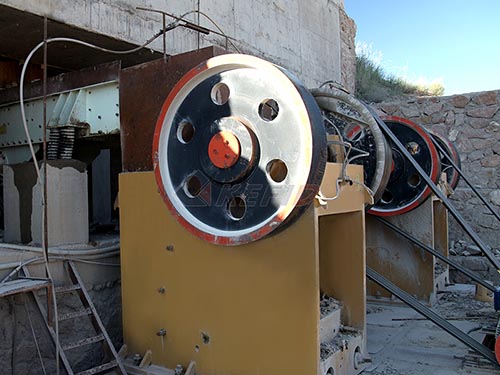
The number of times this cycle repeats per minute is the crusher's RPM.
The Impact of Speed: A Delicate Balance
Adjusting jaw crusher speed isn't simply about going faster for more output; it's about finding an optimal balance influenced by several key factors:
1. Công suất thông lượng: Generally speaking:
Higher RPM: Increases the number of crushing cycles per minute. This can lead to higher potential throughput if sufficient material is consistently fed into the chamber to utilize each cycle effectively.
Lower RPM: Reduces cycles per minute but allows more time for material to fall deeper into the crushing chamber during each opening stroke before being crushed again on the closing stroke.
2. Phân bổ kích thước sản phẩm & Hình dạng:
Higher RPM: Can result in finer product sizes due to more frequent impacts and less time for material to escape before being re-crushed ("over-reduction"). Tuy nhiên, it may also produce slightly more flaky particles if material isn't given enough time to orient optimally before fracture.
Lower RPM: Often produces a coarser product as larger particles have more opportunity to exit during each opening stroke after being reduced sufficiently ("free discharge"). It can also promote slightly better cubicity by allowing particles more time to settle before crushing.
3. Mặc cuộc sống & Chi phí vận hành: This is where speed becomes critical:
Higher RPM: Significantly increases wear on critical