
Dịch vụ thiết kế nhà sản xuất khai thác cát sỏi
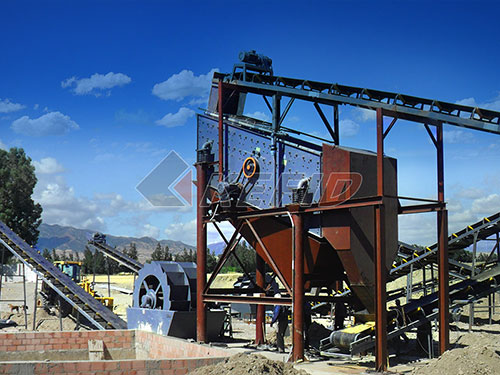

Tối ưu hóa cát & Sản xuất sỏi: Giải quyết các thách thức hoạt động cốt lõi
Bạn có đang quản lý nguyên liệu thức ăn không nhất quán làm gián đoạn hiệu suất của toàn bộ nhà máy rửa của bạn không?? Đấu tranh với chi phí cao và thời gian ngừng hoạt động liên quan đến việc thay thế bảng điều khiển màn hình thường xuyên? Lo ngại mất tiền phạt báo lãng phí, ảnh hưởng trực tiếp đến năng suất và lợi nhuận có thể phục hồi của bạn? Dành cho người quản lý nhà máy và nhà thầu kỹ thuật, đây không phải là những bất tiện nhỏ—chúng là rào cản đáng kể đối với độ tin cậy hoạt động và bảo vệ lợi nhuận. Làm thế nào để bạn đạt được sản phẩm có đặc điểm kỹ thuật nhất quán trong khi kiểm soát chi phí bảo trì và tối đa hóa việc thu hồi nguyên liệu từ mỗi tấn được xử lý? Giải pháp nằm ở giai đoạn phân tách quan trọng: hiệu suất cao bể phân loại cát.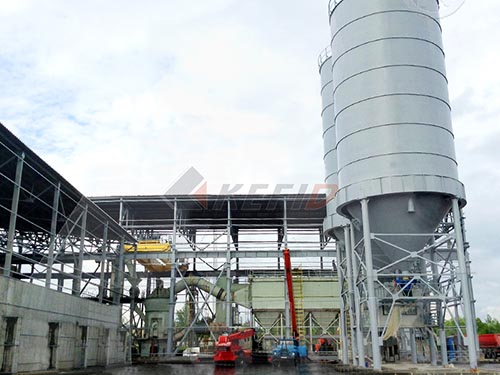
Tổng quan về sản phẩm: Phân loại thủy lực chính xác để xử lý tổng hợp
MỘT bể phân loại cát là một hệ thống phân loại thủy lực được thiết kế để tách các hạt cát theo kích thước và mật độ bằng cách sử dụng dòng nước chảy lên được kiểm soát. Nó là thành phần cốt lõi trong các nhà máy rửa và làm giàu cát, thay thế hoặc tăng cường các phương pháp kém hiệu quả hơn như lốc xoáy hoặc vòng đệm trục vít để tách vật liệu mịn.
Quy trình hoạt động:
1. Đầu vào bùn: Bùn nước cát từ lưới lọc hoặc máy thủy phân đi vào hộp cấp liệu.
2. Giải quyết có kiểm soát: Bùn chảy qua một loạt các buồng hoặc tế bào. Trong mỗi ô, dòng nước đi lên được kiểm soát chính xác tạo ra lực thủy lực "đu đưa" hoặc giường tầng sôi.
3. Phân tách dựa trên kích thước: Các hạt mịn hơn điểm cắt được dòng nước đưa lên trên và tràn ra đập dưới dạng sản phẩm. Nặng hơn, các hạt thô hơn lắng xuống dòng điện và được thải ra từ đáy mỗi tế bào.
4. Chuyển hướng sản phẩm: Các van trên mỗi lần xả cho phép trộn hoặc chuyển hướng các sản phẩm cát khác nhau (ví dụ., cát bê tông, cát xây) để tách kho dự trữ.
5. Quản lý nước: Nước tràn, chở bùn và đất sét, được gửi đến hệ thống xử lý nước để làm sạch và tái sử dụng.
Phạm vi ứng dụng & Hạn chế:
Phạm vi: Lý tưởng để rửa và định cỡ chính xác cát tự nhiên hoặc bột mịn được nghiền trong phạm vi xấp xỉ 150 lưới (100 micron) ĐẾN 3/16" (4.75mm). Cần thiết để sản xuất nhiều sản phẩm cát kiểm tra từ một nguồn nguyên liệu duy nhất.
Hạn chế: Không phải là thiết bị khử nước; sản phẩm yêu cầu khử nước thêm thông qua lốc xoáy, màn hình, hoặc màn hình khử nước. Yêu cầu cung cấp nước xử lý ổn định và không phù hợp để phân loại khô.
Tính năng cốt lõi: Được thiết kế để kiểm soát, Hiệu quả, và năng suất
Của chúng tôi bể phân loại cát thiết kế dựa trên nhiều thập kỷ kỹ thuật ứng dụng hiện trường. Mỗi tính năng giải quyết một điểm khó khăn cụ thể trong quá trình xử lý tổng hợp.
Hệ thống phân phối nước đa dạng | Cơ sở kỹ thuật: Thủy lực dòng chảy tầng | Lợi ích hoạt động: Cung cấp đồng phục, dòng điện đi lên không nhiễu loạn trên toàn bộ diện tích tế bào để phân tách kích thước chính xác. | Tác động ROI: Cải thiện tính nhất quán của sản phẩm lên đến 15%, giảm tải ngoại lệ và tối đa hóa năng suất sản phẩm cao cấp.
Lớp lót tế bào Polyurethane chống mài mòn | Cơ sở kỹ thuật: Hóa học đàn hồi chịu mài mòn | Lợi ích hoạt động: Tuổi thọ cao hơn lớp lót thép gấp 35 lần ở vùng quần áo cao cấp, loại bỏ việc sửa chữa hàn thường xuyên. | Tác động ROI: Giảm thời gian ngừng hoạt động thay thế lớp lót hơn 50% hàng năm và giảm chi phí tồn kho các bộ phận tiêu hao.
Van chuyển hướng dạng màng | Cơ sở kỹ thuật: Thiết kế van toàn cổng dẫn động bằng khí nén | Lợi ích hoạt động: Cung cấp đáng tin cậy, kiểm soát không tắc nghẽn việc xả cát ngay cả với mật độ cấp liệu thay đổi. Người vận hành có thể thay đổi cách pha trộn sản phẩm trong vài giây. | Tác động ROI: Tăng tính linh hoạt của nhà máy để đáp ứng nhu cầu đặt hàng thay đổi mà không cần dừng quy trình, tối ưu hóa cơ hội bán hàng.
Mật độ tích hợp & Cảm biến mức | Cơ sở kỹ thuật: Công nghệ cảm biến áp suất phi hạt nhân | Lợi ích hoạt động: Cung cấp dữ liệu thời gian thực về mức độ giường và mật độ trong mỗi ô để tự động hóa điều khiển quy trình. Người vận hành của bạn có thể duy trì các điều kiện bập bênh tối ưu một cách nhất quán.| Tác động ROI: Tự động hóa các điểm kiểm soát quan trọng, ổn định hiệu suất khi thay đổi ca và giảm gánh nặng cho người vận hành.
Thiết kế ô mô-đun | Cơ sở kỹ thuật: Kết cấu mặt cắt Bolt together| Lợi ích hoạt động: Đơn giản hóa việc vận chuyển, cài đặt, và sửa đổi nhà máy trong tương lai. Các tế bào riêng lẻ có thể được bảo dưỡng mà không cần tháo dỡ toàn bộ bể.| Tác động ROI: Giảm thời gian cài đặt lên tới 30% và giảm thiểu chi phí mở rộng trong tương lai thông qua khả năng bổ sung dễ dàng.
Lợi thế cạnh tranh: Hiệu suất theo hướng dữ liệu
| Chỉ số hiệu suất | Tiêu chuẩn ngành (Bể thông thường) | Giải pháp bể phân loại cát của chúng tôi | Lợi thế (% Sự cải tiến) |
| : | : | : | : |
| Tuổi thọ của bảng điều khiển màn hình trên màn hình khử nước | 46 Tuần (do phân loại thức ăn không nhất quán) | 812 Tuần (ổn định, nguồn cấp dữ liệu được phân loại tốt) | +100% Kéo dài cuộc sống |
| Tiền phạt mất ao lắng| 812% vật liệu trừ 200mesh | 35% vật liệu trừ 200mesh | Lên đến 60% Giảm tổn thất |
| Thời gian để điều chỉnh sự pha trộn sản phẩm| Điều chỉnh van bằng tay; 1520 phút| Điều khiển van tự động; <2 phút| ~90% Chuyển đổi nhanh hơn |
| Thời gian ngừng bảo trì lót hàng năm| 4060 giờ cắt/hàn thép| <10 giờ để kiểm tra/thay thế polyurethane| ~80% thời gian ngừng hoạt động ít hơn |
| Tiêu thụ nước mỗi tấn| Thay đổi đáng kể với điều khiển bằng tay| Tối ưu hóa & dòng chảy nhất quán thông qua điều khiển tự động| Lên đến 20% Sự giảm bớt |
Thông số kỹ thuật
Phạm vi công suất: Các mẫu có sẵn từ 50 TPH đến hơn 500 Công suất cấp cát TPH.
Yêu cầu về nguồn điện: Hệ thống hoạt động bằng không khí của nhà máy (80100 psi) cho van; bảng điều khiển tùy chọn yêu cầu dịch vụ tiêu chuẩn 480V/3Ph/60Hz.
Thông số vật liệu: Cấu trúc bể được chế tạo từ thép carbon ASTM A36 với lớp lót polyurethane chống mài mòn (Thép AR400 tùy chọn). Van có màng ngăn cao su tự nhiên với thân bằng gang.
Kích thước vật lý (Mẫu ví dụ SCT200): Chiều dài: 24 ft / Chiều rộng: 8 ft / Chiều cao:10 ft / Trọng lượng vận hành:12,000 pound.
Phạm vi hoạt động môi trường: Được thiết kế để lắp đặt ngoài trời; phạm vi nhiệt độ chất lỏng hoạt động là 35 ° F (37°C) đến +120°F (+49°C).
Kịch bản ứng dụng
Sản xuất cát bê tông từ nguồn cấp dữ liệu thay đổi
Thử thách: Sự biến đổi cặn lắng của một nhà sản xuất ở Trung Tây đã khiến cho các cơn lốc xoáy hiện tại của họ thường xuyên tạo ra mô đun độ mịn vượt tiêu chuẩn (FM) cát, dẫn đến tỷ lệ từ chối cao。
Giải pháp: Lắp đặt bể phân loại cát 4cell cấu hình riêng sau sàng lọc, với các điều khiển tự động gắn liền với màn hình cân liên tục。
Kết quả: Đạt được tính nhất quán FM trong phạm vi ±0。1 đặc điểm kỹ thuật, giảm sản phẩm offspec bằng cách 98%,và tăng sản lượng cát bê tông có thể bán được bằng 22% từ cùng một nguồn cấp dữ liệu thô。
Nâng cấp phục hồi Frac Sand Silica
Thử thách: Một hoạt động hiện có đang mất giá trị cao 70 lưới hạt silica bị lãng phí do phân loại không hiệu quả, tác động trực tiếp đến kinh tế dự trữ。
Giải pháp: Tích hợp một dãy bể phân loại cát vật liệu mịn được thiết kế để cắt sắc nét tại 100 lưới, thay thế các bộ phân loại xoắn ốc cũ hơn。
Kết quả: Dữ liệu hiện trường cho thấy khả năng thu hồi silica ở các phần kích thước mục tiêu được cải thiện từ 82% lên 94%,hoàn vốn đạt được trong vòng chưa đầy chín tháng nhờ tăng khối lượng sản phẩm。
Cân nhắc thương mại
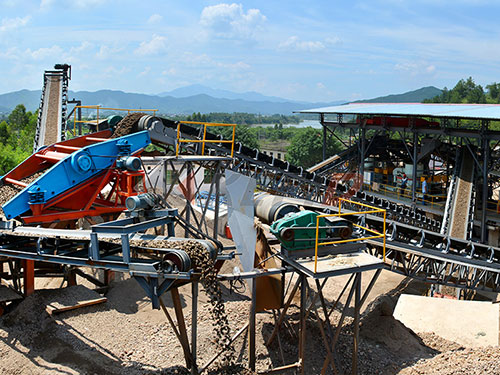
Bậc định giá thiết bị:
Mô hình cơ sở (Van thủ công, Điều khiển tiêu chuẩn): Để nâng cấp có ý thức về ngân sách。
Mẫu cao cấp (Van tự động, PLC với HMI): Đề xuất cho các nhà máy mới hoặc các dự án tự động hóa lớn。
Hệ thống được thiết kế tùy chỉnh: Đối với các ứng dụng phức tạp như cát frac hoặc cát công nghiệp。
Tính năng tùy chọn: Lớp lót bằng gạch men (cho độ mài mòn cực cao), máy giặt tràn với cổng phun chất keo tụ, gói trượt hoàn chỉnh。
Gói dịch vụ: Chọn từ các chương trình kiểm tra hàng năm, bộ dụng cụ thay thế lót,hoặc giám sát từ xa toàn diện & đăng ký chẩn đoán。
Tùy chọn tài chính: Cho thuê tài trợ thiết bị vốn có sẵn thông qua các đối tác, thường đưa ra các điều khoản linh hoạt từ 36 đến 60 tháng。 Cấu trúc Rentaltoown cũng có thể được sắp xếp cho công việc dựa trên dự án。
Câu hỏi thường gặp(FAQ)
1。 Thiết bị này có tương thích với máy giặt hiện tại của tôi không?
Đúng。 Bể phân loại cát được thiết kế theo dạng module。 Đội ngũ kỹ thuật của chúng tôi sẽ xem xét cách bố trí nhà máy của bạn,nguồn thức ăn,và các sản phẩm mong muốn để xác định điểm kết nối, yêu cầu về máy bơm,và hỗ trợ kết cấu。
2。 Thời gian cài đặt điển hình là gì?
Đối với hệ thống tiêu chuẩn, lắp đặt tại chỗ thường cần 57 ngày với nền móng đã chuẩn bị của bạn。 Hệ thống trượt có thể giảm đáng kể thời gian này。
3。 Điều này ảnh hưởng thế nào đến mức tiêu thụ nước tổng thể của tôi?
Điều chỉnh đúng cách,bể phân loại hiện đại giúp giảm lượng nước tiêu thụ trên mỗi tấn bằng cách tạo ra sự phân tách hiệu quả hơn。 Tuy nhiên nó đòi hỏi áp lực nước phù hợp;thiết kế của chúng tôi tối ưu hóa tốc độ dòng chảy, thường cho phép giảm kích thước hoặc tối ưu hóa máy bơm tuần hoàn nước。
4。 Yêu cầu kỹ năng chính của người vận hành là gì?
Hệ thống đơn giản hóa hoạt động thông qua tự động hóa。 Đào tạo cơ bản tập trung vào việc hiểu giao diện điều khiển và các điểm kiểm tra định kỳ thay vì điều chỉnh quy trình thủ công。
5。 Tuổi thọ dự kiến của cấu trúc chính là bao nhiêu?
Với việc bảo trì thích hợp,kết cấu thép carbon thường vượt quá 20 năm phục vụ. Các bộ phận hao mòn (lớp lót,màng ngăn) là vật dụng tiêu hao với khoảng thời gian thay thế có thể dự đoán được được ghi lại trong sổ tay。
6。 Bạn có thể cung cấp đảm bảo hiệu suất không?
Có. Chúng tôi cung cấp các bảo đảm bằng văn bản về năng lực thông lượng nguyên liệu và hiệu quả phân loại dựa trên phân tích mẫu thức ăn được cung cấp của bạn và các thông số kỹ thuật sản phẩm đã được thỏa thuận。
7。 Tính khả dụng của bộ phận hậu mãi trông như thế nào?
Chúng tôi dự trữ các bộ phận chịu mài mòn quan trọng(màng van,lớp lót polyurethane) trong các kho khu vực được đảm bảo vận chuyển trong 48 giờ đối với các đơn hàng khẩn cấp theo gói dịch vụ của chúng tôi