
Thiết kế máy nghiền con lăn
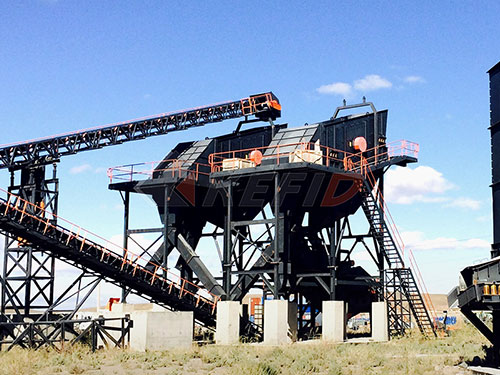

Thiết kế máy nghiền con lăn: Nguyên tắc, Linh kiện, and Optimization for Efficient Size Reduction
Roller crushers represent a fundamental category of comminution equipment widely employed in mining, chế biến khoáng sản, sản xuất xi măng, cốt liệu xây dựng, and various industrial sectors requiring intermediate size reduction of hard to medium-hard materials. Their design focuses on applying compressive force via rotating rolls to fracture feed material efficiently and reliably. Understanding the core principles and intricate design considerations is paramount for optimizing performance, tuổi thọ, và hiệu quả chi phí hoạt động.
Core Operating Principle
The fundamental action of a roller crusher is remarkably straightforward yet highly effective:
1. Giới thiệu nguồn cấp dữ liệu: Material enters the crushing chamber from above.
2. Nip Angle Formation: As material descends between two counter-rotating rolls (or sometimes a single roll against a fixed plate), it encounters a critical zone known as the "nip angle." This angle determines whether particles are drawn into the crushing gap.
3. Compressive Fracture: Material captured within the nip zone is subjected to intense compressive stress as it passes through the gap between the rolls.
4. Xả sản phẩm: Crushed material exits below the rolls at a reduced particle size determined primarily by the gap setting between them.
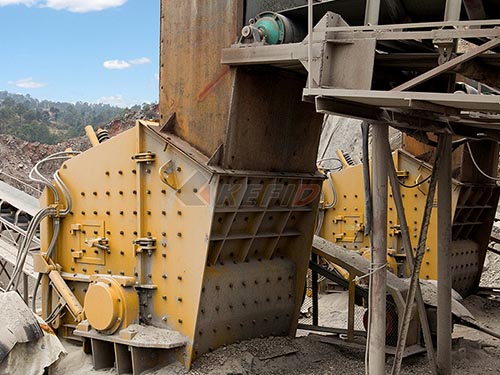
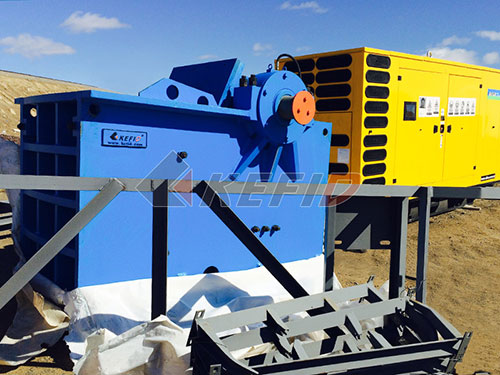
Design Components & Cân nhắc
A well-engineered roller crusher integrates several critical components:
1. Bánh cuốn:
Vật liệu & Sự thi công: The heart of the crusher. Rolls are typically fabricated from high-strength alloy steel forgings or castings with specialized surface treatments or hardfacing alloys (like chromium carbide overlays) applied to combat severe abrasive wear – the primary wear mechanism.
Hồ sơ bề mặt: Crucial for feed engagement and product size/shape:
Bánh cuộn mịn: Produce finer output with minimal fines generation; ideal for secondary crushing or producing granular products.
Cuộn sóng/có rãnh: Feature longitudinal ridges or grooves that enhance grip on feed material (especially sticky feeds), promote inter-particle crushing at coarser settings, and improve throughput capacity.
Bánh cuộn có răng: Employ intermeshing teeth designed primarily for primary crushing of softer materials like coal or friable minerals; provide high reduction ratios in a single pass but generate more fines.
Đường kính & Chiều rộng: Roll diameter dictates maximum feed size acceptance ("bite") – larger diameters allow larger feeds but increase machine footprint and cost. Roll width directly influences throughput capacity.
2. Roll Gap Adjustment Mechanism: