
Vận chuyển nhà máy thiết bị nghiền đá dằn


1. KHAI THÁC ĐIỀU KHIỂN PAINPOINT
Bạn đang quản lý hoạt động dằn mỏ đá nơi hình dạng sản phẩm không nhất quán, phạt quá mức, và bảo trì ngoài kế hoạch đang làm xói mòn lợi nhuận của bạn? Việc sản xuất ballast đường sắt có yêu cầu kỹ thuật cao đòi hỏi độ chính xác, yet many crushing plants struggle with these persistent challenges:
Chi phí hao mòn cao: Đá granit mài mòn, đá bazan, or gneiss rapidly degrades crusher liners and wear parts, leading to frequent stoppages and unpredictable consumables expenditure.
Poor Cubicity & Excessive Fines: Inefficient crushing action produces flaky or elongated aggregates and an oversupply of unsaleable fines (5mm), failing to meet stringent EN 13450 or AREMA gradation standards for angularity and durability.
Điểm nghẽn công suất & Sự kém hiệu quả: An illmatched primarytosecondary crushing circuit creates choke points, limiting total plant throughput and leaving potential revenue untapped.
Độ phức tạp vận hành cao: Equipment requiring constant adjustment and monitoring increases the skill burden on your team and raises the risk of offspec production runs.
What if your ballast crushing line could deliver consistent, inspec product with lower cost per tonne, extended maintenance intervals, và điều khiển đơn giản? Giải pháp nằm ở việc lựa chọn thiết bị nghiền dằn mỏ đá được thiết kế theo mục đích.
2. TỔNG QUAN SẢN PHẨM
Our quarry ballast crushing equipment comprises heavyduty, stationary or semimobile crushing plants engineered specifically for highvolume production of railway ballast. The operational workflow is optimized for shape and yield:
1. Giảm sơ cấp: Dumpfed material is initially reduced by a robust jaw crusher or gyratory crusher to a manageable size (tiêu biểu <250mm).
2. Secondary Shape Crushing: The core of ballast production. Prescreened feed is directed to a cone crusher configured for aggressive interparticle comminution in a crowded chamber.
3. Định cỡ cuối cùng & Sàng lọc: Crushed aggregate is precisely screened on heavyduty vibrating screens. Vật liệu đặc biệt (ví dụ., 31.563mm) is conveyed to stockpile; ngoại cỡ được tái tuần hoàn; undersize is diverted for byproduct sales or waste.
Phạm vi ứng dụng: Lý tưởng cho đá cứng (UCS >150 MPa) quarries supplying national rail networks, private industrial sidings, and construction projects requiring premium aggregate. This equipment is designed for continuous, khai thác trọng tải lớn.
Hạn chế: Not suitable for soft or highly abrasive sedimentary rock without specific liner material review. Maximum feed size and ultimate capacity are determined by model selection.
3. TÍNH NĂNG CỐT LÕI
Điều chỉnh CSS Hydroset | Cơ sở kỹ thuật: Hydraulic cavity clearing and closedside setting control | Lợi ích hoạt động: Operators can adjust product gradation or clear blockages in under 60 seconds from a central location, minimizing downtime during changeovers or unexpected events. | Tác động ROI: Giảm thời gian không nghiền tới 70% compared to manual adjustment systems, trực tiếp tăng sản lượng hàng năm.
Hệ thống tối ưu hóa tuổi thọ lót | Cơ sở kỹ thuật: Automated wear compensation via constant hydraulic pressure on the crushing mantle | Lợi ích hoạt động: Maintains consistent product gradation as liners wear without manual intervention, ensuring continuous spec compliance over longer campaigns. | Tác động ROI: Extracts maximum usable life from wear parts and reduces the frequency of liner changes, lowering both part costs and labor hours.
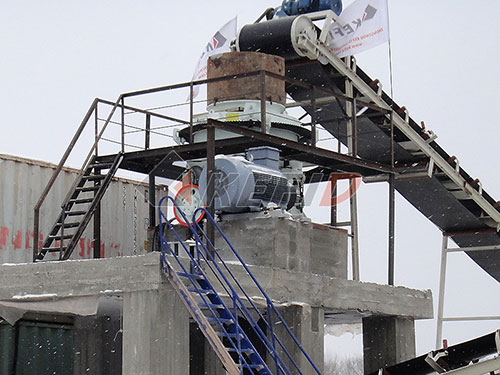
Buồng nghiền nhiều lớp | Cơ sở kỹ thuật: Engineered cavity profiles that promote interparticle crushing within a packed bed of material | Lợi ích hoạt động: Forces rockonrock breakage in the secondary/tertiary stage, producing superior particle cubicity while reducing direct metalonrock wear and fines generation. | Tác động ROI: Tăng sản lượng dằn có thể bán được bằng 815% per tonne of feed rock while decreasing liner abrasion costs.
HeavyDuty Vibrating Screen Integration | Cơ sở kỹ thuật: HighG force screening decks with precisely sized apertures mounted on reinforced frames | Lợi ích hoạt động: Provides accurate final separation even under wet or sticky conditions, ensuring final product is free of undersized material as per rail authority specifications. | Tác động ROI: Eliminates costly reprocessing of contaminated stockpiles and prevents rejection of loads at the point of delivery.
Tự động hóa PLC tập trung | Cơ sở kỹ thuật: Programmable Logic Controller managing crusher load, tỷ lệ thức ăn, and interlocks with plant conveyors | Lợi ích hoạt động: Allows a single operator to monitor and optimize the entire circuit from a control room, regulating power draw for peak efficiency. | Tác động ROI: Lowers personnel requirements per shift and reduces energy consumption per tonne by optimizing motor load.
4. LỢI THẾ CẠNH TRANH
| Chỉ số hiệu suất | Tiêu chuẩn ngành | Giải pháp nghiền đá dằn mỏ đá của chúng tôi | Lợi thế (% Sự cải tiến) |
| : | : | : | : |
| cuộc sống lót (đá mài mòn)| 450550 kTonnes| 600750 kTonnes| +25% ĐẾN +35% |
| Saleable Yield (>95% Tính lập phương)| ~82% of feed| 8892% thức ăn| +7% ĐẾN +12% |
| Tiêu thụ năng lượng cụ thể| ~0.85 kWh/Tonne| ~0.72 kWh/Tonne| 15% |
| Average Unplanned Stoppages| 1218 giờ/tháng| <6 giờ/tháng| 60% |
| Tính nhất quán của cấp độ (Nhà phát triển tiêu chuẩn)| High variability within spec band| Tight control within spec band (field data shows ±3mm)| Improved process stability |
5. THÔNG SỐ KỸ THUẬT
Phạm vi công suất: Có thể cấu hình từ 200 đến hơn 1,200 tấn mỗi giờ (tph) of finished ballast product.
Yêu cầu về nguồn điện: Primary circuit from 90 kW; Secondary/Tertiary cone crushers from 160 kW lên đến 500 kW tùy thuộc vào kích thước mô hình.
Thông số vật liệu: Engineered for maximum feed size up to 800mm; produces standard railway ballast fractions (ví dụ., 31.5/50mm, 40/70mm). Crusher mantles/bowls available in Manganese steel grades or optional premium alloys for extended life.
Kích thước vật lý (Trạm phụ điển hình): Xấp xỉ. Chiều dài: 10m x Chiều rộng: 5m x Chiều cao: 5tôi (excludes feed hopper/discharge conveyors).
Phạm vi hoạt động môi trường: Designed for ambient temperatures from 20°C to +45°C with optional heating/cooling systems for lubrication units.
6. KỊCH BẢN ỨNG DỤNG
National Rail Infrastructure Project | Thử thách: A contractor required guaranteed daily tonnage of EN13450 Type A ballast under a fixedprice contract with severe penalties for delay. Their existing plant produced excessive fines (~22%) causing yield shortfalls.| Giải pháp: Implementation of a tailored quarry ballast crushing circuit featuring our multilayer cone crusher technology paired with precise screening.| Kết quả: Achieved consistent yield of saleable ballast at >90%, with fines generation reduced to below 14%. The project met all delivery schedules without penalty.
Mở rộng mỏ đá granite | Thử thách: A quarry operator needed to double ballast output without expanding their primary footprint or significantly increasing shift labor costs.| Giải pháp: Installation of a highcapacity secondary/tertiary modular crushing station designed for direct conveyor integration with their existing primary crusher.| Kết quả: Sản lượng của nhà máy tăng thêm 115%. The automated system allowed operation with one additional operator per shift instead of two, improving output per labor hour by over 90%.
7. CÂN NHẮC THƯƠNG MẠI
Our quarry ballast crushing equipment is offered in three primary tiers:
1. Cấu hình nhiệm vụ tiêu chuẩn: For operations <400 tph with robust base specifications.
2. Cấu hình công suất cao: For outputs >600 tph featuring heavyduty components and advanced automation.
3. Modular/SkidMounted Configuration: For operations requiring future relocation or phased capital expenditure.
Optional features include dust suppression systems automated grease lubrication systems remote monitoring telematics packages
We offer comprehensive service packages including scheduled maintenance programs parts supply agreements
Financing options include capital purchase leasetoown agreements
8.Câu hỏi thường gặp
Q1 Is your equipment compatible with our existing primary jaw crusher
Yes our secondary stations are designed as standalone modules They can be integrated via conveyor systems
Q2 What impact will this have on our overall plant power consumption
Field data shows that due to optimized load management total specific energy consumption often decreases despite increased throughput
Q3 How long does commissioning typically take
For a complete turnkey station expect four weeks For modular integration into an existing line typical commissioning takes ten working days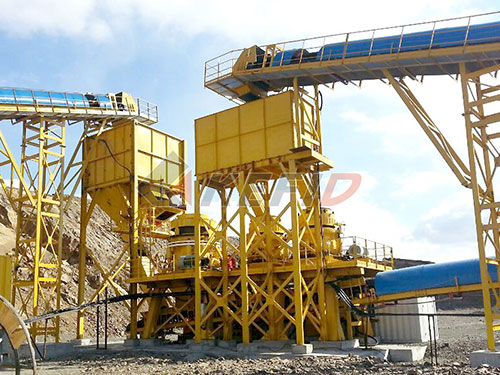
Q4 What are the commercial terms
We require an order deposit upon contract signing Balance payment follows agreed milestones such as factory acceptance shipping confirmation
Q5 Do you provide operational training
Yes we include comprehensive training at your site during commissioning covering operation routine maintenance troubleshooting