
Công ty Thương mại Khai thác Đá vôi Cao cấp


1. KHAI THÁC ĐIỀU KHIỂN PAINPOINT
Are escalating operational costs and unpredictable downtime eroding your limestone quarry’s profitability? Plant managers and engineering contractors consistently face critical challenges in material handling that directly impact the bottom line. Chúng bao gồm:
Chi phí bảo trì cao: Thường xuyên, unplanned stoppages for conveyor belt repairs, thay thế con lăn, and structural wear from heavy, abrasive limestone loads.
Excessive Spillage & Tạo bụi: Material spillage along the transfer path creates cleanup costs, mối nguy hiểm an toàn (slippery walkways), and uncontrolled dust emissions leading to regulatory noncompliance.
Dòng chảy không hiệu quả & Tắc nghẽn: Poorly engineered transfer points cause material buildup, cắm, and irregular flow, forcing operators to conduct hazardous manual interventions and reducing system throughput.
Lỗi thành phần sớm: Tiêu chuẩn hóa, offtheshelf conveyor components not designed for the specific impact and abrasion of limestone suffer rapid degradation.
What if your bulk handling system could be engineered to mitigate these specific issues? A solution exists that addresses the root cause of these inefficiencies at the critical juncture where material flow is most vulnerable: the conveyor transfer point.
2. TỔNG QUAN SẢN PHẨM
The HeavyDuty Limestone Conveyor Transfer Point System is a customengineered assembly designed to manage the controlled discharge, direction, and containment of bulk limestone between conveyor belts or from feeding equipment onto a belt. Its purpose is to optimize material trajectory, absorb impact energy, and seal the transfer zone to maximize efficiency and minimize operational costs.
Quy trình hoạt động:
1. Controlled Impact: Limestone discharged from the head pulley is received by an impact bed or cradle, dissipating kinetic energy at the point of highest force.
2. Sealed Containment: Skirting systems with advanced sealing technology contain material within the load zone along the entire transfer length.
3. Guided Trajectory: Customdesigned chutework with wearresistant liners directs material flow centrally onto the receiving belt at an optimal angle and velocity.
4. Quản lý bụi: Integrated dust curtains or vacuum ports work in tandem with sealing systems to suppress particulate matter at its source.
Phạm vi ứng dụng & Hạn chế:
This system is engineered for hightonnage limestone processing applications in primary crushing circuits, secondary/tertiary feed points, and loadout stations. It is designed for belt widths from 36" ĐẾN 96" and lump sizes consistent with standard quarry product ranges. Optimal performance requires integration during initial conveyor design or as part of a comprehensive system retrofit; it is not a universal bolton kit for all existing structures without professional assessment.
3. TÍNH NĂNG CỐT LÕI
Impact Absorption Bed | Cơ sở kỹ thuật: Modular rubberceramic composite blocks mounted on a steel frame | Lợi ích hoạt động: Dissipates vertical impact force from falling limestone (up to 12foot drops), protecting the belt carcass and idlers from damage | Tác động ROI: Reduces belt replacement frequency by up to 30% and eliminates idler damage at load points.
MultiStage Skirting System | Cơ sở kỹ thuật: Primary wear strip of UHMWPE backed by a secondary pneumatic rubber seal | Lợi ích hoạt động: Creates a dynamic seal that adjusts to belt cupping and splice variations, containing fine material throughout the load zone | Tác động ROI: Cuts spillage cleanup labor by an estimated 70% and reduces airborne dust levels for compliance.
Engineered Flow Chute Liners | Cơ sở kỹ thuật: Removable AR400 or ceramiclined steel plates configured for specific material flow angles | Lợi ích hoạt động: Minimizes adhesion (buildup) and directs a centered load onto the receiving belt, preventing mistracking and wear | Tác động ROI: Increases effective belt life by promoting even wear distribution; reduces chute maintenance downtime.
External Wear Indicator System | Cơ sở kỹ thuật: Sensor ports or visual wear gauges integrated into liner design | Lợi ích hoạt động: Allows maintenance teams to monitor critical wear points without disassembly during scheduled stops | Tác động ROI: Transforms liner replacement from an unplanned emergency task into a planned activity, improving maintenance scheduling.
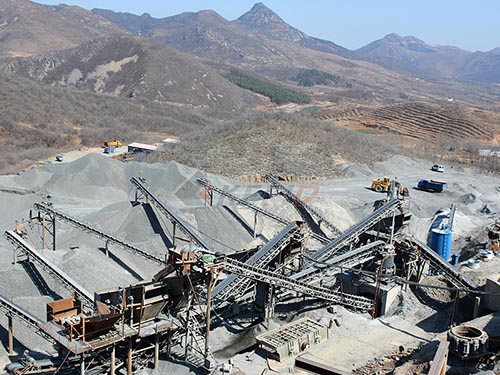
Thiết kế khung mô-đun | Cơ sở kỹ thuật: Bolttogether sections fabricated from heavyduty structural steel | Lợi ích hoạt động: Simplifies installation in confined spaces during retrofits and allows for targeted replacement of worn sections | Tác động ROI: Giảm thời gian cài đặt lên tới 50% compared to weldedinplace units, giảm thiểu gián đoạn sản xuất.
4. LỢI THẾ CẠNH TRANH
| Chỉ số hiệu suất | Giải pháp tiêu chuẩn ngành | HeavyDuty Limestone Transfer Point Solution | Lợi thế (% Sự cải tiến) |
| : | : | : | : |
| Load Zone Spillage (tons/yr) | 50100 tấn (ước lượng) per transfer point | < 5 tons per transfer point (contained) | 90%+ Sự giảm bớt |
| Belt Cover Wear at Impact Point| Severe gouging; replacement in 612 tháng| Minimal abrasion; typical belt life extended >24 tháng| 100300% Life Increase |
| Skirting Seal Maintenance Interval| Adjustment/replacement every 24 tuần| Seal inspection/replacement every 612 tháng| 600%+ Tuổi thọ dài hơn |
| Dust Emissions at Transfer Point| Visible plume requiring suppression sprays| Effectively contained at source; phát xạ nhìn thấy tối thiểu| Meets MSHA/OSHA PEL standards consistently |
5. THÔNG SỐ KỸ THUẬT
Đánh giá năng lực: Engineered for standard limestone densities (~2650 kg/m³). Configurable for throughputs from 500 ĐẾN 5,000 TPH.
Yêu cầu về nguồn điện: Passive system (no direct power draw). Compatible with auxiliary systems like dust collectors or vibrators.
Thông số vật liệu: Cấu trúc sơ cấp: Thép ASTM A36. Wear liners available in AR400 Steel (Brinell 400), CeramicFusedtoSteel (Alumina Oxide), or UHMWPE based on abrasion/impact analysis.
Kích thước vật lý: Fully customizable. Typical modular sections are supplied in lengths up to 10ft for ease of handling.
Phạm vi hoạt động môi trường: Components rated for operation in temperatures from 20°C to +60°C (4°F to +140°F). Sealing systems remain effective in highhumidity conditions common in limestone processing.
6. KỊCH BẢN ỨNG DỤNG
Primary Crusher Discharge Feed Conveyor
Thử thách: A large quarry faced severe daily spillage and rapid belt wear where primarycrushed (8") limestone discharged onto the main plant feed conveyor at high velocity.
Giải pháp: Installation of a customengineered transfer point featuring an extended impact bed with ceramic liners followed by a threestage skirting system across a 20foot load zone.
Kết quả: Spillage cleanup was reduced from three daily labor hours to less than one hour per week. Belt inspections showed no measurable cover wear after eight months of operation versus previous severe wear noted quarterly.
LoadOut Station Retrofit
Thử thách: A cement plant’s existing clinker/limestone blend loading station generated excessive dust emissions during train loading operations due to poor chute design causing turbulence.
Giải pháp: Retrofit with an engineered flow chute incorporating internal rockbox design for energy dissipation combined with duallayer skirtboard seals connected directly to their baghouse extraction system.
Results Measurable particulate emissions were reduced below permit levels without increasing fan load on the dust collector due to improved source capture efficiency.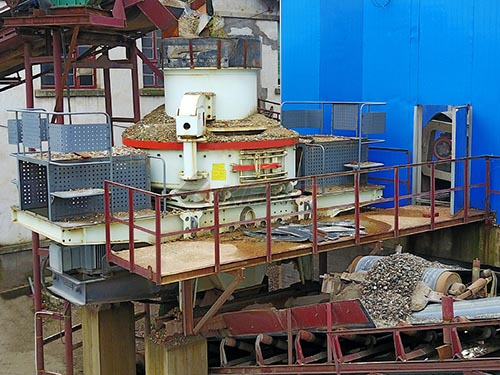
7. CÂN NHẮC THƯƠNG MẠI
Equipment pricing is projectspecific based on detailed application engineering but typically falls into three tiers:
1. Standard Component Retrofit Kit: Includes skirting systems & impact cradles sized for existing structures ($15K $50K).
2. Full Custom Transfer Point Assembly: Complete engineered chute structure with liners & niêm phong ($75K $250K).
3. Turnkey System Integration Package: Includes engineering survey, giám sát lắp đặt & vận hành thử (+2030% of assembly cost).
Optional features include acoustic liners for noise reduction above OSHA action levels; automated skirt tensioning systems; integrated belt scrapers; RFIDenabled liner wear monitoring packages; full structural enclosures
Service packages range from annual inspection audits through multiyear performance guarantee contracts covering all wearable components
Financing options include capital lease agreements that preserve credit lines as well as payforperformance leasing structures tied directly to documented savings in spillage cleanup costs
Câu hỏi thường gặp
Q1 Is this system compatible with our existing conveyors?
A1 Yes but requires professional evaluation Our engineering team conducts site surveys measuring structural clearances head pulley geometry & belt speeds ensuring retrofit designs integrate precisely without major structural modifications
Q2 What is typical installation downtime?
A2 For a full retrofit field data shows typical installation requires a scheduled production stop of two days This includes removal of old components fitting new modules & final alignment Prefabricated modular construction minimizes onsite work duration
Q3 How do you validate performance claims?
A3 We provide documented case studies from similar operations Industrystandard testing includes before/after spillage measurements dust monitoring data & comparative belt wear analysis using calibrated cover thickness gauges
Q4 What are lead times?
A4 Lead times vary based on complexity For standard designs lead time averages eight weeks following final design approval Customengineered solutions require ten weeks allowing time for detailed finite element analysis FEA modeling when required
Q5 Are wearable components readily available?
A5 Yes All highwear liners skirting strips & seals are standardized stocked items ensuring availability Expedited shipping options are available globally minimizing potential downtime due parts procurement