
Tùy chỉnh nhà máy nghiền đá chất lượng cao


Ngoài kế hoạch chi tiết: The Strategic Imperative of Customized Stone Quarry Crushing Plants
Trong thế giới đòi hỏi khắt khe của sản xuất tổng hợp, the quest for efficiency, lợi nhuận, and long-term sustainability hinges on one critical factor: optimizing the transformation of raw blasted rock into precisely graded, cốt liệu chất lượng cao. While off-the-shelf crushing plants offer a seemingly convenient solution, they represent a fundamental compromise. Truly maximizing a quarry's potential demands a different approach – Customization. A meticulously engineered High-Quality Stone Quarry Crushing Plant tailored to the unique DNA of your operation is not merely an equipment purchase; it's a strategic investment in competitive advantage.
The Inherent Limitations of "One-Size-Fits-All"
Standard crushing plants are designed around hypothetical averages – average rock hardness (often based on granite), average feed size distribution, average moisture content, and average target products. Tuy nhiên, quarries are defined by their uniqueness:
1. Geology is King: The mineral composition (đá granit, đá bazan, đá vôi, đá sa thạch), cường độ nén (ranging from relatively soft limestone to extremely hard trap rock), sự mài mòn (quartz content), moisture levels (impacting stickiness and flow), and natural fracture characteristics vary dramatically between sites and even within different benches of the same quarry.
2. Feed Material Dynamics: The size distribution delivered by blasting practices significantly impacts primary crusher selection and performance. Oversized boulders demand different capabilities than consistently fragmented feed.
3. Precision Product Spectrum: Market demands dictate specific product gradations – from coarse rip-rap and railway ballast to finely crushed sand for concrete or asphalt. A plant optimized for producing large road base is inefficient at making manufactured sand.
4. Site-Specific Constraints: Available footprint dimensions, topography (slope considerations), proximity to sensitive areas (noise/dust restrictions), existing infrastructure layout (haul roads, power supply points), and future expansion plans all impose physical constraints.
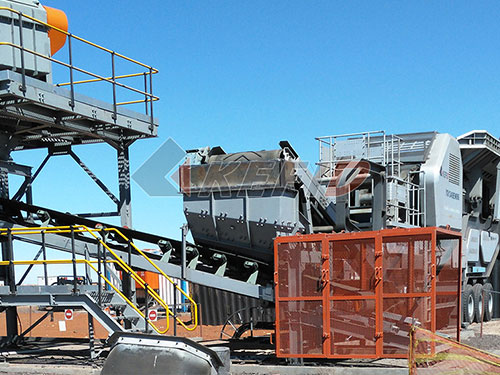
5. Production Imperatives: Required hourly/annual tonnage targets directly influence plant scale and configuration complexity.
Attempting to force-fit generic equipment into this complex matrix inevitably leads to:
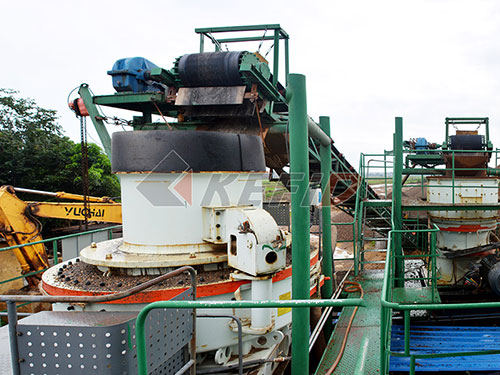
Suboptimal Throughput: Underutilization or bottlenecks where components are mismatched.
Mặc sớm & Chi phí vận hành cao: Crushers liners wearing excessively fast due to incorrect chamber design or speed for the material; screens blinding because deck configurations aren't ideal; conveyors undersized causing spillage or overloading motors.
Compromised