
Máy nghiền đúc kim loại nặng
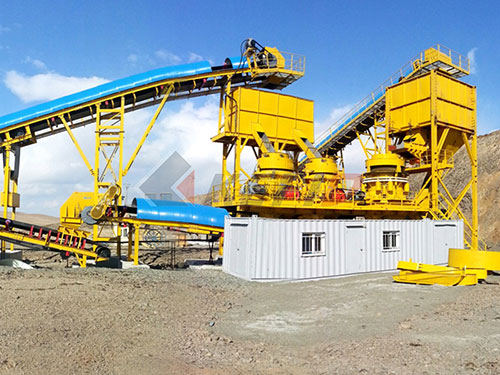

Xương sống vô hình: Heavy Metal Casting Crushers Powering Industry
Trong thế giới chế biến khoáng sản không ngừng nghỉ, khai thác mỏ, khai thác đá, và tái chế, where mountains of rock and streams of scrap metal meet their match, stands an unsung hero forged in fire and iron: the Heavy Metal Casting Crusher. These are not merely machines; they are titans built upon the foundation of meticulously engineered castings – components born from molten metal poured into intricate molds to withstand forces that would shatter lesser materials.
Khái niệm cốt lõi: Strength Forged in Molten Metal
Tại trung tâm của nó, a heavy metal casting crusher relies on critical wear parts manufactured through metal casting processes. This primarily involves:
1. Manganese Steel Castings: The undisputed champion for crushing applications. Thép mangan Austenit (tiêu biểu 11-14% Mn) possesses an extraordinary property: it work-hardens under impact. As the crushing surfaces are pounded by rock or metal feed stock, the surface layer becomes progressively harder and more wear-resistant while retaining a tough core to absorb shock and prevent catastrophic fracture.
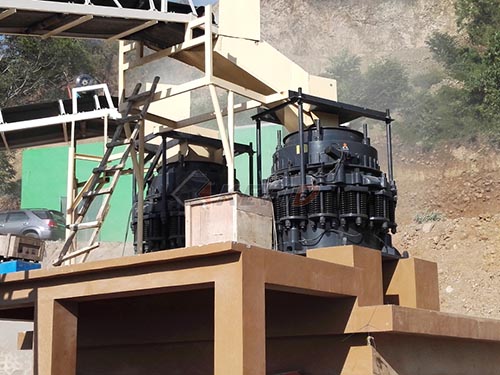
2. Sắt Chrome / White Iron Castings: For applications demanding extreme abrasion resistance against less impact-intensive materials (like certain ores or aggregates), high-chromium white iron castings are often employed in liners or blow bars. These alloys form hard chromium carbides within their structure, providing exceptional resistance to gouging and grinding wear.
3. Other Alloys: Depending on specific needs (corrosion resistance combined with wear, specific impact profiles), modified manganese steels or nickel-chromium alloys might also be utilized.
Why Castings? The Irreplaceable Advantage
The choice of casting as the manufacturing method for these critical components is deliberate and crucial:
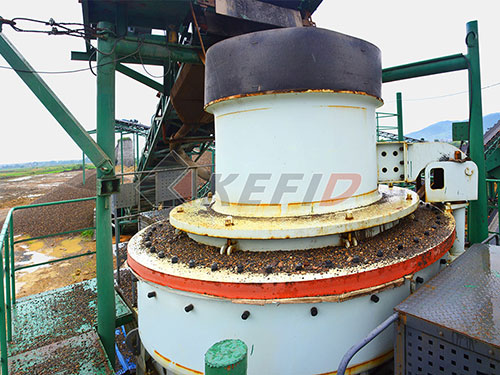
Complex Geometry: Tấm hàm, cone mantles and concaves, blow bars – these parts feature complex curves and profiles essential for efficient crushing action and optimal material flow. Casting allows these intricate shapes to be produced economically as single pieces.
Mass Production Consistency: Once a robust pattern is created, identical castings can be produced repeatedly with high dimensional accuracy essential for crusher assembly and performance.
Tính toàn vẹn của vật liệu: Properly executed casting techniques allow for controlled solidification to minimize internal defects (like porosity or shrinkage cavities), ensuring structural integrity under massive cyclic loading.
Hiệu quả chi phí: For large, complex wear parts subjected to extreme abrasion requiring frequent replacement (the consumables of crushing), casting often offers the