
Máy nghiền đá cứng
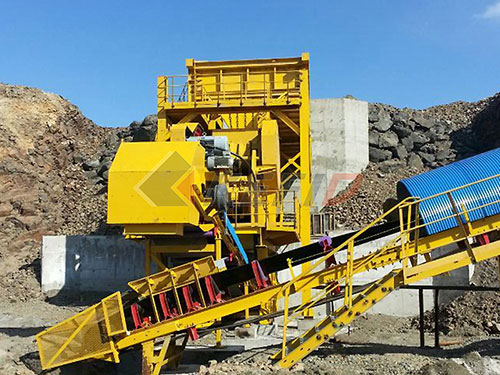

Sức mạnh bất khuất: Inside the World of Hard Rock Crushers
The earth groans under immense pressure. Deep within quarries and mines lie formations of granite, đá bazan, quartzite – materials forged by time and heat into some of the planet's most formidable substances. Extracting their value requires equally formidable machinery: the Hard Rock Crusher. Không chỉ là vũ lực, these machines represent sophisticated engineering designed to conquer nature's toughest challenges.
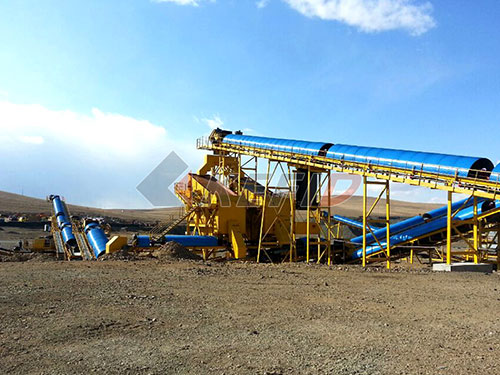
Ngoài những tảng đá vỡ: Sứ mệnh cốt lõi
A hard rock crusher isn't merely about pulverization; it's about controlled fragmentation and liberation. Its primary mission is to reduce massive boulders – often blasted from bedrock – into specific sizes suitable for further processing or direct use as construction aggregate (like gravel or crushed stone). This process is fundamental to building roads, cầu, các tòa nhà, đường sắt, and countless infrastructure projects worldwide.
Confronting the Challenge: Why Hard Rock Demands Specialized Machinery
Hard rocks possess inherent properties that make them incredibly difficult to break:
1. Cường độ nén cao: They resist crushing forces exceptionally well.
2. Độ mài mòn: Minerals like quartz rapidly wear down conventional materials.
3. Toughness: They absorb significant impact energy before fracturing.
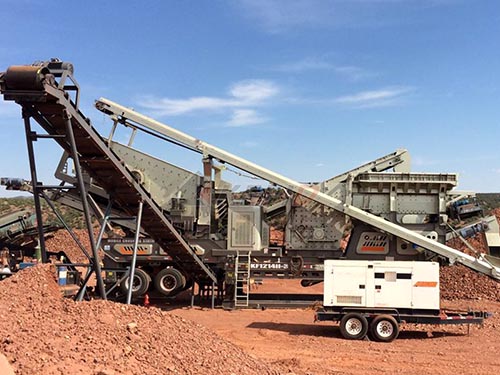
4. Tỉ trọng: Their mass requires powerful machinery to move and process.
Standard crushers designed for softer materials would quickly succumb to wear or mechanical failure when faced with granite or basalt.
Engineering Resilience: Nguyên tắc thiết kế
To meet this challenge head-on, hard rock crushers incorporate specialized features:
Xây dựng mạnh mẽ: Heavy-duty frames fabricated from high-strength steel provide the necessary structural integrity to withstand immense crushing forces and vibrations.
Bảo vệ chống mài mòn nâng cao: Các bộ phận hao mòn quan trọng (áo choàng, concaves in cone crushers; jaws in jaw crushers; blow bars and aprons in impactors) are made from ultra-wear-resistant alloys like manganese steel or specialized ceramics/composites designed specifically for abrasion resistance.
Powerful Drives: High-torque electric motors or diesel engines deliver the substantial power required to initiate fracture in dense rock.
Precision Crushing Chambers: Chamber geometry is meticulously designed to optimize particle reduction while minimizing unnecessary recirculation and wear.
Efficient Crushing Mechanisms: Different types employ distinct methods:
máy nghiền hàm: Utilize compressive force between a fixed and a moving jaw plate – ideal for primary reduction of large boulders.
C