
Máy nghiền đá quy trình
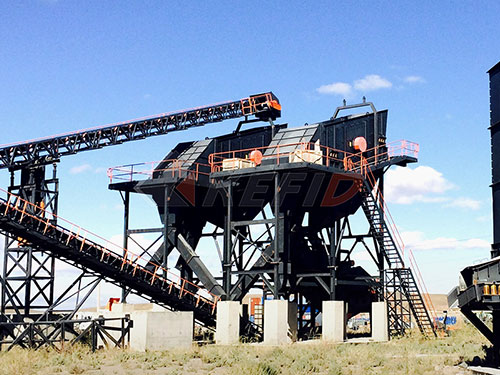

The Essential Flow of Stone Crushing: From Quarry to Construction
The transformation of raw rock into usable aggregate is a fundamental process underpinning construction and infrastructure development worldwide. Understanding the flow within a stone crushing plant is crucial for optimizing efficiency, chất lượng sản phẩm, and operational safety. This article outlines the typical stages involved in processing stone.
1. Khai thác & Pre-Processing (Điểm khởi đầu):
khai thác đá: Large rocks (những tảng đá) are extracted from the quarry face using methods like drilling, nổ mìn, hoặc đào cơ giới.
Chuyên chở: Raw material is transported from the quarry face to the primary crusher, often using large dump trucks or loaders.
Pre-Screening/Feeding: Before entering the primary crusher, material may pass through a grizzly screen (a coarse grid) or a vibrating feeder. This removes very fine material (cát, đất) and oversize rocks that might block the crusher entrance. The feeder ensures a controlled and consistent flow of material into the crushing circuit.
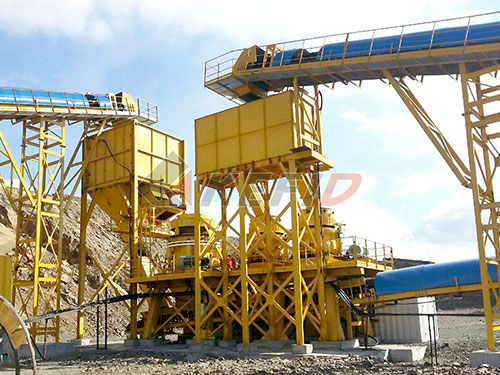
2. Nghiền sơ cấp (The First Reduction):
Máy nghiền sơ cấp: Large boulders are fed into the primary crusher – most commonly a Jaw Crusher or Gyratory Crusher. These robust machines apply immense compressive force to break down rocks into smaller pieces, typically reducing them to sizes ranging from roughly 150mm to 300mm (6-12 inch). The primary goal is significant size reduction.
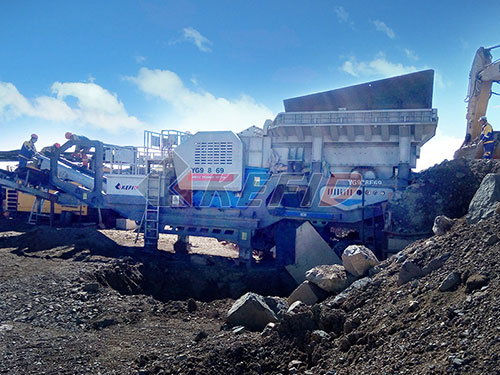
3. Nghiền thứ cấp (Tinh chỉnh thêm):
vận chuyển: Crushed material from the primary stage is conveyed (usually by belt conveyors) to the secondary crushing unit.
Máy nghiền thứ cấp: This stage takes the output from the primary crusher and reduces it further. Common secondary crushers include Cone Crushers (excellent for hard, đá mài mòn) and Impact Crushers (ideal for softer rock and producing more cubical shapes). Output sizes typically range between 20mm and 100mm (0.75 - 4 inch). Secondary crushing refines size and improves particle shape.
4. Sàng lọc & Phân loại (Sorting by Size):
Conveying to Screens: Material leaving secondary crushers is conveyed to vibrating screens.
Màn hình rung: These screens consist of multiple decks with different sized mesh openings. They physically separate the crushed material into specific size fractions:
Overs