
Nhà máy nghiền xỉ xuất khẩu

1. KHAI THÁC ĐIỀU KHIỂN PAINPOINT
Quản lý kho xỉ đặt ra những thách thức tài chính và vận hành dai dẳng. Are you contending with inefficient manual breaking methods that bottleneck your material flow? Does inconsistent feed size from primary crushing reduce your downstream screening and separation efficiency, leading to valuable metal loss? Are you facing excessive wear on crusher components from abrasive slag, driving up maintenance costs and unplanned downtime? The costs of slow processing, high consumable expenses, and metal recovery inefficiency directly impact your site’s profitability. How can you transform this byproduct into a consistent, highvalue aggregate stream while controlling operational expenditure? The solution requires a purposeengineered system designed for the specific demands of slag reduction.
2. TỔNG QUAN SẢN PHẨM
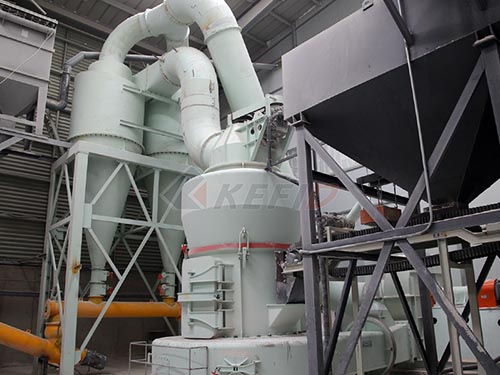
MỘT Nhà máy nghiền xỉ is a stationary or semimobile processing system engineered specifically for the size reduction of aircooled blast furnace (bạn trai) xỉ hoặc xỉ thép. Its core function is to crush large slag lumps into precisely graded aggregates for use in construction, xây dựng đường, or as a feedstock for further metal recovery processes.
Quy trình hoạt động:
1. Cho ăn & Sàng lọc trước: Slag is loaded via excavator or loader into a robust feed hopper, often with a grizzly section to bypass fine material.
2. Nghiền sơ cấp: Máy nghiền hàm hạng nặng hoặc máy nghiền tác động giúp giảm các cục lớn (often up to 1m+) đến một kích thước có thể quản lý được.
3. Chuyển khoản & Nghiền thứ cấp: Vật liệu được chuyển đến máy nghiền thứ cấp (typically a cone crusher or impact crusher) for further refinement to the target product size.
4. Định cỡ & Sự tách biệt: Crushed material passes through vibrating screens to separate it into specified fractions (ví dụ., 05mm, 510mm, 1020mm). Magnetic separators are often integrated at this stage to extract remaining ferrous metal.
5. Dự trữ: Cốt liệu đã được phân loại được chuyển đến kho dự trữ được chỉ định để gửi đi.
Phạm vi ứng dụng: Lý tưởng cho các nhà máy thép tích hợp, bãi xử lý xỉ độc lập, và các nhà sản xuất tổng hợp chuyên về các sản phẩm phụ công nghiệp.
Hạn chế: Không được thiết kế cho xỉ nóng chảy; feed material must be aircooled and solid. Performance is contingent on proper feed size control and the specific abrasiveness and composition of the source slag.
3. TÍNH NĂNG CỐT LÕI
Cấu hình máy nghiền hạng nặng | Cơ sở kỹ thuật: Manganese steel jaws/liners with optimized crushing chamber geometry | Lợi ích hoạt động: Sustained high throughput of highly abrasive material with reduced risk of premature failure | Tác động ROI: Lower costperton crushed via extended wear life and reduced frequency of liner changes.
Hệ thống phục hồi kim loại tích hợp | Cơ sở kỹ thuật: Overband magnetic separators positioned at key discharge points | Lợi ích hoạt động: liên tục, automated extraction of residual ferrous metal from the aggregate stream | Tác động ROI: Creates an additional revenue stream from recovered scrap metal while protecting downstream equipment from tramp metal damage.
Vibration Dampening Base Frame | Cơ sở kỹ thuật: Reinforced steel frame with antivibration mounts for major components | Lợi ích hoạt động: Minimizes structural stress and transmitted vibration, ensuring stable operation and reducing foundation requirements | Tác động ROI: Lowers installation complexity and cost, enhances longterm structural integrity of the plant.
Bôi trơn tập trung & Điểm giám sát | Cơ sở kỹ thuật: Manifolded lubrication lines for all major bearing points | Lợi ích hoạt động: Cho phép an toàn, efficient routine maintenance without requiring access to multiple isolated points during operation | Tác động ROI: Reduces lubrication time by up to 50%, promotes bearing health, and decreases unscheduled downtime.
Adjustable Discharge Setting System | Cơ sở kỹ thuật: Điều chỉnh thủy lực hoặc cơ khí trên máy nghiền thứ cấp/cấp ba | Lợi ích hoạt động: Allows operators to quickly change final product sizing to meet different market specifications | Tác động ROI: Enables rapid response to changing customer demands, maximizing plant utilization and sales opportunities.
4. LỢI THẾ CẠNH TRANH
| Chỉ số hiệu suất | Industry Standard Slag Processing | Giải pháp nhà máy nghiền xỉ của chúng tôi | Lợi thế (% Sự cải tiến) |
| : | : | : | : |
| Thông lượng trọng tải (Vật liệu mài mòn)| Biến, often declines with liner wear| Consistent output maintained via optimized wear part design & chảy| Lên đến 1520% more consistent yield over liner life |
| Hiệu quả phục hồi kim loại| Singlestage magnetic separation, often manual cleaning| Multistage magnetic separation at optimal transfer points| Ferrous recovery rates improved by 2530% |
| Thời gian ngừng bảo trì (Đã lên lịch)| Dispersed lube points; manual setting adjustment| Centralized systems & hydraulic adjustment features| Routine service time reduced by approximately 40% |
| Tính nhất quán về hình dạng sản phẩm| Basic crushing circuits can produce flaky aggregates| Tối ưu hóa buồng & crushing stage matching produces more cubical product| Improved cubicity index enhances aggregate value for premium applications |
5. THÔNG SỐ KỸ THUẬT
Phạm vi công suất: Có thể cấu hình từ 50 TPH đến hơn 300 TPH, depending on feed size and required product grading.
Yêu cầu về nguồn điện: Tổng công suất lắp đặt thường dao động từ 150 kW để 600 kW, supplied by mains connection or onboard diesel generator set for semimobile units.
Thông số vật liệu: Primary wear components (lót, impeller bars) manufactured from highchrome martensitic steel or premium manganese steel. Structural frames use heavyduty rolled steel sections.
Kích thước vật lý (Thiết lập điển hình): Dấu chân thay đổi theo công suất; Một 150 TPH plant may require approximately 25m (L) x 18m (W) x 12m (H).
Phạm vi hoạt động môi trường: Được thiết kế cho nhiệt độ môi trường xung quanh từ 20°C đến +45°C. Dust suppression systems are standard to maintain environmental compliance.
6. KỊCH BẢN ỨNG DỤNG
Bãi xỉ nhà máy thép tích hợp | Thử thách: Inefficient primary breaking causing backlog; low recovery of valuable metallics from old slag dumps leading to lost revenue. | Giải pháp: Deployment of a turnkey Slag Crusher Plant with highcapacity jaw crusher for primary reduction and two stages of magnetic separation. | Kết quả: Processing rate increased to 180 TPH; recovered an average of 8 tons of ferrous metal per operating day; cleared legacy stockpile within projected timeline.
Commercial Aggregate Producer Specializing in Industrial Byproducts | Thử thách: Existing plant struggled with extreme abrasiveness of steel slag, resulting in unsustainably high wear part costs and poor product shape limiting marketability.| Giải pháp: Installation of a purposebuilt Slag Crusher Plant featuring specialized abrasionresistant liners and a cone crusher secondary stage for improved particle shape.| Kết quả: Vòng đời của bộ phận hao mòn được kéo dài hơn 60%; produced highquality cubical aggregate meeting road base specifications; opened access to highervalue construction contracts.
7. CÂN NHẮC THƯƠNG MẠI
Nhà máy nghiền xỉ của chúng tôi được cung cấp theo ba cấp chính:
Cấu hình tiêu chuẩn: A robust base plant covering primary crushing, basic screening/conveying, and singlestage magnetic separation.
Cấu hình khôi phục nâng cao: Adds secondary crushing for finer grading optimization and multistage magnetic separation drums/scanners.
Fully Modular/Mobile Configuration: Skidmounted or trailerbased units offering shorter installation times and relocation flexibility.
Optional features include automated dust suppression systems, cảm biến giám sát rung động tiên tiến, gói phát điện trên tàu, and custom conveyor lengths.
We provide comprehensive service packages ranging from annual inspection plans to fullturnkey operation & hợp đồng bảo trì. Financing options including leasing structures are available through our partners to facilitate capital expenditure planning.
8. Câu hỏi thường gặp
1. Is your Slag Crusher Plant compatible with our existing conveyors and screening equipment?
Đúng; our engineering team designs the transfer heights and discharge points based on your site layout survey data provided during quotation.
2. Tác động hoạt động dự kiến đối với mức tiêu thụ điện năng của chúng tôi là gì?
Field data shows that an optimized plant design uses energy more efficiently per ton processed than piecemeal systems due to reduced recirculation loads.
3. How does pricing typically scale with capacity?
Pricing follows an economyofscale curve but is also influenced by specific requirements like level of metallurgical recovery needed or environmental enclosures.
4. Các điều khoản thương mại tiêu chuẩn được cung cấp là gì?
We typically offer FOB pricing exworks alongside CIF quotations for international buyers; payment terms are structured around project milestones such as FAT (Kiểm tra nghiệm thu tại nhà máy).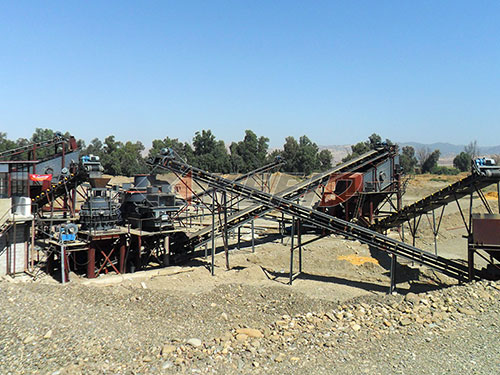
5.