
Chi phí máy nghiền cho .4mm
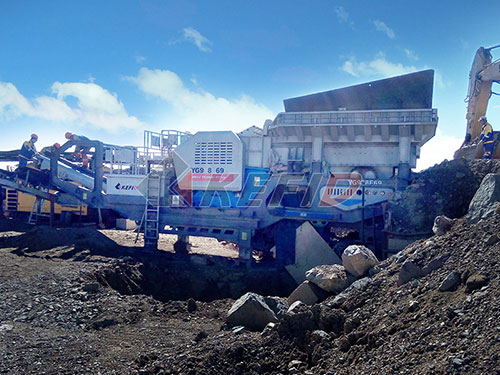

The True Cost of Crushing Down to 0.4mm: Beyond the Machine Price
Achieving a consistent final product size of 0.4 millimeters represents a significant challenge in aggregate and mineral processing operations. While selecting the right crusher is fundamental, focusing solely on the initial purchase price ("crusher cost") for this specific output is a critical mistake that can lead to substantial long-term inefficiencies and higher overall expenses.
Why 0.4mm Matters
This fine particle size is often essential for high-value applications:
Vật liệu xây dựng: Fine aggregates for high-strength concrete mixes, specialized mortars.
Khoáng sản công nghiệp: chất độn (ví dụ., calcium carbonate in plastics/paints), chất mài mòn.
Chemical Processing: Precise feed sizing for reactors or leaching circuits.
Foundry Sands: Meeting exact specifications for mold quality.
Achieving this fineness reliably demands more than just brute force; it requires efficient technology selection and process understanding.
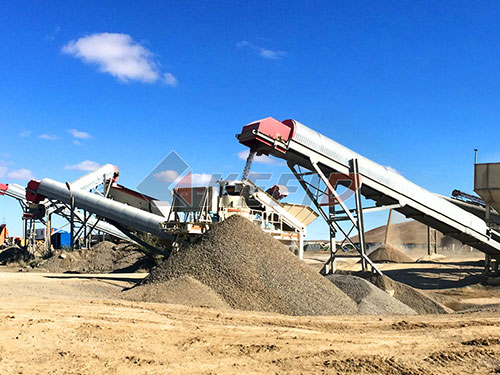
Factors Driving the Real Cost of Producing 0.4mm Material
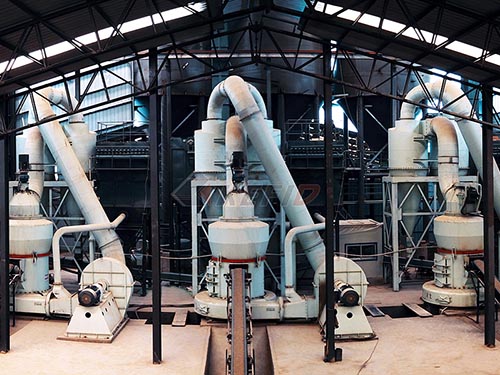
1. Loại máy nghiền & Công nghệ:
Máy nghiền tác động (VSI/HIS): Often the preferred choice for fine crushing due to their ability to generate cubical particles efficiently at finer settings (<10mm). Tuy nhiên, wear costs (rotor tips/anvils/liners) are significant when processing hard or abrasive rock down to 0.4mm.
Máy nghiền hình nón: Can achieve fine settings but typically struggle economically below ~5-6mm closed side setting (CSS). Producing 0.4mm consistently usually requires multiple stages (sơ trung + tertiary cones) or feeding cone discharge into a VSI, increasing complexity and cost.
Cuộn mài áp suất cao (HPGR): Highly energy-efficient for fine grinding but have high capital costs and require very specific feed preparation (consistent size distribution).
Fine Jaw Crushers: Limited application; generally not suitable as primary machines for achieving sub-1mm sizes economically at scale.
2. Tiêu thụ bộ phận hao mòn & BẢO TRÌ:
This becomes the dominant operating cost factor when targeting ultra-fine outputs like 0.4mm.
Wear rates accelerate exponentially as crusher settings get finer due to increased inter-particle crushing and friction.
Material abrasiveness is paramount – crushing granite costs significantly more in wear parts than limestone at this fineness.