
Nhà nhập khẩu nhà máy nghiền xỉ thương mại
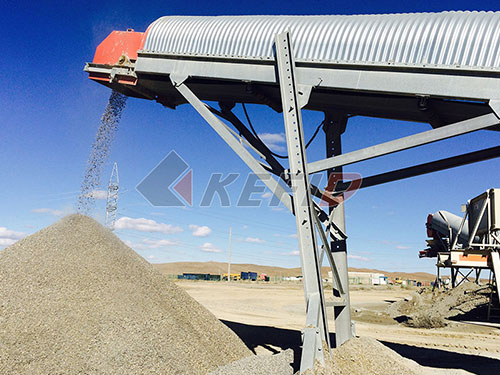

H1: Tối ưu hóa quá trình xử lý vật liệu của bạn với Nhà máy nghiền xỉ thương mại
Hoạt động của bạn đang gặp khó khăn, sản phẩm phụ mài mòn của sản xuất kim loại? Quản lý xỉ hiệu quả là một thách thức công nghiệp dai dẳng, ảnh hưởng trực tiếp đến lợi nhuận của bạn. Bạn đang gặp phải chi phí thay thế bộ phận bị mài mòn cao do tính chất mài mòn của xỉ? Kích thước nguồn cấp dữ liệu không nhất quán từ xỉ thô gây ra tắc nghẽn và làm giảm công suất xử lý tiếp theo của bạn? Bạn đang phải đối mặt với thời gian ngừng hoạt động quá mức để bảo trì và làm sạch, hoặc mất doanh thu tiềm năng do coi xỉ chỉ là chất thải? Một nhà máy nghiền xỉ thương mại chuyên dụng được thiết kế để chuyển các nghĩa vụ vận hành này thành một giải pháp nhất quán., sản phẩm tổng hợp có giá trị.
Tổng quan về sản phẩm: Giải pháp xử lý xỉ tích hợp
Nhà máy nghiền xỉ thương mại là một hệ thống nghiền cố định hoặc bán di động được cấu hình đặc biệt để giảm xỉ luyện kim (lò cao, thép, đồng, vân vân.) thành các cốt liệu được phân loại chính xác để sử dụng trong xây dựng, nền đường, hoặc thu hồi nguyên liệu. Quy trình làm việc vận hành được thiết kế để hoạt động liên tục, chế biến nặng:
1. Nhận chính & Sàng lọc trước: Xỉ thô được đưa qua máy xúc hoặc băng tải vào hệ thống, trong đó màn hình mở rộng ban đầu sẽ loại bỏ vật liệu mịn và mảnh vụn.
2. Nghiền sơ cấp: Máy nghiền sơ cấp mạnh mẽ (thường là một máy nghiền hàm) giảm khối xỉ lớn xuống kích thước có thể quản lý được.
3. Sơ trung & nghiền cấp ba: Máy nghiền hình nón hoặc máy nghiền tác động tiếp tục làm giảm vật liệu đến các thông số kỹ thuật của sản phẩm cuối cùng mong muốn.
4. Sàng lọc cuối cùng & Sắp xếp: Màn hình rung nhiều tầng tách vật liệu nghiền thành các phần xác định (ví dụ., 05mm, 520mm, 2040mm).
5. Dự trữ & Gửi đi: Cốt liệu đã được phân loại được chuyển đến kho dự trữ được chỉ định để đảm bảo chất lượng và tải.
Hệ thống này được thiết kế để xử lý khối lượng lớn các vật liệu mài mòn nhưng yêu cầu nguồn cấp xỉ luyện kim được kiểm soát; nó thường không dành cho khai thác đá nguyên chất hoặc vật liệu cực kỳ dính mà không có cấu hình cụ thể.
Tính năng cốt lõi: Được thiết kế để mài mòn và thời gian hoạt động
Cánh quạt hạng nặng & buồng nghiền | Cơ sở kỹ thuật: khối lượng lớn, thiết kế hợp kim chống mài mòn | Lợi ích hoạt động: Duy trì năng lượng va chạm và chống mài mòn từ vật sắc nhọn, xỉ cứng | Tác động ROI: Khoảng thời gian bảo trì kéo dài giúp giảm tần suất thay đổi bộ phận và chi phí lao động lên tới 30%.
Điều chỉnh thủy lực & Thanh toán bù trừ | Cơ sở kỹ thuật: Hệ thống thủy lực điều khiển bằng máy tính | Lợi ích hoạt động: Cho phép người vận hành điều chỉnh kích thước sản phẩm hoặc thông tắc nghẽn từ xa trong vài phút | Tác động ROI: Giảm thiểu thời gian ngừng hoạt động ngoài kế hoạch bằng cách cho phép phản ứng nhanh với các biến thể của nguồn cấp dữ liệu.
Bộ phận mài mòn gia cố & Hệ thống lót | Cơ sở kỹ thuật: Lớp lót bằng thép mangan hoặc gốm composite | Lợi ích hoạt động: Cung cấp tuổi thọ mài mòn có thể dự đoán được ở các vùng nghiền có độ mài mòn cao | Tác động ROI: Cho phép lập kế hoạch bảo trì theo kế hoạch và giảm chi phí cho các bộ phận bị mài mòn.
Tách kim loại tích hợp | Cơ sở kỹ thuật: Máy tách đai chéo từ tính Overbelt | Lợi ích hoạt động: Tự động chiết xuất hàm lượng kim loại dư từ dòng sản phẩm nghiền | Tác động ROI: Bảo vệ thiết bị hạ nguồn và tăng độ tinh khiết tổng hợp để có giá trị thị trường cao hơn.
Khung cách ly rung | Cơ sở kỹ thuật: Hệ thống lắp đặt giảm chấn và hỗ trợ kết cấu gia cố | Lợi ích hoạt động: Hấp thụ tải trọng động từ nguồn cấp dữ liệu không đồng đều và tác động nghiền | Tác động ROI: Giảm mệt mỏi căng thẳng cấu trúc, kéo dài tuổi thọ hoạt động của nhà máy.
Lợi thế cạnh tranh: Mức tăng hiệu suất có thể đo lường được
| Chỉ số hiệu suất | Tiêu chuẩn ngành (Máy nghiền di động) | Giải pháp nhà máy nghiền xỉ thương mại | Lợi thế |
| : | : | : | : |
| Sẵn sàng để xử lý| ~7580% (di dời/thiết lập bao thanh toán)| >92% (cài đặt vĩnh viễn/bán vĩnh viễn) | +15% giờ làm việc hiệu quả hơn |
| Chi phí mỗi tấn (Mặc bộ phận)| Biến, thường cao hơn do lớp lót kém tối ưu hơn| Được kiểm soát thông qua thiết kế lớp lót chuyên dụng và luyện kim| Lên đến 25% giảm tài liệu |
| Tính nhất quán của sản phẩm (Cấp độ)| Có thể thay đổi tùy theo vị trí nguồn cấp dữ liệu và cài đặt máy nghiền| Tính nhất quán cao do thiết lập và kiểm soát quy trình ổn định| Cải thiện việc tuân thủ thông số kỹ thuật khoảng ~40% |
| Công suất thông lượng| Bị giới hạn bởi diện tích nhà máy di động và kích thước trung chuyển| Được thiết kế để có nguồn cấp dữ liệu liên tục cao hơn từ kho dự trữ| Tăng sản lượng ở trạng thái ổn định thêm 2050% |
Thông số kỹ thuật
Năng lực xử lý: Phạm vi từ 150 TPH đến hơn 600 TPH, tùy thuộc vào cấu hình mô hình và đặc tính nguyên liệu thức ăn.
Yêu cầu về nguồn điện: Cây sơ cấp thường yêu cầu 400800 cung cấp điện kW; kế hoạch phân phối điện chi tiết được cung cấp cho mỗi lần lắp đặt.
Thông số kỹ thuật vật liệu chính: Được chế tạo từ thép kết cấu S355JR; các bộ phận mài mòn bằng thép mangan HB500+ hoặc tấm AR tương đương; trục quan trọng là thép hợp kim rèn.
Kích thước vật lý (Thiết lập điển hình): Bố cục thay đổi; một tiêu chuẩn 250 Diện tích nhà máy TPH xấp xỉ 40m (L) x 25m (W) x 15m (H).
Phạm vi hoạt động môi trường: Được thiết kế cho nhiệt độ môi trường xung quanh từ 20°C đến +45°C với các tính năng tùy chọn để ngăn chặn bụi (10°C) và đóng gói tiếng ồn.
Kịch bản ứng dụng
Tái chế xỉ nhà máy thép | Thử thách: Một nhà sản xuất thép lớn đang chôn lấp xỉ lò cao với chi phí đáng kể trong khi mua vật liệu nền đường bên ngoài. Phá vỡ thủ công không hiệu quả. | Giải pháp: Lắp đặt nhà máy nghiền xỉ thương mại chìa khóa trao tay với máy nghiền hàm sơ cấp và hình nón thứ cấp, sàng lọc tích hợp và tách từ. | Kết quả: Các quá trình của nhà máy 400 TPH của xỉ thô. Chi phí chôn lấp đã được loại bỏ, và hoạt động bây giờ tạo ra hơn 300,000 tấn cốt liệu được chứng nhận hàng năm, tạo ra một nguồn doanh thu mới với ROI đạt được dưới 24 tháng.
Nhà máy luyện đồng Xử lý sản phẩm | Thử thách: Xỉ lò luyện đồng bị mài mòn với các túi kim loại nhúng đã gây ra sự mài mòn nhanh chóng trên các thiết bị nghiền thông thường, dẫn đến thời gian ngừng bảo trì cao. | Giải pháp: Triển khai nhà máy nghiền xỉ chuyên dụng có thùng chứa xỉ, máy cấp liệu tạp dề cho dòng nguyên liệu đều, và các thiết bị va chạm hạng nặng với các bộ phận chịu mài mòn cực dày. Một hệ thống tách từ hai giai đoạn đã được bao gồm. Kết quả:| Kết quả:Hệ thống chuyên dụng tăng thời gian trung bình giữa các lần thất bại (MTBF) hơn 60%. Hiệu suất thu hồi kim loại được cải thiện lên >98%, thêm doanh thu phế liệu trực tiếp. Cốt liệu cuối cùng được bán cho ngành bê tông trộn sẵn tại địa phương.
Cân nhắc thương mại
Các nhà máy nghiền xỉ thương mại là khoản đầu tư vốn phù hợp với yêu cầu địa điểm cụ thể và mục tiêu sản lượng.
Bậc giá: Các mô-đun trượt cấp độ đầu vào bắt đầu ở điểm đầu tư thấp hơn cho nhu cầu công suất thấp hơn (~150200 TPH). Cây văn phòng phẩm tầm trung (~250400 TPH) cung cấp tự động hóa lớn hơn. Hệ thống chìa khóa trao tay đầy đủ với hệ thống vận chuyển tích hợp, sàng lọc,và kiểm soát bụi đại diện cho cấp cao cấp.
Tính năng tùy chọn: Các tiện ích bổ sung chính bao gồm pháo khử bụi tiên tiến, hệ thống bôi trơn dầu mỡ tự động, gói viễn thông giám sát từ xa,và hệ thống rửa bổ sung cho cốt liệu sạch hơn.
Gói dịch vụ: Hỗ trợ toàn diện thường bao gồm các kế hoạch bảo trì phòng ngừa theo lịch trình,hỗ trợ kỹ thuật ảo,và các thỏa thuận cung cấp bộ phận hao mòn được đảm bảo. Nên đào tạo người vận hành tại chỗ tùy chọn.
Tùy chọn tài chính: Hầu hết các nhà cung cấp có thể tạo điều kiện thuận lợi cho các giải pháp tài chính thông qua các tổ chức đối tác. Cấu trúc phổ biến bao gồm hợp đồng thuê hoạt động cho thuê vốn,và cho thuê các chương trình riêng phù hợp với yêu cầu của bảng cân đối kế toán.
Câu hỏi thường gặp
1. Nhà máy này có tương thích với các loại xỉ khác nhau không?
Đúng,một nhà máy nghiền xỉ thương mại được cấu hình tốt có thể xử lý lò cao(bạn trai),thép(BOF/EAF),và xỉ kim loại màu. Các điều chỉnh quan trọng liên quan đến việc lựa chọn vật liệu mài mòn,tốc độ máy nghiền,và có khả năng bao gồm các thiết bị phân tách chuyên dụng dựa trên hàm lượng kim loại.
2. Tiến trình thực hiện điển hình từ đơn hàng đến hoạt động là gì?
Đối với một nhà máy cố định được cấu hình tiêu chuẩn, việc giao các thành phần chính thường là 1620 tuần kể từ khi đặt hàng. Việc chuẩn bị nền móng của khách hàng phải diễn ra song song. Việc lắp ráp tại chỗ và vận hành bởi các kỹ sư đủ tiêu chuẩn yêu cầu thêm 46 tuần tùy thuộc vào độ phức tạp.
3. Giải pháp này tác động như thế nào đến chi phí lao động hoạt động hiện tại của chúng tôi?
Những nhà máy này được thiết kế để tự động hóa cao chỉ cần 12 người vận hành mỗi ca để giám sát và điều chỉnh cơ bản. Kiểm soát tập trung và giảm bớt việc xử lý thủ công thường ổn định hoặc giảm yêu cầu lao động trực tiếp so với nhiều thiết bị di động hoặc phương pháp thủ công.
4. Các điều khoản thương mại chính liên quan đến bảo hành và đảm bảo hiệu suất là gì?
Bảo hành tiêu chuẩn bao gồm lỗi sản xuất trong máy móc trong 12 tháng kể từ khi vận hành. Bảo đảm hiệu suất cho thông lượng và phân cấp sản phẩm thường được cung cấp dựa trên thông số kỹ thuật vật liệu thức ăn đã thỏa thuận và được xác định theo hợp đồng trước khi mua.
5. Chúng ta có thể tích hợp nhà máy mới này với băng tải và cơ sở hạ tầng xử lý vật liệu hiện có không??
Tích hợp là thực hành tiêu chuẩn. Đánh giá kỹ thuật sẽ xem xét các điểm giao diện như chiều cao phễu cấp liệu, băng thông băng tải và điểm chuyển giao để đảm bảo tính tương thích. Các sửa đổi hoặc tiện ích mở rộng có thể được trích dẫn như một phần của phạm vi dự án.
6. Chúng tôi có thể mong đợi những loại hỗ trợ hậu mãi nào đối với phụ tùng thay thế và hỗ trợ kỹ thuật?
Các nhà cung cấp có uy tín cung cấp 24/7 các phụ tùng thay thế quan trọng sẵn có được hỗ trợ bởi danh mục phụ tùng chi tiết. Hỗ trợ kỹ thuật ảo thông qua các hệ thống được kết nối ngày càng phổ biến. Đội ngũ dịch vụ tại chỗ luôn sẵn sàng theo các thỏa thuận về thời gian đáp ứng đã thỏa thuận.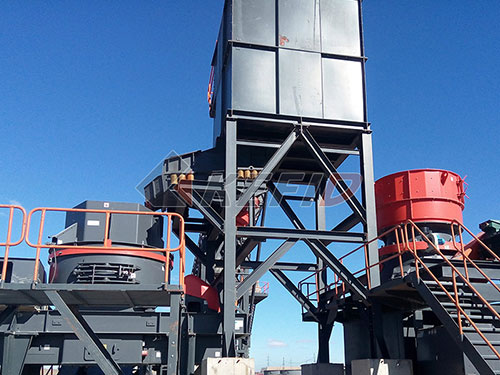
7. Có sẵn giải pháp tài chính nào phù hợp với chu kỳ chi tiêu vốn của chúng ta không?
Có. Nguồn tài trợ linh hoạt thông qua các tổ chức đối tác thường được sắp xếp. Điều này có thể bao gồm các cơ cấu vốn đảm bảo dòng vốn lưu động hoặc các kế hoạch thanh toán lũy tiến được liên kết với các mốc quan trọng của dự án