
Giá máy làm gạch thương mại


1. KHAI THÁC ĐIỀU KHIỂN PAINPOINT
Quản lý dây chuyền sản xuất gạch thương mại có nghĩa là cân bằng nhu cầu đầu ra không ngừng với biên lợi nhuận thắt chặt. Nếu bạn đang đánh giá giá máy làm gạch thương mại, bạn có thể đang phải đối mặt với những thách thức hoạt động cốt lõi này:
Chất lượng sản phẩm không nhất quán: Việc nạp vật liệu thủ công và nén thay đổi dẫn đến gạch có mật độ và dung sai kích thước khác nhau. Điều này dẫn đến tỷ lệ từ chối cao hơn, tranh chấp khách hàng, và lãng phí nguyên liệu thô—chi phí làm xói mòn trực tiếp lợi nhuận.
Chi phí lao động không bền vững & Sự phụ thuộc: Sự phụ thuộc vào thiết bị bán tự động hoặc quy trình thủ công tạo ra hiệu quả cao, chi phí lao động thay đổi. Tình trạng thiếu người vận hành có tay nghề cao và mức lương tăng cao khiến việc lập ngân sách dài hạn trở nên khó khăn và hạn chế khả năng mở rộng quy mô nhà máy của bạn.
Thời gian ngừng hoạt động quá mức để thay đổi khuôn: Trong môi trường sản xuất linh hoạt, việc chuyển đổi loại hoặc kích thước gạch có thể khiến dây chuyền của bạn bị dừng trong nhiều giờ. Thời gian sản xuất bị mất trong quá trình chuyển đổi thể hiện chi phí cơ hội đáng kể.
Gánh nặng bảo trì cao & Điểm dừng ngoài kế hoạch: Thiết bị có linh kiện không đạt tiêu chuẩn hoặc thiết kế kết cấu yếu hỏng hóc khó lường. Việc sửa chữa khẩn cấp và tìm nguồn cung ứng linh kiện dẫn đến trì hoãn các đơn đặt hàng và làm tăng tổng chi phí sở hữu của bạn.
Hoạt động hiện tại của bạn có đang gặp khó khăn với sự biến động đầu ra và không thể đoán trước? trị giá mỗi pallet? Giải pháp không nằm ở việc tìm ra chiếc máy rẻ nhất, nhưng trong việc lựa chọn thiết bị được thiết kế để chuyển những điểm yếu này thành những vấn đề có thể đo lường được ROI.
2. TỔNG QUAN SẢN PHẨM
Máy làm gạch cố định thương mại có công suất cao, hệ thống cơ điện được thiết kế để hoạt động liên tục, tự động sản xuất gạch đất sét hoặc bê tông tiêu chuẩn, khối, và máy lát đường. Nó biến đổi nguyên liệu thô thành thành phẩm, sản phẩm được xử lý thông qua quy trình làm việc hợp nhất:
1. cho ăn & Trộn: Nguyên liệu trộn sẵn (bê tông hoặc đất sét đã chuẩn bị) được chuyển vào một phễu tích hợp, đảm bảo chất lượng lô đồng nhất.
2. nén chặt & đúc: Vật liệu được đo chính xác vào hộp khuôn cứng và chịu rung và nén áp suất cao thông qua hệ thống thủy lực.
3. Phóng ra & Xếp hàng lên pallet: Viên gạch mới hình thành được đẩy lên pallet hoặc băng tải, sẵn sàng để chữa bệnh ngay lập tức.
4. xếp chồng & Xử lý (Không bắt buộc): Máy xếp robot tích hợp tự động sắp xếp các viên gạch xanh lên giá đỡ, giảm thiểu thiệt hại xử lý thủ công.
Phạm vi ứng dụng: Lý tưởng cho các nhà máy gạch chuyên dụng, bãi khối, và các nhà cung cấp vật liệu xây dựng lớn yêu cầu đầu ra từ 8,000 đến hơn 30,000 lượng gạch tiêu chuẩn tương đương mỗi ca 8 giờ.
Hạn chế chính: Đây là những hệ thống sản xuất cố định cần có nền tảng được chuẩn bị sẵn, thức ăn nguyên liệu phù hợp (kích thước/phân loại), và tích hợp vào một bố cục nhà máy đầy đủ với không gian bảo dưỡng.
3. TÍNH NĂNG CỐT LÕI
Hệ thống thủy lực cao áp | Cơ sở kỹ thuật: Thủy lực servo vòng kín có van tỷ lệ | Lợi ích hoạt động: Cung cấp lực nén phù hợp (chênh lệch ±2%) cho mật độ và cường độ gạch đồng đều trong mỗi chu kỳ sản xuất | Tác động ROI: Giảm lượng từ chối sản phẩm lên tới 15%, đảm bảo đầu ra có thể bán được nhiều hơn từ cùng một nguyên liệu đầu vào.
Hệ thống khuôn QuickChange | Cơ sở kỹ thuật: Khung con được tiêu chuẩn hóa với cơ chế khóa có hướng dẫn | Lợi ích hoạt động: Cho phép chuyển đổi khuôn hoàn chỉnh ở bên dưới 30 phút bởi một đội hai người | Tác động ROI: Tăng tính linh hoạt và sử dụng của nhà máy; dữ liệu trường hiển thị lên tới 20% thời gian hoạt động hiệu quả hơn trong các cơ sở đa sản phẩm.
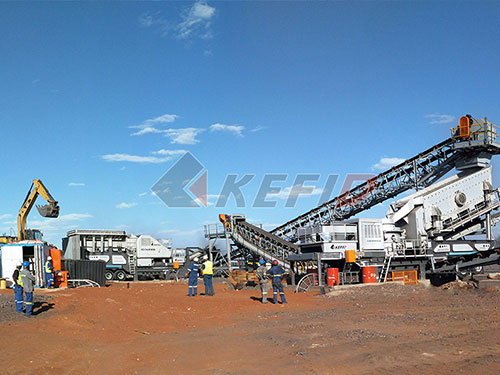
Bàn rung cấp công nghiệp | Cơ sở kỹ thuật: Nhiều trục lệch tâm đồng bộ được điều khiển bởi động cơ mô-men xoắn cao | Lợi ích hoạt động: Đạt được sự hóa lỏng và khử khí vật liệu tối ưu ở tần số được kiểm soát | Tác động ROI: Sản xuất gạch có cường độ ban đầu cao hơn, giảm thiệt hại do xử lý trong quá trình vận chuyển bảo dưỡng ước tính 12%.
Giao diện điều khiển PLC tập trung | Cơ sở kỹ thuật: Bộ điều khiển logic lập trình được với HMI màn hình cảm ứng hiển thị số liệu OEE thời gian thực | Lợi ích hoạt động: Người vận hành có thể theo dõi thời gian chu kỳ, đường cong áp lực, và chẩn đoán lỗi từ một trạm duy nhất | Tác động ROI: Đơn giản hóa việc khắc phục sự cố và giảm thời gian sửa chữa (MTTR) xấp xỉ 25%.
Khung kết cấu gia cố | Cơ sở kỹ thuật: Được chế tạo từ tấm thép cường độ cao với đường gân được tối ưu hóa bằng máy tính | Lợi ích hoạt động: Giảm bớt áp lực vận hành để duy trì sự liên kết quan trọng giữa đầu khuôn và bàn trong nhiều thập kỷ sử dụng | Tác động ROI: Kéo dài khoảng thời gian đại tu lớn; trực tiếp bảo vệ vốn đầu tư của bạn khỏi sự xuống cấp sớm.
4. LỢI THẾ CẠNH TRANH
| Chỉ số hiệu suất | Tiêu chuẩn ngành (Máy thông thường) | Giải pháp máy làm gạch thương mại của chúng tôi | Lợi thế (% Sự cải tiến) |
| : | : | : | : |
| Tính nhất quán về thời gian của chu kỳ | Chênh lệch ±0,5 giây do độ trễ thủy lực/mòn van | Phương sai ±0,1 giây thông qua thủy lực điều khiển bằng servo | 80% more consistent |
| Thời gian chuyển đổi khuôn| 90120 phút sử dụng bu lông/công cụ căn chỉnh thủ công| 2,000 giờ hoạt động của các bộ phận được gia cố| ~67% dài hơn |
Dựa trên dữ liệu dịch vụ tại hiện trường từ các môi trường hoạt động tương đương.
5. THÔNG SỐ KỸ THUẬT
Năng lực sản xuất: Các mô hình có thể cấu hình từ 1,920 ĐẾN 4,320 gạch mỗi giờ (chất rắn tiêu chuẩn tương đương).
Yêu cầu về nguồn điện: Ổ đĩa chính được cung cấp bởi 4575 động cơ điện kW(S), phụ thuộc vào mô hình; yêu cầu nguồn điện ba pha ổn định.
Thông số vật liệu: Tương thích với hỗn hợp bê tông tiêu chuẩn (C20C40) hoặc đất sét dẻo có độ ẩm 18%. Kích thước tổng hợp tối đa: 10mm.
Kích thước vật lý (Đặc trưng): Dấu chân máy khoảng. 6tôi (L) x 3m (W) x 3m (H). Yêu cầu tải trọng nền ≥15 tấn tải trọng tĩnh.
Phạm vi hoạt động môi trường: Được thiết kế cho nhiệt độ môi trường xung quanh từ +5°C đến +40°C; bảng điện được xếp hạng IP54 để bảo vệ chống bụi/ẩm.
6. KỊCH BẢN ỨNG DỤNG
Nhà sản xuất khối khu vực & Nhà cung cấp
Thử thách: Một sân khối cỡ trung bình phải đối mặt với sự cạnh tranh gay gắt về giá và cần giảm chi phí trên mỗi đơn vị sản phẩm mà không làm giảm chất lượng hoặc mở rộng lực lượng lao động của mình.
Giải pháp: Triển khai máy sản xuất gạch thương mại tầm trung có hệ thống khuôn thay nhanh và truyền động VFD tiết kiệm năng lượng.
Kết quả: Đạt được một 22% tăng sản lượng hàng ngày với cùng quy mô đội ngũ trong khi giảm chi phí năng lượng ước tính $8,500 hàng năm. Sự thay đổi nhanh hơn cho phép gia nhập có lãi vào các thị trường máy lát nền thích hợp.
Dự án xây dựng quy mô lớn
Thử thách: Một nhà thầu xây dựng một thị trấn xa xôi yêu cầu sản xuất tại chỗ hơn 2 triệu viên gạch trong một dòng thời gian tích cực. Dịch vụ hậu cần khiến việc cung cấp bên ngoài trở nên cực kỳ tốn kém.
Giải pháp: Triển khai hai tổ máy sản xuất gạch thương mại đóng container có tích hợp máy trộn tại chỗ.
Kết quả: Thiết lập sản xuất đầy đủ trong vòng ba tuần kể từ khi thiết bị đến. Dự án duy trì quyền tự chủ về tiến độ, cắt giảm chi phí vận chuyển khoảng $35 trên một nghìn viên gạch được sản xuất tại chỗ so với nguồn cung được vận chuyển.
7. CÂN NHẮC THƯƠNG MẠI
Giá máy làm gạch thương mại được cơ cấu theo mức công suất tự động hóa:
Hệ thống thương mại cấp đầu vào ($85k $140k): Các máy trạm đơn công suất cao thường không có tự động hóa tích hợp như máy xếp tự động hoặc máy cấp pallet phù hợp cho các hoạt động bổ sung tự động hóa giai đoạn đầu
Dây chuyền sản xuất tầm trung ($145đến $250k): Các hệ thống hoàn toàn tự động bao gồm các băng tải đồng bộ xếp chồng bằng rô-bốt lý tưởng cho các nhà máy đã được thiết lập nhằm vào các đầu ra theo ca ở trên
Nhà máy chìa khóa trao tay công suất cao ($255k+): Dây chuyền được cấu hình tùy chỉnh nhiều trạm hình dạng chuyên dụng màu sắc hoàn chỉnh hệ thống xử lý xử lý nguyên liệu thô
Các tính năng tùy chọn ảnh hưởng đến mức giá cuối cùng bao gồm hệ thống định lượng màu của máy cấp pallet bằng rô-bốt, gói phần mềm giám sát từ xa
Các gói dịch vụ thường được cung cấp:
- Bảo hành cơ bản bao gồm các bộ phận tháng lao động
- Kế hoạch bảo vệ mở rộng bao gồm các thành phần quan trọng trong nhiều năm
- Hợp đồng bảo trì hàng năm cung cấp hỗ trợ ưu tiên kiểm tra theo lịch trình
Các lựa chọn tài chính có sẵn thông qua các tổ chức đối tác bao gồm cho thuê vốn, cho thuê hoạt động, thời hạn cho vay, cơ cấu cho vay phù hợp với yêu cầu về dòng tiền
8.Câu hỏi thường gặp
Q Yêu cầu chuẩn bị mặt bằng ở mức độ nào?
A Nền bê tông cốt thép cấp A có kích thước cụ thể, khả năng chịu tải được cung cấp theo bản vẽ kỹ thuật thiết yếu của chúng tôi Nền móng phù hợp ngăn ngừa sai lệch đảm bảo tuổi thọ máy đã nêu
Q Thiết bị này tích hợp các hệ thống bảo dưỡng trộn hiện có như thế nào?
A Máy được thiết kế để tiếp nhận vật liệu đã chuẩn bị sẵn, chiều rộng chiều rộng băng tải tiêu chuẩn. Thông số kỹ thuật giao diện được cung cấp tạo điều kiện tích hợp liền mạch cho các quy trình ngược dòng của bạn
Q Nhân viên bảo trì cung cấp dịch vụ đào tạo điển hình nào?
Khóa đào tạo toàn diện tại chỗ bao gồm các quy trình bảo trì định kỳ xử lý sự cố cơ bản về vận hành Tài liệu bao gồm sơ đồ hướng dẫn sử dụng các bộ phận chi tiết
Q Các phụ tùng thay thế có sẵn với thời gian giao hàng dự kiến không?
A Chúng tôi duy trì hàng tồn kho các bộ phận bị hao mòn quan trọng, các vật tư tiêu hao thông thường. Các bộ phận tiêu chuẩn được vận chuyển trong vòng vài giờ, các bộ phận chuyên dụng có thể yêu cầu có sẵn theo thời gian sản xuất trong tuần
Q Những yếu tố chính nào ảnh hưởng đến tổng chi phí sở hữu lâu dài ngoài giá mua ban đầu?
A Các yếu tố chính là mức tiêu thụ năng lượng trên mỗi đơn vị sản xuất bảo trì chi phí nhân công tần suất thay thế thành phần chính Dữ liệu vận hành của bạn giúp lập mô hình chính xác các chi phí dài hạn này