
Dây chuyền nghiền đá granite 200tph của Cameroon
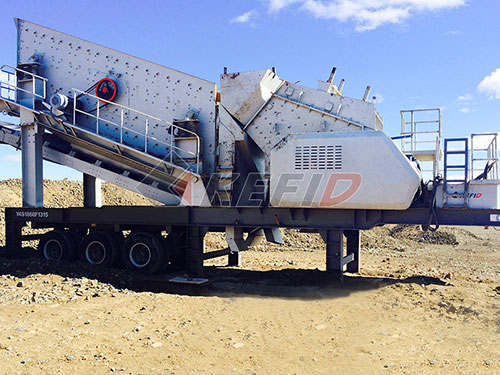

Dây chuyền nghiền đá granite 200tph của Cameroon: Một mô hình hiệu quả và bền vững
Giới thiệu
Cameroon, endowed with abundant granite resources, has witnessed growing demand for high-quality aggregates to support infrastructure development and urbanization. To meet this demand, a state-of-the-art 200-ton-per-hour (tph) granite crushing line was established, showcasing advanced engineering solutions and sustainable practices. This article explores the project’s design, technological innovations, hiệu quả hoạt động, and its impact on Cameroon’s construction sector.
Tổng quan dự án
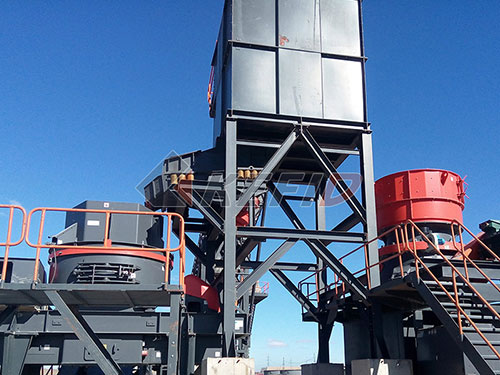
The Cameroon 200tph granite crushing line was designed to process raw granite into high-quality aggregates for road construction, sản xuất bê tông, và ứng dụng kiến trúc. Located in a resource-rich region, the project prioritizes efficiency, tuân thủ môi trường, and adaptability to local conditions. objectives included:
- High Production Capacity: Achieving a steady output of 200tph to meet large-scale infrastructure needs.
- Optimal Resource Utilization: Minimizing waste through advanced crushing and screening processes.
- Bảo vệ môi trường: Implementing dust suppression and noise reduction technologies.
Equipment Configuration and Workflow
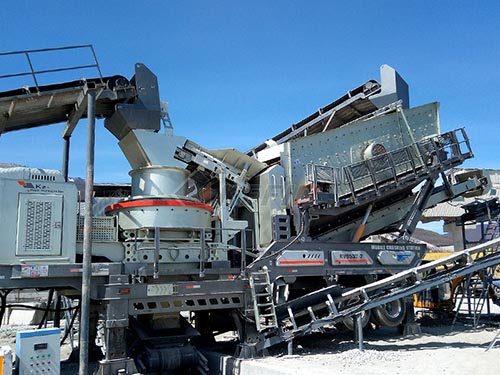
The crushing line integrates robust machinery tailored for granite’s hardness and abrasiveness. Cấu hình bao gồm:
1. Nghiền sơ cấp: Máy nghiền hàm hạng nặng (ví dụ., PE750×1060) reduces raw granite blocks (<630mm) to ≤150mm particles. Its high crushing ratio ensures efficient initial size reduction.
2. Nghiền thứ cấp: Máy nghiền hình nón thủy lực (ví dụ., HPT300) further processes materials into ≤40mm intermediate products while maintaining low wear costs.
3. Tertiary Crushing and Screening: Màn hình rung nhiều tầng (ví dụ., 3YZS2160) classifies materials into 0-5mm, 5-10mm, 10-20mm, và thông số kỹ thuật 20-40mm. Oversized particles are recirculated through a vertical shaft impact crusher (MỌI NGƯỜI) for precise shaping.
This three-stage process ensures uniform particle size distribution and enhances product quality for diverse applications.
Vượt qua thử thách
The project faced several challenges inherent to Cameroon’s operational environment:
1. Hạn chế về cơ sở hạ tầng: Remote locations necessitated modular equipment designs for easier transportation and assembly.
2. Power Supply Instability: Diesel generators were incorporated as backup systems to ensure uninterrupted operations during grid outages.
3. Dust and