
Nhà máy nghiền tổng hợp

An Aggregate Crushing Plant is a facility designed to process raw materials like rocks, cát, and gravel into various sizes of aggregate used in construction, xây dựng đường, và các dự án cơ sở hạ tầng khác. Here’s a breakdown of its key components and processes:
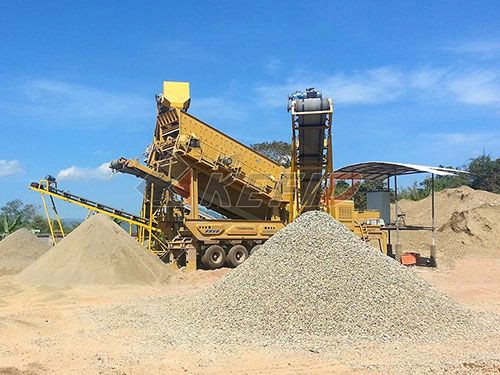
1. Components of an Aggregate Crushing Plant
- Máy nghiền sơ cấp:
- Breaks down large rocks (ví dụ., hàm hàm, gyratory crusher).
- đầu ra: Coarse aggregates (ví dụ., 150–50 mm).
- Máy nghiền thứ cấp:
- Further reduces material size (ví dụ., máy nghiền hình nón, máy nghiền tác động).
- đầu ra: Medium aggregates (ví dụ., 50–20 mm).
- Máy nghiền bậc ba/bậc bốn:
- Produces fine aggregates or sand (ví dụ., máy nghiền VSI).
- đầu ra: 20–5 mm or smaller.
- Thiết bị sàng lọc:
- Màn hình rung tách vật liệu nghiền thành các kích cỡ khác nhau.
- Conveyor Belts:
- Transport material between stages.
- Hệ thống rửa (không bắt buộc):
- Remove dirt/clay (for high-quality sand/gravel).
- Storage Bins/Silos:
- Hold finished products before shipment.
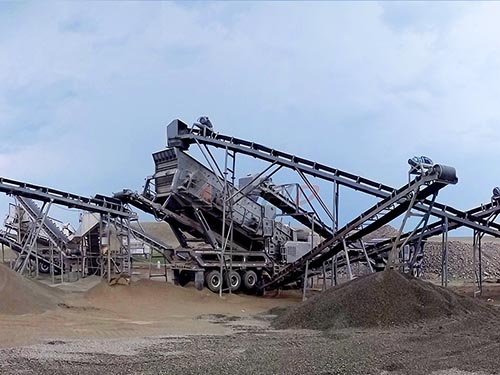
2. Types of Aggregates Produced
- cốt liệu thô (>4.75 mm): Used in concrete mixes, nền đường.
- Cốt liệu mịn (<4.75 mm): Sand for mortar, nhựa đường.
- Specialty Aggregates: Railway ballast, drainage stones.
3. Luồng quy trình
1. cho ăn: Raw material dumped into a hopper.
2. Nghiền: Multi-stage reduction (tiểu học → trung học → đại học).
3. Sàng lọc: Sized via vibrating screens; oversize recirculated.
4. giặt (nếu cần): Removes impurities.
5. Dự trữ: Sorted aggregates stored for dispatch.
4. Key Considerations
- Độ cứng vật liệu: Dictates crusher type (ví dụ., jaw for granite, impact for limestone).
- Dung tích: Ranges from small portable plants (100 TPH) to large setups (1000+ TPH).
- Kiểm soát môi trường: Dust suppression, rào cản tiếng ồn, tái chế nước.