
Sustainable Slag Crusher Plant Factories

1. PAINPOINT DRIVEN OPENING
Managing slag is a critical yet costly bottleneck in modern metal production and recycling. Inefficient processing directly impacts your bottom line through equipment wear, lost revenue from unrecovered metallics, and escalating disposal costs. Are you facing these persistent challenges?
High Abrasion Costs: The extreme abrasiveness of slag rapidly degrades standard crusher components, leading to frequent downtime for liner changes and rotor repairs, costing thousands in parts and lost processing hours.
Metallics Recovery Inefficiency: Ineffective liberation of trapped metal beads from the slag matrix means valuable material is sent to waste, representing a direct loss of potential revenue.
Unpredictable Feed & Clogging: Variable slag feed size, moisture content, and the presence of tramp metal can cause frequent jams and unscheduled stoppages, disrupting your entire downstream workflow.
Dust & Noise Compliance: Processing generates significant dust and noise, creating environmental and health challenges that require costly secondary containment systems to meet regulatory standards.
High Operational Complexity: Equipment that requires constant adjustment and skilled monitoring increases labor costs and the potential for operator error.
A sustainable operation requires a processing solution engineered specifically for these rigors. How do you achieve higher throughput with lower operating costs and maximized resource recovery?
2. PRODUCT OVERVIEW
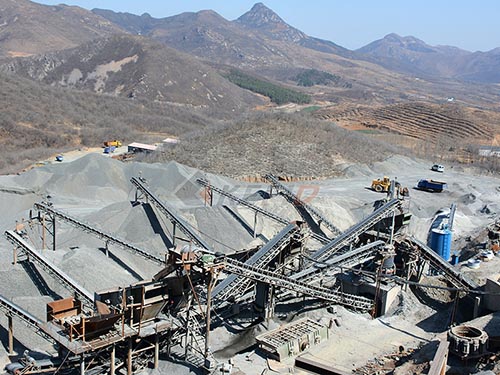
The Sustainable Slag Crusher Plant is a heavyduty, integrated processing system designed for the primary and secondary crushing of aircooled or granulated blast furnace (BF) slag and steel slag. It transforms variable feed material into precisely graded aggregates for use in construction or prepares it for further metallic recovery.
Operational Workflow:
1. Feed & PreScreening: Incoming slag is fed via apron feeder to a scalping screen, removing fine fractions (10mm) to bypass unnecessary crushing.
2. Primary Crushing & Liberation: Oversize material enters a robust jaw crusher or impact crusher for initial size reduction, effectively fracturing the slag matrix to liberate embedded metallics.
3. Metallic Separation: Crushed material passes over an overhead magnetic separator, extracting ferrous metal for recycling revenue.
4. Secondary Crushing & Grading: The remaining material is conveyed to a secondary cone or impact crusher for final sizing, then to screening decks to produce saleable aggregate fractions (e.g., 05mm, 510mm, 1020mm).
5. Dust Suppression: An integrated water spray system at transfer points controls dust emissions throughout the process.
Application Scope & Limitations:
Scope: Ideal for integrated steel plants, smelters, standalone slag processing yards, and aggregate producers handling BF slag, steel slag, and nonferrous slags. Capable of processing feed sizes up to 800mm.
Limitations: Not designed for primary metal shredding or processing of raw ore. Feed material with excessive claylike moisture may require predrying. Maximum hardness should not exceed that of typical slags (Mohs 78).
3. CORE FEATURES
Hardox Lined Hopper & Feeders | Technical Basis: Abrasionresistant steel plate construction | Operational Benefit: Withstands impact from large, sharp slag pieces with minimal deformation or wear | ROI Impact: Reduces replacement cycle by up to 300%, lowering longterm capital expenditure on structural components.
HighStrength Rotor with Disc Design | Technical Basis: Forged rotor discs with bolton wear parts | Operational Benefit: Provides exceptional moment of inertia for stable crushing of dense slag; allows for individual replacement of wear parts | ROI Impact: Cuts maintenance downtime by up to 40% compared to welded rotor designs.
Hydraulic Adjustment & Clearing | Technical Basis: Mechanically simple hydraulic cylinders for gap setting and uncrushing | Operational Benefit: Enables quick adjustment of product grading without stopping the plant; clears blockages in minutes versus hours | ROI Impact: Increases plant availability by an estimated 35%, translating directly to higher annual tonnage.
Integrated MultiStage Magnetic Separation | Technical Basis: Overband selfcleaning magnet followed by drum magnet on final product conveyor | Operational Benefit: Maximizes recovery of ferrous metallics at multiple stages postcrushing | ROI Impact: Turns waste into revenue; field data shows recovery rates exceeding 98% of liberated metal.

Enclosed Conveying with Spray System | Technical Basis: Dusttight conveyor covers paired with solenoidcontrolled water spray nozzles at transfer points | Operational Benefit: Actively suppresses airborne particulate at the source | ROI Impact: Minimizes investment in external bag houses and reduces water consumption by over 60% versus manual spraying.
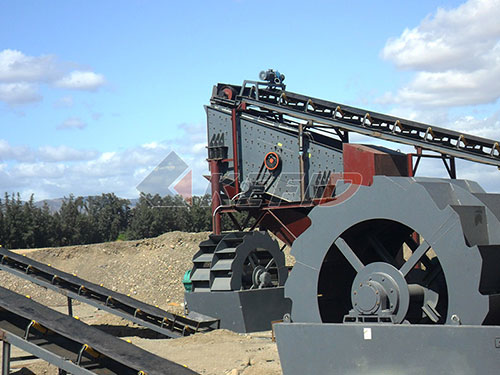
Centralized Greasing & Vibration Monitoring | Technical Basis: Automated lubricant delivery to key bearings; triaxial sensors on crushers and screens | Operational Benefit: Ensures optimal bearing life; provides early warning of mechanical imbalance or impending failure | ROI Impact: Prevents catastrophic bearing failures, reducing unplanned downtime by up to 25%.
Modular SkidMounted Design (Optional) | Technical Basis: Preassembled plant sections on heavyduty skids | Operational Benefit: Dramatically reduces civil works and installation time on site | ROI Impact: Can reduce total project commissioning time by weeks, accelerating timetorevenue.
4. COMPETITIVE ADVANTAGES
| Performance Metric | Industry Standard Solution | Sustainable Slag Crusher Plant Solution | Advantage (% Improvement) |
| : | : | : | : |
| Liner Wear Life (Primary Crusher) | Manganese Steel Liners (400500 hrs)| Hardox / Ceramic Composite Liners (1,2001,500 hrs)| ~200% Longer Life |
| Metallic Recovery Rate (% Ferrous)| Singlestage Overband Magnet (~92%)| Twostage Magnetic Separation Circuit (>98%)| ~6% More Revenue Capture |
| Unplanned Downtime (Annual Hours) due to blockages/mechanical failure| Estimated 120150 hours/year| Estimated <80 hours/year with hydraulic clearing/monitoring| >33% Reduction |
| Throughput Consistency (Tonnage/hr variance)| +/15% due to feed variation/clogging| +/5% due to optimized flow design/control systems| ~67% More Stable Output |
| Dust Emission at Transfer Points (mg/m³)| >50 mg/m³ without suppression|60% Reduction |
5. TECHNICAL SPECIFICATIONS
Processing Capacity: Configurable from 50 TPH to over 400 TPH.
Feed Size Max: Up to 800mm (dependent on model).
Final Product Sizes: Adjustable from 05mm sand up to 40mm aggregate.
Power Requirement: Total installed power ranges from approximately 250 kW (for basic setups) up to >800 kW (for highcapacity plants).
Key Material Specifications:
Crusher Liners/Wear Parts: Hardox®/Trellex® or equivalent highabrasion alloys.
Conveyor Belting: ST1000+ rated multiply belts with abrasionresistant covers.
Structural Steelwork:S355JR grade minimum.
Screen Decks:Piano wire or polyurethane panels depending on application.
Physical Dimensions (Example MidRange Plant): Approx. Length x Width x Height =35m x18m x12m
Environmental Operating Range: Designed for ambient temperatures from 20°Cto +45°C; dust suppression system effective upto80% relative humidity.
6. APPLICATION SCENARIOS
Integrated Steel Plant Slag Yard Recycling
Challenge:A major steel producer faced escalating landfill costsfor processedslagand neededto improve metallic yieldfrom their existing aging crushers.Solution:A turnkey Sustainable Slag Crusher Plant was installed parallelto their existing line,focusedon secondary crushingand highefficiency magnetic separation.The new plant featured our twostage magnetic separation circuitand modular skid designfor rapid deployment.Results: Achieveda99% recovery rateof liberated metallics,increasing annual scrap revenueby$450k.Reducedlandfill volume by65%, saving$220k annuallyin tipping fees.Plant was commissionedin11 weeks due tomodular design.
Independent Construction Aggregate Producer
Challenge:Aggregate producer sought todiversify product linebyprocessing purchasedsteel slaginsteadof naturalgranite,but was concernedabout equipment durabilityand product consistency.Solution:A midcapacity Sustainable Slag Crusher Plantwith Hardoxlined componentsand precise hydraulic adjustmentfor final gradingwas supplied.Results: The plant produceshighqualityslagaggregate meeting local road base specifications.Wear part life matchedthat oftheircurrent granitecrushers,doubling initial projections.Product consistencyallowed themtosecure alongterm supply contractwith areadymix concrete company,increasing overall site profitabilityby18%.
7.COMMERCIAL CONSIDERATIONS
Equipment pricing is structured around capacityand configuration complexity:
• Base Tier(50100TPH): Includes corecrushing circuit,basic magnetic separation,and dust control.Ideal forsiteswith lower volumeor pilot projects.• Performance Tier(150300TPH): Most common configuration.Includes all core featureslisted above(highstrength rotors,twostage magnets,vibration monitoring).Suitable formoststeel plantsand dedicated processors.• HighCapacity Tier(400+TPH): Fully automatedplantswith advanced control systems,belt scales,and expanded modularity.For largescale operationsrequiring maximum uptime.
Optional Features:
• Automated Metal Detection& Tramp Removal System• Advanced Process Control(APC)Software Package• Onboard Power Generation Package• ExtendedWear Part Warranty Packages
Service& Financing:
• Comprehensive service packagesare available,rangingfrom annual inspectionsto fullsite operation& maintenance contracts.• Financing optionsinclude equipment leasing,tailored rentaltoown agreements,and project financing supportthrough partner institutions.
8.FAQ
Q1:What typesof slagsis this plant most effectivefor?
A1:The plantis engineered specificallyforthe highabrasion characteristicsof aircooled Blast Furnace(BF)slagand basic oxygen furnace(BOF)/electric arc furnace(EAF)steel slags.It can also process some nonferrous slags,but we recommend aconsultationtoreview specificmaterial propertiesfirst.
Q2:Canyourplant be integratedinto our existingmaterial handlingflow?
A2 Yes.Modular design allows usto interfacewith your currentfeed systems(conveyors,truck dump hoppers)and dischargeinto existing screeningor stockpiling lines.Control system integrationis standard practice
Q3:Whatisthe expected operational costperton processed?
A3 Cost perton variesbasedon local power rates,labor,and feed characteristics.Field datafrom similar installationsshows operational costs(excluding labor)typically rangingbetween$0 .85$1 .25perton when factoringpower,wears parts,and routine maintenance
Q4 Howlongdoesinstallation typically take?
A4 Foraskidmounted modularplant onsite installation,cabling,and commissioningtypically requires4–6weeks following deliveryof all modules.This significantly reducesdisruptioncomparedtoconventional foundationbased builds
Q5 Whatkindoftrainingis providedforour operators?
A5 We provide comprehensiveonsite trainingcovering safe operation,routine maintenance procedures,troubleshooting basics,and control system use.Training documentationincludes detailed manualsand video resources
Q6 Are spare parts readily availableglobally?
A6 We maintainacentralized global inventoryof critical wear parts.Common consumable itemslike liner platesare stockedregionallyto ensure lead timesof under72hours formost customers
Q7 Do youofferperformance guarantees?
A7 Yes.We provideguaranteeson minimum throughputcapacityunder defined feed conditions,wears part life expectancybasedon agreed material analysis,and metallic recovery ratesThese are detailed inthe commercial proposal