
Sustainable 250 300tph Stone Crushing Plant Datasheet

1. PAINPOINT DRIVEN OPENING
Are you managing a midtolarge scale aggregate operation and facing the constant pressure to balance highvolume output with operational stability? The challenges of a 250300tph stone crushing plant are significant. Unplanned downtime from equipment failure can cost thousands per hour in lost production and idle labor. Inconsistent feed material leads to fluctuating final product gradation, causing rejections and compromising contract compliance. Rising energy costs directly erode profit margins on every ton produced. Furthermore, meeting stringent environmental regulations on dust and noise adds complexity and capital expense. Are these issues impacting your bottom line? How do you achieve reliable, hightonnage production while controlling operational costs and ensuring plant longevity? The solution lies in a fundamentally robust and intelligently engineered crushing plant design.
2. PRODUCT OVERVIEW
This datasheet details a complete stationary 250300tph stone crushing plant engineered for granite, basalt, limestone, and other hard rock applications. It is a multistage processing system designed for continuous, highvolume production of highquality aggregates (05mm, 510mm, 1020mm, 2031.5mm).
Operational Workflow:
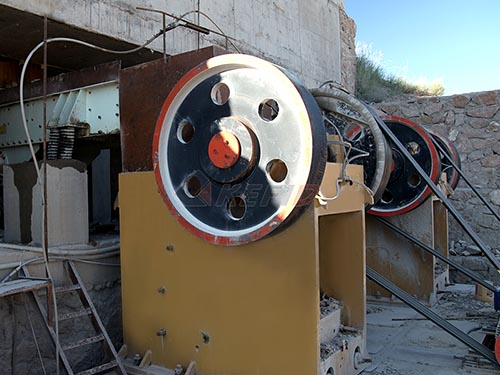
1. Primary Crushing: Dump trucks feed material into a largecapacity vibrating grizzly feeder which removes fines before directing oversize to a heavyduty jaw crusher for initial size reduction.
2. Secondary & Tertiary Crushing: The primary crushed material is conveyed to a cone crusher for secondary reduction. A subsequent cone crusher or impact crusher (depending on material abrasiveness and product shape requirements) performs tertiary crushing.
3. Screening & Classification: Material is routed through multipledeck vibrating screens to precisely separate it into specified product sizes.
4. Material Handling & Stockpiling: Onspec aggregates are conveyed to designated stockpiles via radial stackers or fixed conveyors, while oversize material is recirculated back to the appropriate crusher.
Application Scope: Ideal for large quarry operations, major infrastructure project support (highways, railways), and commercial concrete/asphalt plant feed. Limitations: Not suitable for portable or skidmounted applications; requires stable foundation and substantial upfront civil works.
3. CORE FEATURES
Intelligent Feed Control System | Technical Basis: Variable Frequency Drive (VFD) on feeder with level sensors | Operational Benefit: Maintains optimal chokefeed condition for crushers, preventing empty running and cavity flooding | ROI Impact: Up to 15% reduction in energy consumption per ton and ~10% increase in liner life.

Centralized Dust Suppression Envelope | Technical Basis: Encapsulated transfer points with strategically placed fog cannons & bag filters | Operational Benefit: Contains dust at source across entire flow path, ensuring compliance and improving site visibility/worker health | ROI Impact: Mitigates regulatory fines and reduces cleanup labor by an estimated 30%.
HighEfficiency Crushing Chamber Design | Technical Basis: Laminated crushing principle with optimized kinematics in jaw and cone crushers | Operational Benefit: Generates more interparticle crushing for improved product shape (higher cubicity) and increased yield of premium fractions | ROI Impact: Higher market value for crushed products and reduced waste.
PLCBased Automated Process Logic | Technical Basis: Programmable Logic Controller with HMI touchscreen monitoring crusher load, conveyor speeds, and screen efficiency | Operational Benefit: Allows singleoperator oversight of entire plant flow; automatic adjustments prevent overloads and blockages | ROI Impact: Reduces operational staffing requirements by up to 2 FTE per shift while increasing system availability.
Modular Maintenance Access Design | Technical Basis: Hydraulic adjustment & setting release systems on crushers; walkin platforms around all major components | Operational Benefit: Enables faster liner changes, routine inspections, and component replacement with standard tools | ROI Impact: Cuts planned maintenance downtime by up to 40%, directly increasing annual production hours.

HeavyDuty Conveyor Specification | Technical Basis: CEMA Class IV idlers with impact beds at loading zones; vulcanized belt splices | Operational Benefit: Eliminates premature belt wear at transfer points, drastically reducing belt failure risk—a leading cause of unplanned stoppage | ROI Impact: Extends mean time between failures (MTBF) for conveying system by over 50%.
4. COMPETITIVE ADVANTAGES
| Performance Metric | Industry Standard (250300tph Plant) | This Sustainable Stone Crushing Plant Solution | Advantage (% Improvement) |
| : | : | : | : |
| Overall System Availability | ~85% 88% (Seasonal) |> 92% (Annual Target) |> +5% to +8% |
| Energy Consumption per Tonne Crushed| ~1.8 2.1 kWh/t |> 1.6 1.7 kWh/t |> ~10% Reduction |
| Total Cost of Ownership (5Year Projection)| Baseline |> 1520% Lower |> Direct Cost Savings |
| Product Shape (% Cubical Content)| Varies Widely (~6575%) |> Consistent > 78% |> Higher Premium Product Yield |
| Noise Emission at Property Line| Often >75 dB(A) |> Controlled < 70 dB(A) |> Easier Permitting & Community Relations |
_Based on field data from comparable installations using similar granite feed material._
5. TECHNICAL SPECIFICATIONS
Designed Throughput Capacity: 250 300 metric tons per hour (tph), depending on feed material hardness (<180 MPa recommended), size distribution (<750mm), and required product gradation.
Total Connected Power: Approximately 550 650 kW.
Key Material Specifications:
Primary Crusher Feed Size Max.: ≤750mm
Final Product Sizes: Configurable from 05mm sand up to 31.5mm aggregate.
Conveyor Belt Width/Speed: Main conveyors typically B1000mm width @1.6m/s.
Physical Footprint (Approx.): Length ~120m x Width ~65m (excluding stockpile areas). Requires detailed civil foundation engineering.
Environmental Operating Range: Designed for ambient temperatures from 20°C to +45°C with appropriate lubrication systems; standard dust suppression rated for conditions up to 85% relative humidity.
6. APPLICATION SCENARIOS
Large Quarry Expansion Project
Challenge: A regional quarry needed to increase output from 200tph to over 280tph reliably to fulfill a new highway contract but faced space constraints and strict new county noise ordinances.
Solution: Implementation of this compactly designed multistage stone crushing plant featuring soundinsulated enclosures around key equipment like the secondary/tertiary crushers.
Results: Achieved consistent throughput of ≥290tph while passing compliance noise audits (<70dB at site boundary). The automated control system allowed management of the increased throughput without adding shift personnel.
Integrated Concrete Producer
Challenge: A vertically integrated concrete company operating its own limestone quarry experienced high maintenance costs from abrasive wear on tertiary stage equipment and inconsistent sand yield affecting mix designs.
Solution: Installation of this plant configuration featuring a tertiary cone crusher specifically selected for abrasive rock with a specialized chamber profile.
Results: Tertiary crusher manganese liner life increased by approximately two weeks per set under identical conditions due to optimized feed from preceding stages combined with chamber design.The consistent gradation curve improved sand yield stability by ±3%, leading directly to more predictable concrete batch quality.
7.COMMERCIAL CONSIDERATIONS
A sustainable stone crushing plant represents a significant capital investment designed for longterm returns.
Equipment Pricing Tiers:
Base Configuration includes primary jaw crusher feeder station secondary cone tertiary impactor basic screening structure conveyors electrical control panel
Enhanced Configuration adds automated grease systems centralized lubrication advanced PLC automation package upgraded dust suppression bag filter units
Turnkey Premium Configuration includes full civil works design support erection commissioning supervision training extended commissioning period
Optional Features include metal detection tramp iron relief systems automatic sampler units remote monitoring telematics packages water recycling systems
Service Packages are offered as annual preventative maintenance contracts including scheduled inspections parts discounts priority technical support
Financing Options available through partner institutions include traditional equipment leasing longterm loans or powerbythehour style performancebased agreements where service costs are bundled
FAQ
What type of electrical supply is required?
The complete plant typically requires a mediumvoltage connection (~10kV) feeding into a dedicated transformer substation due to the total connected load (~550650kW). Detailed power requirements are provided during the project engineering phase.
How does this setup handle wet or sticky feed material?
The vibrating grizzly feeder deck can be equipped with heating elements or special liners We also recommend screen deck heating systems as an option These features prevent material buildup ensuring consistent flow during cold or damp conditions
What is the expected timeframe from order placement to commissioning?
For a standard configuration lead time is typically months following detailed engineering For turnkey projects including civil works total project duration generally ranges from months subject to sitespecific conditions
Are spare parts readily available?
Yes Critical wear parts like mantles concaves jaw plates are standardized items held in regional inventory Standard mechanical electrical components use globally available bearings seals motors drives minimizing procurement delays
Can this plant be reconfigured later if my product requirements change?
Yes The modular design allows for future modifications such as adding an extra screen deck integrating a different tertiary crusher type or rerouting conveyors Engineering support is provided for such upgrade projects