Thërrmues rëre

The Unsung Hero of Modern Construction: Demystifying the Sand Crusher
In the bustling world of construction and infrastructure development, towering cranes and heavy excavators often steal the spotlight. Megjithatë, quietly powering the very foundations of our built environment lies a critical piece of equipment: the Sand Crusher. Often overlooked but indispensable, this machine plays a pivotal role in transforming raw rock into the essential building blocks of progress – manufactured sand (M-Rërë).
Why Manufactured Sand? Forca lëvizëse
The demand for high-quality sand is insatiable, driven by concrete production, përzierjet e asfaltit, plastering, dhe aplikacione të tjera të panumërta. Traditionally reliant on riverbed mining, this practice has exacted a heavy toll:
1. Environmental Degradation: Riverbank erosion, habitat destruction, altered water flow.
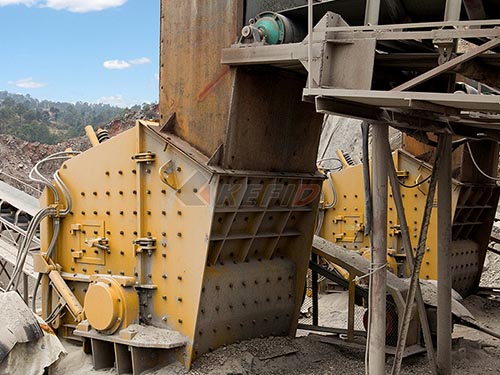
2. Shkarkimi i burimeve: Finite natural deposits are rapidly dwindling.
3. Quality Inconsistency: Natural sand varies greatly in composition and gradation.
4. Logjistike & Regulatory Hurdles: Sourcing and transporting river sand is increasingly difficult and restricted.
Enter manufactured sand – a sustainable and high-performance alternative produced by crushing hard rocks like granite or basalt using specialized machinery: Sand Crushers.
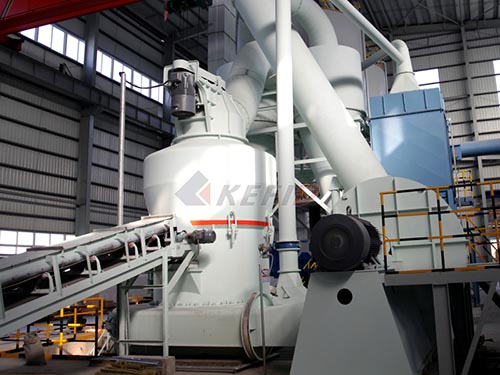
How Does a Sand Crusher Work? Precision Engineering at its Core
A Sand Crusher isn't just any rock breaker; it's engineered specifically to produce cubical particles within precise size ranges suitable for replacing natural sand:
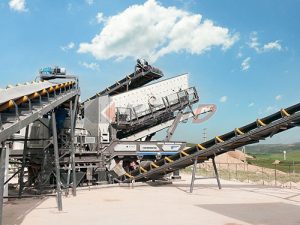
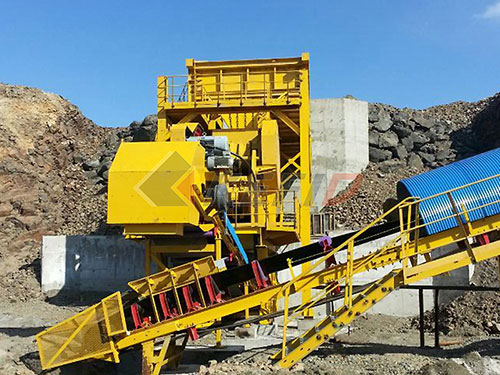
1. Thërrmimi primar: Large rocks are initially reduced by jaw crushers or gyratory crushers.
2. Thërrmimi sekondar: Cone crushers further reduce size and shape the aggregate.
3. Zemra: Tertiary/Quaternary Stage (Marrja e rërës): This is where dedicated sand crushers shine:
Ndikuesit e boshtit vertikal (TË GJITHË): The most common type for high-quality M-Sand. Rocks are fed into a rapidly rotating rotor equipped with wear-resistant tips (kudhërat). Material is flung against stationary anvils or rock shelves within the crushing chamber ("shkëmb mbi shkëmb" ose "rock-on-steel"). This intense impact shatters rocks along natural fissures, producing highly cubical particles while minimizing flaky grains.
High-Speed Cone Crushers: Configured with specific liners and settings to produce finer fractions suitable for sand.
Thërrmues Roll: Sometimes used for specific applications requiring controlled particle size reduction.
Advantages of Sand