
Slag Crusher Plant Maker Procurement

1. PAINPOINT DRIVEN OPENING
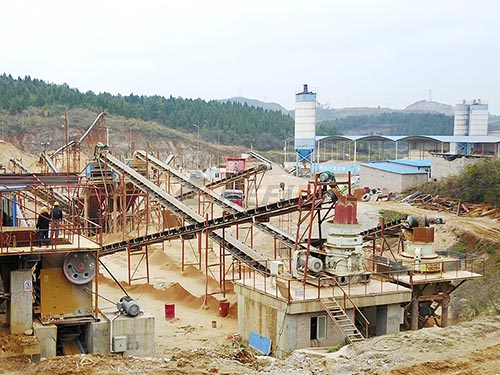
Managing slag is a persistent bottleneck with significant hidden costs. Are you facing these operational challenges?
Unreliable Throughput & Downtime: Inconsistent crusher performance creates pileup, halting upstream processes and delaying material recovery. Every hour of unplanned downtime directly impacts your bottom line.
Excessive Wear & Maintenance Costs: The abrasive nature of slag rapidly degrades standard crushing components, leading to frequent part replacements, high labor costs for maintenance, and unpredictable repair budgets.
Poor Final Product Quality: Inconsistent grain size distribution and contamination from uncrushed metallic content reduce the market value of your recovered material, turning potential profit into a handling expense.
High Operational Complexity: Does your current setup require excessive presorting, manual intervention, or multiple processing stages to achieve a usable product?
What if your slag handling system could be a predictable, profitcontributing segment of your operation?
2. PRODUCT OVERVIEW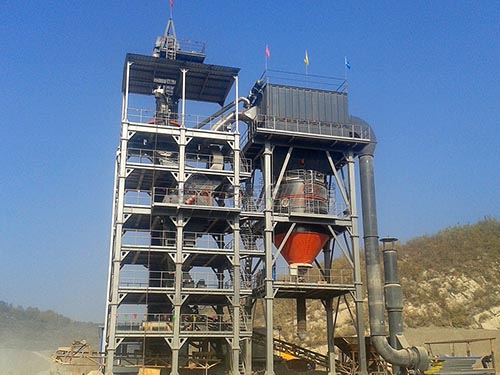
A modern Slag Crusher Plant is a turnkey processing system engineered specifically for the size reduction and liberation of metallic content from furnace slag. It transforms raw, dumped slag into valuable, sized aggregate and clean scrap metal.
Operational Workflow:
1. Primary Crushing: Large slag chunks (up to 1000mm) are reduced via a robust jaw crusher or impactor.
2. Magnetic Separation: Overband or drum magnets extract liberated ferrous metal during transfer.
3. Secondary Crushing & Screening: A cone crusher or further impactor refines the material, which is then screened into precise product fractions (e.g., 05mm, 520mm).
4. Final Metal Recovery: A second magnetic separation stage ensures maximum metal recovery from the final product stream.
Application Scope: Ideal for steel plants, foundries, smelters, and standalone slag processing yards handling blast furnace (BF) slag, steel furnace slag, and nonferrous slags.
Limitations: Not designed for primary mining of virgin rock; feed material should be free of extraneous debris like soil or large tramp metal beyond system design limits.
3. CORE FEATURES
HeavyDuty Vibrating Feeder | Technical Basis: Controlled volumetric flow with adjustable grizzly section | Operational Benefit: Regulates feed to prevent crusher choking and removes fine bypass material | ROI Impact: Reduces crusher idling by up to 15% and minimizes wear on primary crushing chamber
Manganese Steel Crusher Jaws/Liners | Technical Basis: Workhardening alloy steel composition | Operational Benefit: Components gain hardness during operation, resisting abrasive wear from slag | ROI Impact: Extends service life by 3040% over standard materials, reducing part change frequency and inventory cost
Integrated Magnetic Separation Circuit | Technical Basis: Permanent magnet or electromagnetic systems at critical transfer points | Operational Benefit: Continuous, automated recovery of ferrous scrap directly within the crushing process | ROI Impact: Captures 98%+ of liberated metal, creating a separate revenue stream and protecting downstream equipment
Centralized PLC Control System | Technical Basis: Automated process sequencing with motor load monitoring | Operational Benefit: Enables singleoperator control, provides diagnostics, and prevents equipment damage due to overloads | ROI Impact: Lowers labor requirements and reduces risk of catastrophic failure from tramp events
Modular SkidMounted Design | Technical Basis: Preassembled structural frames for key plant sections | Operational Benefit: Significantly reduces civil work and onsite assembly time during installation or relocation | ROI Impact: Cuts installation costs by an average of 25% and minimizes production loss during plant commissioning
Dust Suppression System | Technical Basis: Strategically placed spray nozzles with solenoid control | Operational Benefit: Effectively controls dust at feed and discharge points without overwetting product | ROI Impact: Ensures compliance with site environmental standards and improves operator working conditions
4. COMPETITIVE ADVANTAGES
| Performance Metric | Industry Standard (Basic Plant) | Our Slag Crusher Plant Solution | Advantage (% improvement) |
| : | : | : | : |
| Metal Recovery Rate (Ferrous) | 8590% (singlestage magnet) | >98% (dualstage optimized circuit)| +813% more recovered tonnage |
| Liner/Jaw Service Life (in BF Slag) | ~40,000 MT crushed per set| ~60,000 MT crushed per set| +50% longer operational runtime |
| Total Power Consumption per Ton Processed| Baseline (100%)| Optimized drive & motor sizing reduces draw under variable load| 10 to 15% energy cost |
| Average Installation & Commissioning Time| 68 weeks for fixed foundation plants| 34 weeks for skidmounted modules| ~50% faster timetooperation |
5. TECHNICAL SPECIFICATIONS
Processing Capacity: Configurable from 50 TPH to over 300 TPH.
Feed Size: Accepts lump slag up to 1000mm edge length.
Final Product Sizes: Adjustable via screen changes; typical ranges include 05mm sand substitute and 520mm/2040mm aggregate.
Power Requirements: Plantwide requirement from 150 kW to 600 kW depending on configuration; supplied at 415V/50Hz or as per regional standard.
Key Material Specifications: Primary crusher jaws/secondary liners in Mn18Cr2 or equivalent; structural frames in S355JR steel; conveyor belts with high abrasionresistant covers (HR rating).
Physical Dimensions (Typical Skid): Primary crushing module approx. L12m x W4m x H5m.
Environmental Operating Range: Designed for ambient temperatures from 20°C to +45°C; dust suppression system maintains operation within particulate emission limits.
6. APPLICATION SCENARIOS
Integrated Steel Plant Slag Yard Recycling
Challenge: A major steel producer faced escalating landfill costs for dumped slag and needed to recover highpurity scrap for furnace charge while producing saleable aggregate.
Solution: Implementation of a turnkey Slag Crusher Plant with dual magnetic separation stages installed at the existing slag dump site.
Results:
Recovered scrap metal purity increased to >96%, suitable for direct furnace reuse.
Produced over 250,000 tons annually of certified construction aggregate.
Achieved full return on investment in under two years via eliminated tipping fees and new product revenue.
Independent Slag Processing Contractor
Challenge: A processing contractor’s mobile equipment suffered high breakdown rates when processing varying slag types from different clients, leading to missed contract deadlines.
Solution: Procurement of a semimobile Slag Crusher Plant on skids with quickdisconnect electricals and hardened components designed for mixedslag abrasiveness.
Results:
Plant availability increased from ~75% to over 92%.
Enabled rapid site relocation within one week between contracts.
Reduced maintenance labor costs by an estimated $45k annually.
7. COMMERCIAL CONSIDERATIONS
Our Slag Crusher Plants are offered in three primary tiers:
1. Standard Configuration Tier ($): Includes core crushing circuit with basic magnetic separation (single stage), mechanical drives,and local control panels. Best for consistent feed material with lower throughput requirements.
2. Optimized Performance Tier ($$): Recommended configuration featuring dual magnetic separation,a centralized PLC automation system,dust suppression,and premium abrasionresistant liners.Balances capital outlay with maximum operational efficiency.
3. HighCapacity Custom Tier ($$$): Engineeredtoorder plants exceeding standard capacities.Includes advanced features like automated metal sorting,batching systems,and comprehensive emission control systems.
Optional features include onboard power generation packages,tire shredders for feed preparation,and remote monitoring telematics.Service packages range from basic preventive maintenance plans to full annual operating contracts.Financing options including leasing structures are available through accredited partners,making capital expenditure manageable against predictable operational savings.
8. FAQ
Q1 Is this plant compatible with our existing conveyor system or mobile loaders?
A1 Yes.The plant’s feed hopper height can be adapted,and discharge conveyors can be specified to match your existing stockpiling layout.Field data shows integration typically requires minimal civil adjustment when planned in advance.
Q2 What is the expected operational impact on our current manpower?
A2 The centralized PLC control system is designed for singleoperator management.Most clients reassign personnel from manual sorting/supervision roles,making net headcount addition unnecessary while improving workforce safety.
Q3 How does pricing vary between stationary foundations versus skidmounted designs?
A3 The skidmounted design involves higher initial engineering but typically results in lower total installed cost due to reduced civil works.We provide both budgetary quotations based on your site assessment.The choice depends on required permanence versus future relocation needs.
Q4 What are the commercial terms regarding warranty?
A1 We offer a standard warranty covering manufacturing defects.The duration varies by component group.Critical wear parts like crusher liners have prorated warranties based on tonnage processed.Detailed terms are provided with each formal proposal.
Q5 Can you guarantee specific final product gradations?
A5 Yes,based on representative samples of your feedstock.We conduct labscale testing prior to finalizing screen deck specifications.This allows us to guarantee that the configured plant will produce within specified size envelopes under normal operating conditions