
Slag Crusher Plant Factory Moq
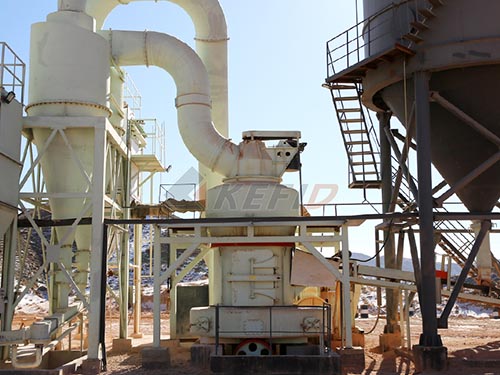

1. PAINPOINT DRIVEN OPENING
Managing slag is a persistent bottleneck with tangible costs. Are you facing these operational challenges?
Unreliable Throughput: Inconsistent feed size and hardness cause frequent jamming in primary crushers, leading to unplanned downtime that can cost thousands per hour in stalled downstream processes.
Excessive Wear & Maintenance Costs: The abrasive nature of slag rapidly degrades standard crushing components, resulting in high spare part consumption and laborintensive changeovers that strain maintenance budgets.
Inefficient Liberation of Valuable Metals: Incomplete crushing leaves metal trapped within slag aggregates, causing significant recoverable value to be lost in your waste stream.
Dust and Noise Compliance Issues: Open crushing operations generate substantial particulate matter and noise, creating environmental compliance risks and unsafe working conditions.
The core question is: how do you transform this problematic byproduct into a consistent, valuable aggregate while controlling operational expenses? A dedicated, engineered Slag Crusher Plant is the systematic answer.
2. PRODUCT OVERVIEW
A Slag Crusher Plant is a stationary or semimobile processing system engineered specifically for the size reduction and liberation of metallurgical slag. It transforms large, irregular slag dumps or hot slag pours into precisely graded aggregate for recycling or sale.
Operational Workflow:
1. Primary Crushing: Large slag feed (up to 1000mm) is reduced to a manageable size (150200mm) using a robust jaw crusher or impact breaker.
2. Secondary Crushing & Screening: Material is further reduced via a cone crusher or impact crusher and screened to separate out target fractions and liberated metals.
3. Tertiary Crushing (if required): For producing fine aggregates, a vertical shaft impactor (VSI) or fine cone crusher provides cubical shaping.
4. Metal Separation & Stockpiling: Magnetic separators extract ferrous metal for recovery. Graded aggregate is conveyed to designated stockpiles.
Application Scope: Integrated steel plants, copper/nickel smelters, foundries, and standalone slag processing yards.
Key Limitation: Plant configuration must be matched to feed material characteristics (abrasiveness, moisture content, metal percentage) and desired final product specifications.
3. CORE FEATURES
HeavyDuty Primary Crusher | Technical Basis: High manganese steel jaws with optimized nip angle | Operational Benefit: Handles large, irregular slabs without bridging; withstands extreme abrasion | ROI Impact: Reduces primary stage downtime by up to 40%, lowering labor costs for clearing blockages
Integrated Metal Recovery System | Technical Basis: Overband and drum magnetic separators at critical transfer points | Operational Benefit: Continuous extraction of ferrous metal directly from the crushed stream | ROI Impact: Turns waste into revenue; typical plants recover enough metal to offset operational power costs
Centralized Dust Suppression | Technical Basis: Nozzlebased fogging system at all major dust generation points (inlets, outlets, screens) | Operational Benefit: Maintains airborne particulate levels within OSHA/MSHA limits | ROI Impact: Mitigates risk of regulatory fines and reduces component wear caused by abrasive dust
PLCBased Control & Monitoring | Technical Basis: Programmable Logic Controller with HMI interface for automated sequencing and fault diagnostics | Operational Benefit: Enables singleoperator control; provides clear alerts for maintenance events like bearing temperature rise | ROI Impact: Optimizes power consumption and prevents catastrophic failures through predictive alerts

Modular SkidMounted Design | Technical Basis: Preassembled modules for crushers, screens, and conveyors on structural frames | Operational Benefit: Significantly reduces civil work and installation time onsite | ROI Impact: Cuts project commissioning time by up to 60%, accelerating timetoproduction
AbrasionResistant Conveying System | Technical Basis: Impact beds at loading points; vulcanized belt scrapers; AR steel liners in chutes | Operational Benefit: Dramatically extends belt and chute service life in highwear zones | ROI Impact: Reduces conveyor maintenance parts expenditure by an average of 35% annually
4. COMPETITIVE ADVANTAGES
| Performance Metric | Industry Standard (Basic Crushing Setup) | Our Slag Crusher Plant Solution | Advantage (% Improvement) |
| : | : | : | : |
| Availability / Uptime| 7580% due to frequent jams & wearrelated stops| Consistently exceeds 92% with designedin redundancies| +15% More productive hours |
| Tons per Hour per kW| Lower efficiency due to mismatched components & poor flow| Optimized circuit design matches load across all stages| +20% Better energy efficiency |
| Liner / Wear Part Life| Standard manganese steel in generic crushers| Applicationspecific alloy grades & chamber designs| +50% Longer service intervals |
| Metal Recovery Rate| Manual picking or singlestage magnetic separation| Multistage magnetic separation at optimal sizes| +30% More ferrous metal captured |
| Installation Timeline| Extensive field welding & assembly required| Pretested modular skids bolted together on foundation pads| 60% Faster commissioning |
5. TECHNICAL SPECIFICATIONS
Capacity Range: Configurable from 50 TPH to over 300 TPH.
Power Requirements: Total connected load typically between 150 kW 800 kW depending on configuration; supplied for 415V/3 Phase/50Hz or customerspecified voltage/frequency.
Material Specifications: Primary crusher jaws & liners in Mn18% or Mn22% steel; chute liners in AR400/AR500 steel; conveyor belts with high rip resistance (PIW>1000).
Physical Dimensions (Typical 150 TPH Plant): Approximate footprint of 40m (L) x 18m (W). Overall height ~12m. Designed with clear access lanes for maintenance.
Environmental Operating Range: Designed for ambient temperatures from 20°C to +45°C. Dust suppression system rated for control efficiency >90%. Acoustic enclosures available to reduce noise emissions below 85 dB(A) at operator stations.
6. APPLICATION SCENARIOS
Integrated Steel Plant Slag Yard Rehabilitation
Challenge: A major steel producer faced mounting legacy slag dumps occupying valuable land, with inconsistent manual crushing failing to meet aggregate sales contracts.
Solution: Installation of a turnkey 200 TPH Slag Crusher Plant featuring a primary impact breaker (for slab breaking), secondary cone crusher, tripledeck screen, and twostage magnetic separation.
Results: The plant processed over 1.2 million tons of legacy slag in the first two years. Metal recovery added significant revenue offsetting operational costs consistently achieving product gradation meeting national road base specifications.
Copper Smelter Tailings Reprocessing
Challenge:A smelter’s old tailings contained locked copper within granulated slag fragments below economic concentration grade using traditional methods.
Solution:A specialized Slag Crusher Plant configured with a highreduction ratio jaw crusher followed by a finesetting cone crusher was deployed specifically for liberation grinding circuit feed preparation
Results:The increased surface area from controlled crushing improved leach recovery rates by approximately eight percentage points This turned a liability site into an ongoing secondary revenue stream extending mine life economically
Mobile/Economy Foundry Operation
Challenge:A midsized foundry needed periodic processing of furnace slag but lacked space capital for permanent fixed installation requiring flexible costeffective solution
Solution:A semimobile Slag Crusher Plant on trailermounted skids featuring compact jawcrusher vibrating screen combination unit powered by onboard diesel generator
Results:The mobile unit could be deployed next to the furnace bay quarterly processing accumulated slag into usable foundry yard bedding material eliminating thirdparty disposal fees while providing internal aggregate supply
COMMERCIAL CONSIDERATIONS FOR SLAG CRUSHER PLANT SOLUTIONS
Equipment pricing tiers are structured around capacity robustness:
Economy Tier (50100 TPH): Focuses on core crushing screening functions ideal for lower volume intermittent use Standard electrical controls basic dust suppression
Standard Tier (100250 TPH): Includes full magnetic separation automated lubrication systems PLC control advanced dust suppression modular skid design This tier offers optimal balance performance total cost ownership representing most common selection commercial buyers
Premium Tier (250+ TPH): Incorporates redundancy critical components dual drive systems premium wear materials comprehensive acoustic enclosures remote monitoring capabilities designed maximum uptime largescale continuous operations
Optional Features:
Hot Slag Handling Kits special conveyors cooling systems
Automated Greasing Systems specific bearing points
Advanced Metal Detectors nonferrous metals stainless steels
Remote Telematics Package performance tracking predictive maintenance alerts
Service Packages:
1.Basic Warranty covering defects materials workmanship standard period months operation hours whichever comes first
2.Extended Support Plan including scheduled inspections spare parts discount priority technical support
3.FullService Maintenance Contract covering all planned unplanned maintenance labor parts ensuring guaranteed availability percentage fixed annual fee simplifying budget forecasting
Financing Options:
Direct purchase remains prevalent however leasing arrangements operating expense models project financing structures can be facilitated through partnered institutions particularly beneficial spreading capital expenditure aligning payment schedules project revenue generation timelines
FREQUENTLY ASKED QUESTIONS ABOUT SLAG CRUSHER PLANTS
Q1 Can your Slag Crusher Plant handle both aircooled lump slag granulated bead slag same system?
A Yes but plant configuration must account differences Hard lumpy feeds require robust primary jaw impact crushers Granulated bead feeds may bypass primary stage directly secondary tertiary crushing Screening stages are adjusted accordingly achieve desired product mix Consulting our engineering team your specific material mix essential right configuration.
Q2 How does plant manage tramp metal uncrushable material entering feed?
A Our standard design includes several protections Primary apron feeder can reverse discharge uncrushable item Hydraulic overload protection primary crusher allows momentary release pressure resetting Additionally optional metal detector conveyor can signal stop before damage occurs These layers significantly reduce risk catastrophic failure.
Q3 What typical lead time from order commissioning complete turnkey plant?
A For standard tier configurations lead time typically ranges six nine months This covers detailed engineering manufacturing factory testing disassembly shipment site erection commissioning Timelines vary based complexity customization current production schedule firm schedule provided upon project definition.
Q4 Are your plants compatible existing conveyor systems stockpile arrangements our site?
A Absolutely A key part our presale engineering assessment involves reviewing integrating proposed new crushing circuit into your existing material handling infrastructure We design transfer points heights discharge locations match your current layout minimizing required civil modifications additional equipment costs wherever possible.
Q5 What operator training provided ensure smooth running?
A We provide comprehensive training covering normal startup/shutdown sequences daily weekly maintenance checks basic troubleshooting using HMI interface safety procedures Training conducted both during commissioning via classroom sessions handson instruction Documentation includes detailed operation maintenance manuals electronic formats retained reference.
Q6 How do you determine correct capacity rating plant our needs?
A Capacity sizing based detailed analysis your historical future projected slag generation rates desired processing hours day week Required final product sizes percentages Our engineers calculate not just raw tonnage but overall system flow ensure balanced loading across all stages preventing bottlenecks underutilization specific equipment guaranteeing stated throughput sustainable basis.
Q7 What ongoing technical support available after commissioning?
A Support provided multiple channels includes dedicated phone/email support access original design engineers library installation commissioning documentation video guides We maintain extensive inventory common wear parts ensure rapid dispatch Furthermore our optional telematics package enables proactive monitoring alerting potential issues they cause downtime