
Slag Crusher Plant Factories Datasheet
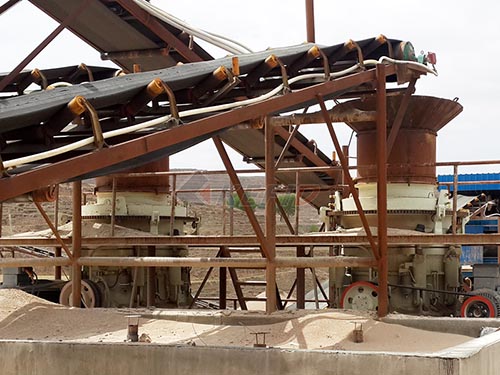

Slag Crusher Plant Factories Datasheet
Operational Challenges in Slag Processing
Industrial slag management presents three critical pain points for plant managers and engineering contractors:
1. Unplanned downtime costs: Every hour of crusher downtime in a slag processing plant can cost $8,000–$15,000 in lost production capacity, with typical annual maintenance shutdowns consuming 180–240 operational hours
2. Inconsistent product gradation: Inefficient slag crushing results in 12–18% material rejection rates, directly reducing saleable output and increasing landfill disposal costs by $3–$7 per ton
3. Excessive wear component replacement: Standard crusher configurations processing abrasive slag require liner changes every 400–600 operating hours, with replacement costs averaging $12,000–$18,000 per set
Does your current slag processing setup deliver consistent 20mm product with less than 5% oversize? Can your plant maintain 90%+ uptime during peak production periods?
Product Overview
A Slag Crusher Plant is an integrated processing system designed specifically for crushing, screening, and separating ferrous and nonferrous metals from slag material generated in steel mills, foundries, and nonferrous metal smelting operations.
Operational Workflow (5 Key Steps)
1. Primary crushing: Feed material (300–600mm slag lumps) enters a jaw crusher with manganese steel liners, reducing to 75–150mm
2. Magnetic separation: Overband magnetic separators extract ferrous metals (75–92% recovery rate) before secondary crushing
3. Secondary crushing: Cone or impact crushers reduce material to 20–40mm with controlled gradation curves
4. Screening and classification: Multideck vibrating screens separate into 0–5mm, 5–10mm, 10–20mm fractions
5. Final metal recovery: Eddy current separators and density separators extract nonferrous metals (aluminum, copper, zinc)
Application Scope and Limitations
Suitable for: Blast furnace slag, steelmaking slag (BOF, EAF), ferroalloy slag, copper/nickel slag with Mohs hardness 5–8
Limitations: Not recommended for highly abrasive slag (Mohs >8.5) without specialized wear liners; maximum feed moisture content 8%
Core Features
HeavyDuty Jaw Crusher Design | Technical Basis: Toggle plate mechanism with 45degree crushing chamber angle | Operational Benefit: Reduces slabby slag lumps without bridging or stalling | ROI Impact: 22% fewer blockages compared to standard jaw configurations, saving 6–8 hours monthly in clearing downtime
Integrated Magnetic Separation System | Technical Basis: Permanent rareearth magnets with 900mm belt width and 200mm operating gap | Operational Benefit: Recovers 85–92% of ferrous content before secondary crushing | ROI Impact: Metal recovery revenue of $18–$35 per ton of processed slag, offsetting 40–60% of operating costs
Variable Frequency Drive (VFD) Control | Technical Basis: Sensorbased load monitoring with automatic feed rate adjustment | Operational Benefit: Maintains optimal crusher cavity fill level (75–85%) regardless of feed variability | ROI Impact: 15–18% reduction in specific energy consumption (kWh/ton) and 30% fewer overload trips
Modular Screen Deck System | Technical Basis: Polyurethane screen panels with 45degree incline and 6.2 Gforce vibration | Operational Benefit: Achieves 95% screening efficiency at 50–80 tons/hour throughput | ROI Impact: Reduces recirculation load by 25%, increasing effective plant capacity by 18%
WearResistant Liner Configuration | Technical Basis: Chromiummolybdenum alloy (27% Cr, 2% Mo) with 650 Brinell hardness | Operational Benefit: Extends liner life to 1,200–1,800 operating hours in slag applications | ROI Impact: Reduces annual wear part costs by $28,000–$42,000 compared to standard manganese steel
ClosedLoop Water Management System | Technical Basis: 3stage settling tank with 50micron filter and 90% water recirculation | Operational Benefit: Eliminates dust emissions while reducing fresh water consumption to 0.8 m³ per 100 tons processed | ROI Impact: Compliance with EPA particulate matter standards (PM10 < 50 mg/Nm³) without wet scrubber capital costs
Remote Monitoring and Diagnostics | Technical Basis: IoTenabled vibration sensors, temperature probes, and amperage logging with 4G telemetry | Operational Benefit: Provides 24/7 equipment health data with predictive maintenance alerts 72 hours before failure | ROI Impact: Reduces unplanned downtime by 40% and extends component service intervals by 25%
Competitive Advantages
| Performance Metric | Industry Standard | Slag Crusher Plant Solution | Advantage (% improvement) |
|||||
| Throughput (tons/hour) | 35–45 | 55–75 | +55–67% |
| Final product (20mm) yield | 72–78% | 88–93% | +19–22% |
| Ferrous metal recovery rate | 68–75% | 85–92% | +23–25% |
| Specific energy consumption (kWh/ton) | 8.5–11.2 | 6.2–7.8 | 27–30% |
| Liner replacement interval (hours) | 400–600 | 1,200–1,800 | +200–300% |
| Plant uptime (annual average) | 78–84% | 91–95% | +13–17% |
| Dust emissions (mg/Nm³) | 75–120 | 35–50 | 53–58% |
Technical Specifications
Capacity and Rating
- Model range: SCP100 (50–70 tph), SCP150 (70–100 tph), SCP200 (100–150 tph)
- Feed size: 300–600mm (max 800mm with grizzly bypass)
- Final product size: 0–5mm, 5–10mm, 10–20mm (adjustable via screen mesh)
- Metal recovery: Ferrous 85–92%, nonferrous 65–78%
- Installed power: 180–350 kW (depending on model)
- Voltage: 415V/50Hz (3phase) or 480V/60Hz (optional)
- Specific energy: 6.2–7.8 kWh per ton processed
- Generator requirement: 250–500 kVA for offgrid installations
- Crusher liners: 27% CrMo alloy (650 BHN) or optional ceramic composite inserts
- Screen panels: Polyurethane (modular, 30mm thickness) with 65 Shore A hardness
- Conveyor belts: 4ply EP fabric with 10mm top cover, 800–1,200mm width
- Structural steel: IS 2062 Grade B (S275JR equivalent) with 6mm minimum thickness
- Length: 18–28 meters (plant layout dependent)
- Width: 4.5–6.2 meters
- Height: 5.5–7.8 meters (including feed hopper)
- Weight: 28–52 tons (equipment only, excluding civil works)
- Ambient temperature: 5°C to 50°C
- Humidity: Up to 95% noncondensing
- Altitude: Up to 1,500m (derate 3% per 300m above)
- Dust protection: IP54 enclosures for electrical components
- Ceramic composite liners: +$18,000–$32,000 (extends liner life 2.5x in highabrasion slag)
- Eddy current separator: +$45,000–$68,000 (nonferrous metal recovery)
- Dust suppression system (dry fog): +$22,000–$35,000
- Remote monitoring package: +$8,500–$12,000 (includes 12month data subscription)
- Mobile chassis mounting: +$55,000–$85,000 (for relocation between sites)
- Standard warranty: 12 months or 2,000 operating hours (whichever first)
- Extended warranty: 24 months (+8% of equipment cost)
- Preventive maintenance contract: $18,000–$28,000/year (includes quarterly inspections, wear measurement, and 2 emergency callouts)
- Operator training: $4,500 (3day onsite program for 4 operators)
- 30% advance payment, 70% on delivery (standard terms)
- Leasetoown: 36month term at 8.5% APR (subject to credit approval)
- Performancebased payment: 20% upfront, balance over 24 months tied to throughput guarantees (minimum 85% of rated capacity)
Power Requirements
Material Specifications

Physical Dimensions
Environmental Operating Range
Application Scenarios
Steel Mill Slag Processing (India) | Challenge: A 2.5 MTPA integrated steel plant generated 180,000 tons/year of BOF slag with 12% metallic iron content, but existing processing achieved only 68% metal recovery and produced inconsistent aggregates rejected by local road construction contractors | Solution: Installation of SCP150 Slag Crusher Plant with dual magnetic separation stages and 3deck screening system | Results: Metal recovery increased to 89% (generating $1.8M annual revenue from scrap sales), aggregate rejection rate dropped from 18% to 4%, and plant uptime reached 93% over 18 months of operation
Ferroalloy Slag Recycling (Turkey) | Challenge: A ferrochrome producer faced 22,000 tons/year of slag with 8% chromium content, requiring crushing to 10mm for metal recovery but experiencing 45% liner wear after 300 hours | Solution: SCP100 plant with ceramic composite jaw liners and impact crusher configured with 650 BHN blow bars | Results: Liner life extended to 1,400 hours, chromium recovery reached 84%, and processing cost reduced from $14.50/ton to $8.20/ton
Copper Slag Reprocessing (Zambia) | Challenge: A copper smelter stockpiled 500,000 tons of slag with 0.8% copper content, requiring processing at 60 tph to recover copper while producing saleable abrasive blasting media | Solution: SCP200 plant with eddy current separator and closedloop water system | Results: Copper recovery of 72% (2,880 tons annually valued at $19M), blasting media production of 45,000 tons/year meeting SAE J444 specifications, and water consumption reduced to 0.6 m³/ton
Commercial Considerations
Equipment Pricing Tiers (FOB, excluding installation)
| Model | Base Price Range | Typical Configuration | Lead Time |
|||||
| SCP100 | $185,000–$245,000 | Jaw crusher + magnetic separator + 2deck screen | 10–12 weeks |
| SCP150 | $265,000–$345,000 | Jaw crusher + cone crusher + dual magnets + 3deck screen | 12–14 weeks |
| SCP200 | $385,000–$495,000 | Jaw + cone + impact crusher + triple magnets + 4deck screen + water system | 14–18 weeks |
Optional Features
Service Packages
Financing Options
FAQ
1. What is the typical payback period for a Slag Crusher Plant?
Field data from 14 installations shows payback periods of 14–22 months based on metal recovery revenue and aggregate sales. Plants processing slag with >8% metallic content typically achieve sub18month payback.
2. Can the plant handle wet slag from water granulation processes?
Yes, with modifications. The standard configuration handles up to 8% moisture. For granulated slag (12–18% moisture), we recommend adding a dewatering screen and modifying conveyor belt scrapers. This adds $12,000–$18,000 to the equipment cost.
3. What is the expected annual maintenance cost as a percentage of equipment value?
Industry data indicates 6–9% of equipment cost annually for slag applications. This includes wear parts replacement (45–55% of maintenance budget), scheduled servicing (25–30%), and unscheduled repairs (15–25%).
4. How does the plant perform with different slag types?
Blast furnace slag (Mohs 5–6) processes at 100% rated capacity with standard liners. Steelmaking slag (Mohs 7–8) requires ceramic composite liners and operates at 85–90% rated capacity. Ferroalloy slag (Mohs 7.5–8.5) requires the heavyduty configuration with 650 BHN liners and operates at 75–85% rated capacity.
5. What civil works are required for installation?
A reinforced concrete foundation (minimum 300mm thick) with anchor bolts, a 5m x 8m equipment pad, and a 3m high retaining wall for the feed hopper. Total civil cost typically ranges $35,000–$55,000 depending on soil conditions.
6. Can the plant be integrated with existing slag handling systems?
Yes. The plant accepts feed from frontend loaders, conveyor systems, or dump hoppers. The control system includes Modbus RTU and Profibus DP interfaces for integration with existing SCADA systems. Integration engineering support is included in the purchase price.
7. What training and support is provided for plant operators?
The standard package includes 3day onsite training covering startup procedures, operational parameters, maintenance schedules, and troubleshooting. Remote technical support is available 24/7 via phone and video call. Spare parts inventory recommendations are provided with a 12month consumables list.