
Skema Pengolahan Batuan Menggunakan Crusher
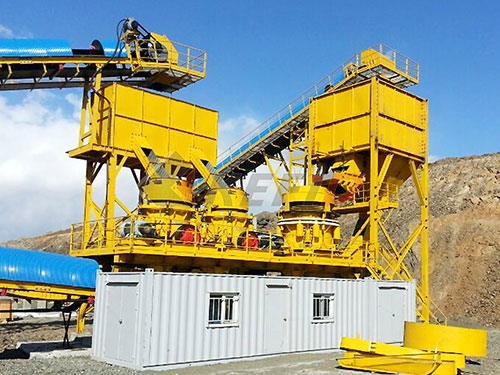

Comprehensive Scheme for Rock Processing Utilizing Crushers: From Quarry to Quality Aggregate
Introduction: The Bedrock of Modern Construction
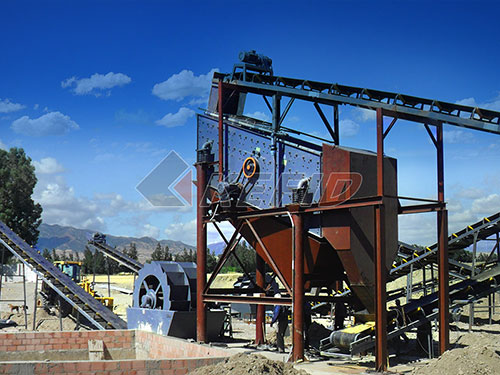
The transformation of raw rock extracted from quarries or mines into precisely sized, high-quality aggregate is a cornerstone of modern infrastructure development. This aggregate forms the literal foundation of our built environment – roads, bridges, buildings, dams, and railways all rely on its structural integrity and consistent properties. At the heart of this transformation lies a meticulously designed Rock Processing Scheme Using Crushers. This scheme represents far more than simply breaking large rocks into smaller pieces; it is an integrated engineering system focused on efficiency, product quality optimization, resource conservation, and operational cost-effectiveness. This article delves deeply into the principles, stages, equipment selection criteria, key parameters, and advanced considerations that constitute a robust and successful rock processing scheme.
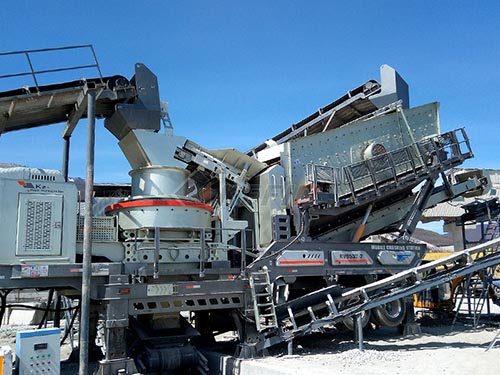
1. Foundational Principles: Beyond Simple Fragmentation
A successful crushing scheme operates on several core principles:
Size Reduction Staging: Crushing is performed in multiple stages (typically 2-4) to progressively reduce rock size. Each stage handles material within an optimal feed size range for its specific crusher type.
Feed Size Dictates Process: The initial size distribution and physical characteristics (hardness, abrasiveness, moisture content) of the blasted or excavated rock fundamentally influence the selection of primary crushers and the overall flow design.
Product Specification Drives Configuration: The required final product sizes (e.g., single sizes like 20-40mm or graded materials like 0-5mm sand) are paramount. The scheme must be engineered to efficiently produce these specific fractions.
Efficiency Optimization: Minimizing energy consumption per ton of product processed is critical. This involves selecting efficient crushers with appropriate chambers/settings and minimizing unnecessary recirculation loads.
Closed Circuit Control: Incorporating screens in closed circuits with crushers allows for precise control over product sizing by returning oversized material for further crushing.
Material Flow & Handling: Efficient transfer points between equipment (feeders → primary → conveyors → screens → secondary/tertiary → conveyors → stockpiles) are essential to prevent bottlenecks and minimize spillage/dust generation.
2. Core Stages of a Rock Crushing Scheme
A typical multi-stage crushing plant involves distinct phases:
Stage 1: Primary Crushing - Initial Size Reduction
Objective: Reduce run-of-quarry/mine (ROM) feed (often >1m diameter