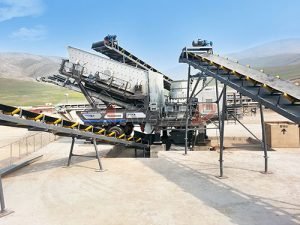
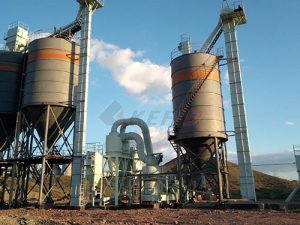
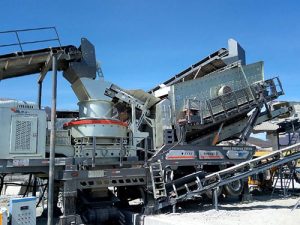
بهار مخروط کولہو

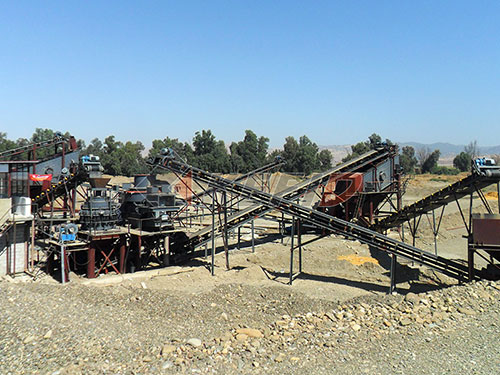
اسپرنگ ڪون کولہو هڪ قسم جو ثانوي يا ٽيٽيري ڪرشنگ سامان آهي جيڪو وڏي پيماني تي مائننگ ۾ استعمال ٿيندو آهي, دھات سازي, اڏاوت, ۽ مجموعي پيداوار. It is designed to crush hard and medium-hard materials like iron ore, چونا پٿر, گرينائيٽ, بيسالٽ, and quartz.
اهم اجزاء & ڪم ڪرڻ جو اصول
1. ڪرشنگ ڪمرو: Consists of a fixed concave (outer liner) and a movable mantle (inner cone) that gyrates under eccentric motion.
2. Spring Safety System: A set of springs around the frame acts as an overload protection mechanism. If uncrushable material enters the chamber, the springs compress to widen the discharge opening and release the foreign object, نقصان کي روڪڻ.
3. سنسڪرت شافٽ & گردش: Driven by a motor via belts/pulleys, the eccentric shaft causes the mantle to oscillate, crushing material against the concave.
4. Discharge Adjustment: The gap between the mantle and concave can be adjusted to control output size (coarse to fine).
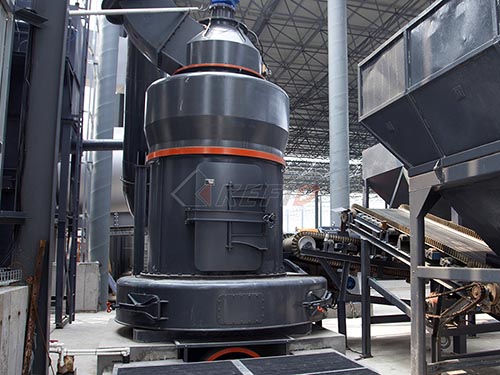
فائدا
- Reliable Overload Protection: Springs absorb shock from tramp iron or hard materials.
- اعلي ڪرشنگ ڪارڪردگي: Suitable for medium/fine crushing with good particle shape.
- Simple Structure & Low Maintenance: Fewer hydraulic components compared to hydraulic cone crushers.
حدون
- Less automated than hydraulic cone crushers (مثال, no real-time
justment).
- Lower capacity compared to modern hydraulic models for large-scale operations.
درخواستون
- کان کني (لوهه, ٽامي جي معدنيات).
- کوٽڻ (چونا پٿر, گرينائيٽ).
- Road construction aggregates.
هائيڊولڪ مخروط کولہو سان مقابلو
| خاصيت | بهار مخروط کولہو | هائيڊولڪ مخروط کولہو |
|--|--|--|
| اوور لوڊ تحفظ | Mechanical springs | هائيڊولڪ سلنڈر |
| ترتيب ڏيڻ | دستوري | Automatic (هائيڊولڪ) |
| لاڳت | هيٺيون | مٿاهون |
| آٽوميشن | محدود | ترقي يافته (مثال, PLC ڪنٽرول)|
For modern high-capacity or automated crushing plants, hydraulic cone crushers are often preferred. بهرحال, spring cone crushers remain cost-effective for small-to-medium operations requiring robustness and simplicity.
Would you like details on specific models or maintenance tips?