پٿر کولڻ وارو لوڻ
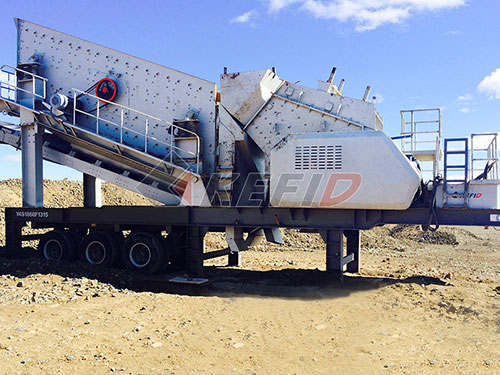

پٿر کولڻ وارو لوڻ: The Vital Fluid for Uninterrupted Crushing Power
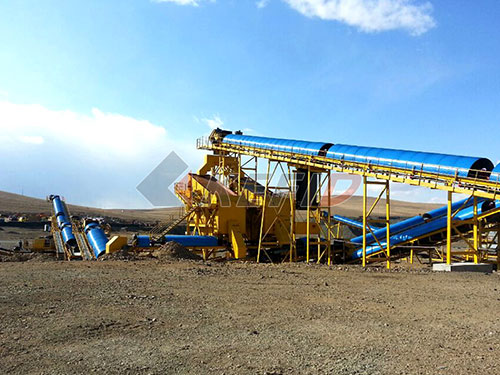
Within the demanding environment of aggregate production, rock crushers stand as the backbone, relentlessly reducing massive boulders into usable sizes. Their operation generates immense forces, friction, گرمي, and contamination. Ensuring these mechanical giants operate reliably and achieve their designed lifespan hinges critically on one fundamental aspect: effective lubrication. Far more than just adding oil or grease, rock crusher lubrication is a strategic discipline essential for maximizing uptime, minimizing repair costs, and safeguarding your investment.
Why Lubrication is Non-Negotiable
The consequences of inadequate lubrication in a rock crusher are severe and costly:
1. تيز رفتار وار: Metal-to-metal contact without a protective lubricant film leads to rapid wear of bearings, گيئرس, جھنڊو, شافٽ, and crushing surfaces (mantles/concaves, جبو مري وڃي ٿو).
2. Catastrophic Bearing Failure: Bearings are the heart of crusher rotation. Insufficient lubrication causes overheating, scoring, spalling (پائڻ), and ultimately seizure – a failure that halts production instantly and demands extensive downtime for replacement.
3. Overheating: Friction generates heat. Poor lubrication prevents effective heat dissipation through the oil or grease itself. Excessive heat degrades the lubricant further and can warp components.
4. Increased Power Consumption: Friction from poorly lubricated components forces the drive motor to work harder, consuming more energy.
5. Contamination Damage: مٽي, مٽي, and crushed rock particles are omnipresent in crusher environments. Lubricants act as a barrier and carrier system (especially circulating oil) to flush away contaminants before they embed into surfaces and cause abrasive wear.
6. سنسار: Moisture ingress is common. Proper lubricants contain additives that protect ferrous surfaces from rust and corrosion.
Understanding Rock Crusher Lubrication Systems
Rock crushers typically utilize two primary types of lubrication systems:
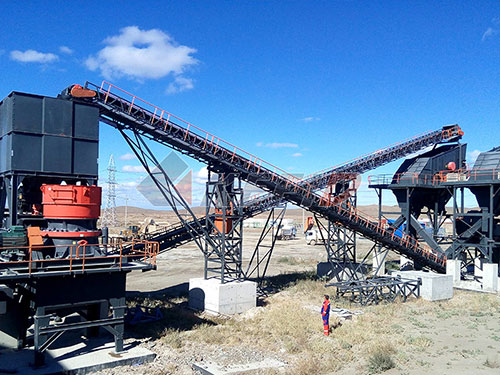
1. Circulating Oil Systems (Common in Gyratory & مخروطي ڪرشرز):
اجزاء: Reservoir (tank), پمپ(ايس), فلٽر (suction & دٻاءُ), oil cooler(ايس), دٻاءُ & temperature gauges/sensors, flow indicators/sight glasses, distribution lines/piping.
فنڪشن: Oil is pumped from the reservoir under pressure through filters to remove contaminants. It then flows through a cooler (جيڪڏهن ليس هجي) to manage temperature before being distributed to critical bearings (