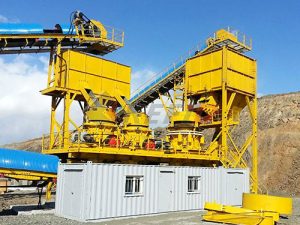
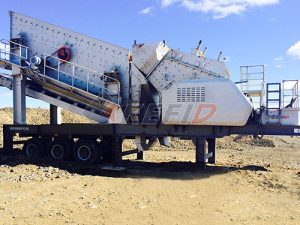
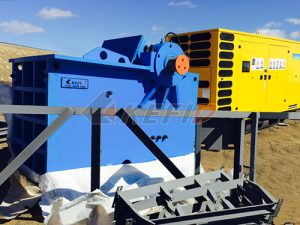
Jaw Crusher Specification
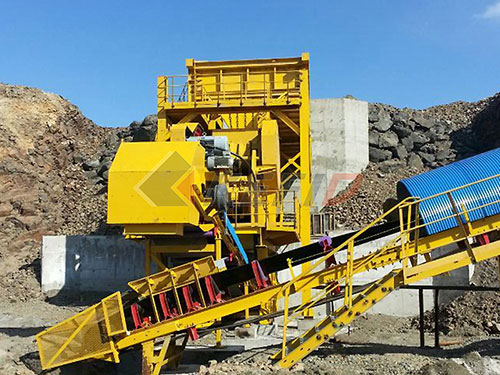

Demystifying Jaw Crusher Specifications: Your Guide to Selecting the Right Machine
Jaw crushers remain one of the most fundamental and widely used pieces of equipment in the aggregate production, کان کني, and recycling industries worldwide. Their robust design and relatively straightforward operation make them indispensable for primary size reduction tasks – breaking down large rocks into manageable fragments for further processing or direct use.
بهرحال, navigating the complex array of specifications listed in jaw crusher brochures can be daunting for buyers and operators alike. Understanding these specifications is not merely an academic exercise; it's critical for selecting the right machine for your specific application, ڪارڪردگي کي بهتر ڪرڻ, maximizing productivity, ensuring safety compliance, managing operational costs (like wear parts replacement), and planning infrastructure requirements (بنياد, feed systems). Misinterpreting or overlooking key parameters can lead to significant financial losses through underperformance or premature failure.
This comprehensive guide delves deep into the essential specifications of jaw crushers, explaining their meaning, significance in operational context (capacity versus feed size limitations), typical ranges across different machine classes (from small lab units to giant mining machines), and how they interrelate to define a crusher's capabilities within your unique operational environment.
1. Core Design Parameters: Defining the Crushing Chamber
فيڊ اوپننگ سائيز: This is arguably one of the most critical specifications.
What it is: The maximum dimensions (ويڪر x ڊگھائي) of the gap at the top of the crushing chamber where material enters.
اهميت: Dictates the absolute maximum lump size of rock that can be fed into the crusher without causing bridging or blockages at the mouth.
ماپ: Typically given as Width (ڊبليو) x Gap Length (ايل) – e.g., 1000mm x 800mm.
ويچار: The feed opening must be significantly larger than your largest anticipated feed particle size to ensure smooth material flow into the crushing zone without constant jamming incidents that halt production.
بند طرف سيٽنگ (سي ايس ايس): The heart of product size control.
What it is: The narrowest gap distance between the fixed jaw plate at its bottom point and the moving jaw plate at its bottom point during its stroke cycle when fully closed.
اهميت: Primarily determines the nominal maximum product size exiting from the bottom discharge opening under ideal conditions ("نامياري" because actual output gradation depends on factors like material characteristics).
Adjustability: A key feature! CSS is adjustable mechanically or