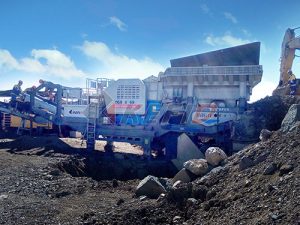
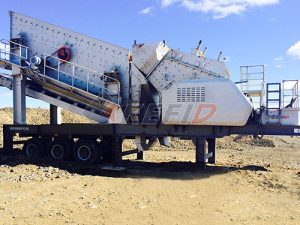
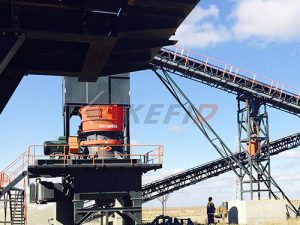
Crusher Conveyor بيلٽس
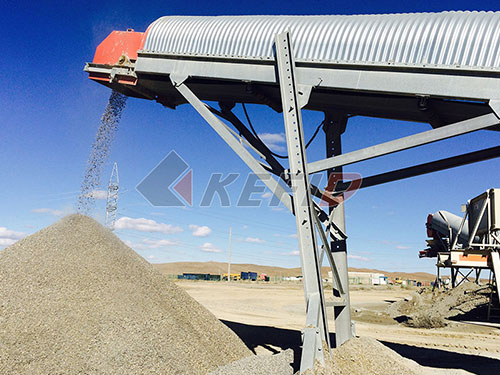

The Vital Artery: Optimizing Crusher Conveyor Belts for Efficiency and Longevity
مجموعي پيداوار جي گهربل دنيا ۾, کان کني, ۽ ري سائیکلنگ, crushers stand as the primary workhorses reducing raw materials into usable sizes. اڃان تائين, equally critical – and often overlooked until failure occurs – is the conveyor belt system transporting feed material to the crusher and carrying crushed product away from it. These Crusher Conveyor Belts operate under uniquely punishing conditions and represent a significant investment in both capital cost and operational continuity.
Why Crusher Belts Face Unique Challenges:
Unlike standard material handling conveyors moving uniform loads at consistent rates over relatively clean paths, crusher belts confront:
1. Severe Impact: Large chunks of rock or concrete dropping onto the belt from significant heights create intense localized stress at loading points.
2. Extreme Abrasion: Sharp-edged aggregate constantly scrapes against the belt surface during transport.
3. High Tension: Moving heavy loads of dense material requires substantial tensile strength.
4. Punishing Environments: مٽي جي نمائش, نمي (or slurry), درجه حرارت جي انتها (hot clinker/cold ore), oil/grease spills.
5. Variable Loading: Uneven feed rates and material surges common in crushing circuits.
Designing Belts for Survival: ويچار
Selecting and designing belts specifically for crusher applications involves careful attention to several factors:
1. Carcass Construction: The backbone of the belt.
Fabric Carcasses (EP/Polyester-Nylon): Offer good flexibility and impact resistance at lower tensions; suitable for less severe secondary/tertiary crusher discharge belts or shorter runs.
Steel Cord Carcasses (ST): Essential for primary crusher feed belts carrying massive boulders over long distances or high inclines where maximum tensile strength (>3000 kN/m) is non-negotiable to prevent stretching and snapping under load.
2. Cover Compounds & Thickness: The sacrificial layer protecting the carcass.
Top Cover: Must prioritize abrasion resistance above all else (measured by DIN/ISO abrasion loss tests). Thicker top covers (مثال, 10ايم ايم +) are standard under primary impact zones.
Impact Resistance: Specialized rubber compounds designed to absorb energy without cracking or gouging deeply are crucial at loading points beneath hoppers/chutes.