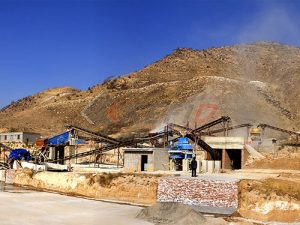
ڪنڪريٽ ۾ ڪٽيل مجموعي
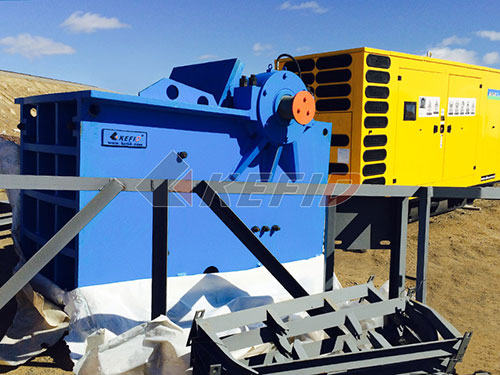

The Bedrock of Modern Construction: Unlocking the Potential of Crushed Aggregate in Concrete
ڪنڪريٽ, the ubiquitous building material shaping our skylines and infrastructure, is fundamentally a composite. While cement paste provides the binding glue, it is the aggregate – typically occupying 60% جي طرف 80% of its volume – that forms its skeletal structure, dictating its strength, استحڪام, and overall performance. Among the diverse types of aggregate used globally, crushed stone aggregate stands as a cornerstone material. Its unique characteristics and widespread availability make it indispensable for producing high-performance concrete across virtually every construction application.
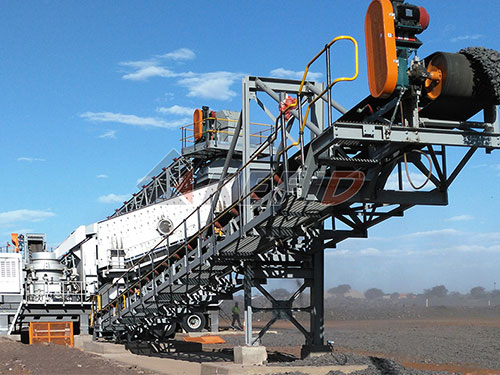
Beyond Pebbles: Defining Crushed Aggregate
Crushed aggregate originates from naturally occurring rock formations – granite, چونا پٿر, پٿر جو پٿر, پٿر, or quartzite being common sources. Unlike rounded gravel found in riverbeds or glacial deposits (known as natural or rounded aggregate), crushed aggregate is manufactured through a deliberate mechanical process:
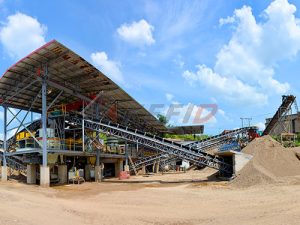
1. کوٽڻ: Large blocks of bedrock are extracted from quarries using drilling and blasting or specialized heavy machinery.
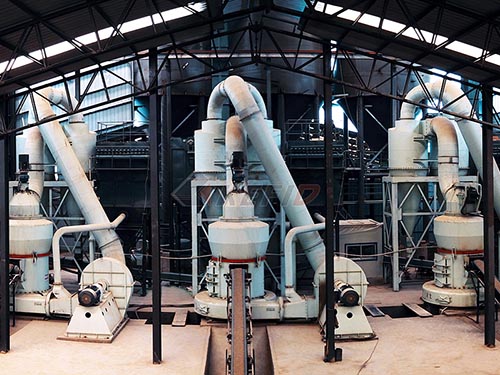
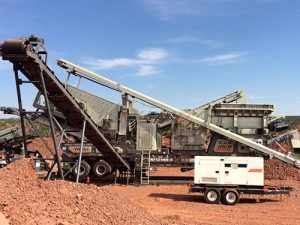
2. پرائمري ڪرشنگ: These large blocks are fed into primary crushers (jaw crushers or gyratory crushers) that reduce them to manageable sizes (عام طور تي 6-10 انچ).
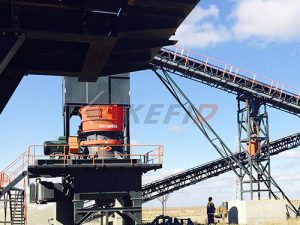
3. ثانوي ۽ ٽئين درجي جي ڪرشنگ: Further reduction occurs in secondary (مخروط crushers) and sometimes tertiary (اثر crushers) stages to achieve the desired particle size distribution.
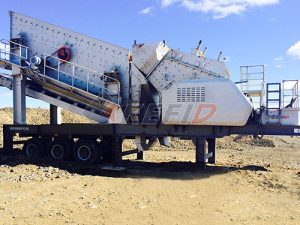
4. اسڪريننگ: The crushed material passes through vibrating screens with specific mesh sizes to separate it into different size fractions (مثال, coarse aggregates like 57 stone or 67 پٿر; fine aggregates like manufactured sand).
5. ڌوئڻ (اختياري): To remove dust or clay particles that could interfere with the cement-aggregate bond.
The result is angular particles with rough surface textures – a stark contrast to the smooth, rounded surfaces of natural gravel.
Why Crush It? زبردست فائدا
The mechanical crushing process imparts several critical properties that elevate crushed aggregate's performance in concrete:
1. Enhanced Particle Interlock & طاقت: The angularity and rough texture create significantly greater mechanical interlocking between particles within the concrete matrix compared to rounded aggregates. This interlock resists particle movement under load more effectively.
نتيجو: Higher compressive strength and tensile strength for a given water-cement ratio.
اثر: Enables design of leaner mixes without sacrificing required strength levels.
2. Improved Bond