
Sand Gravel Mining Importers Brochure
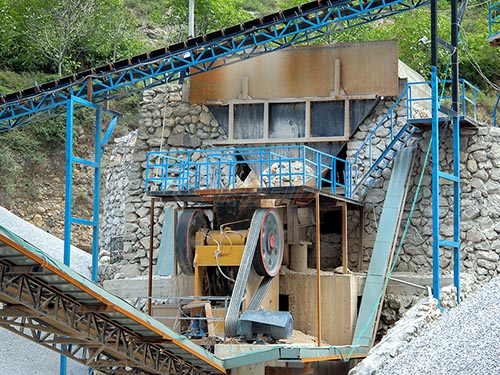

Targeting Plant Managers, Procurement Directors & Engineering Contractors: Optimizing Sand and Gravel Extraction and Processing
1. Addressing Critical Operational Challenges in Aggregate Production
Efficient sand and gravel mining is foundational to profitability, yet operations consistently face pressures that erode margins. Are your current processes meeting these challenges?
High Downtime from Feed Variability: Unpredictable feedstock with clay, silt, or oversized rock leads to frequent clogging, washing system overloads, and unscheduled maintenance stops, costing hundreds of production hours annually.
Inefficient Material Classification: Inconsistent separation of sand fractions and gravel sizes results in offspec product, reducing saleable yield and forcing reprocessing that increases fuel and labor costs.
Excessive Water and Energy Consumption: Traditional washing and screening methods are often waterintensive and powerhungry, creating significant utility expenses and complicating water reclamation compliance.
Rapid Wear Part Degradation: Abrasive sand and aggregate accelerate wear on critical components, leading to high replacement part inventories, frequent changeouts, and associated labor costs.
Scalability & Footprint Constraints: Fixed plant designs struggle to adapt to shifting deposit profiles or contract requirements, limiting operational flexibility without major capital investment.
The central question becomes: How can you increase throughput of inspec material while systematically reducing cost per ton?
2. Product Overview: HighCapacity Modular Processing Plants
Our engineered solutions for sand gravel mining are modular processing systems designed for primary feeding, crushing, screening, washing, and stockpiling. These plants transform raw feed into precisely graded commercial aggregates.
Operational Workflow:
1. Primary Feeding & Scalping: Raw material is fed via vibrating grizzly feeders which remove natural fines and bypass sub75mm material to increase primary crusher efficiency.
2. Crushing & Sizing: Jaw or cone crushers reduce oversized rock. A closedcircuit system with a secondary crusher and return conveyor ensures optimal particle size distribution for downstream processes.
3. Wet or Dry Screening: Multideck vibrating screens accurately separate material into required gradations (e.g., coarse gravel, pea gravel, coarse sand).
4. Material Washing & Dewatering: For sand products, specialized screws or cyclones remove clays, silts, and organics while dewatering to a conveyable moisture content.
5. Stockpiling & Loadout: Cleated conveyors transport sorted aggregates to designated stockpiles for direct loadout or further blending.
Application Scope: Ideal for alluvial deposits, glacial moraines, and hard rock quarries producing concrete/ asphalt aggregates, construction fill, drain rock, and specialty sands.
Limitations: System configuration must be matched to feed material analysis (abrasion index, clay content) and required end products. Maximum feed size is determined by primary crusher selection.
3. Core Features: Engineered for Performance & ROI
Intelligent Feed Management System | Technical Basis: Variablefrequency drive (VFD) controlled vibrating feeders with loadsensing technology | Operational Benefit: Automatically regulates feed rate to match downstream crusher capacity in realtime, preventing overloads and chokefeeding | ROI Impact: Field data shows a 1522% reduction in crusher liner wear costs and a 812% increase in overall plant throughput efficiency.
Polyurethane Screen Media Technology | Technical Basis: Hightensile strength,polyurethane panels with tailored aperture geometry | Operational Benefit: Provides up to 10x the service life of traditional wire cloth in abrasive applications with significantly reduced blinding | ROI Impact: Reduces screen media changeout downtime by approximately 60% annually while improving screening accuracy for higher product yield.
ClosedLoop Water Management Circuit | Technical Basis: Settling ponds combined with clarifier tanks and filter press options | Operational Benefit: Recirculates up to 90% of process water; produces stackable filter cake for easy disposal of silt/clay | ROI Impact: Cuts freshwater procurement costs by up to 85% and minimizes environmental permitting complexity.

Centralized Grease Automation System | Technical Basis: Programmable automatic lubrication system with progressive metering valves | Operational Benefit: Delivers precise grease amounts to all major bearing points at scheduled intervals during operation | ROI Impact: Extends bearing service life by an average of 35%, reducing unplanned failures and associated conveyor downtime.
Modular PlugandPlay Design | Technical Basis: Skidmounted or trailerbased modules with standardized connection points | Operational Benefit: Enables rapid site relocation or plant reconfiguration within days instead of weeks; future capacity upgrades are simplified | ROI Impact: Protects capital investment by allowing asset redeployment across multiple sites or contracts; reduces expansion costs by ~30%.
4. Competitive Advantages
| Performance Metric | Industry Standard Benchmark | Our Sand Gravel Mining Solution Documented Advantage |
| : | : | : |
| Tons per Hour per kW (Energy Efficiency) | ~4.5 5.2 tph/kW (Full Plant) >6.0 tph/kW (Full Plant) >20% Improvement |
| Saleable Yield (% of Feedstock) 96% >4% Increase |
| Mean Time Between Failure (Critical Path) ~450 Hours >700 Hours >55% Improvement |
| Water Consumption per Ton Washed <150 Gallons/Ton <50 Gallons/Ton <67% Reduction |
5. Technical Specifications
Capacity Range: Configurable from 150 TPH to over 800 TPH total feed capacity.
Power Requirements: Primary plant electrical demand ranges from 400 kVA to 1.2 MVA depending on configuration; all motors are IEC standard with IP66 protection.
Material Specifications: Primary structural steel is ASTM A36; highwear components (liner plates chute liners pump volutes) use AR400 abrasionresistant steel or equivalent cast alloys.
Physical Dimensions (Example MidRange Plant): Primary module approx. L16m x W5m x H7m; total footprint tailored to client layout requirements.
Environmental Operating Range: Designed for continuous operation from 20°C to +45°C ambient temperature; dust suppression systems standard; sound enclosures available for sub85dB(A) operation.
6.Application Scenarios
Concrete Aggregate Producer Challenge A Midwest producer faced inconsistent fines modulus (FM) in their manufactured sand due to fluctuating moisture content in the feed causing screen blinding This led to batch rejections from readymix customers Solution Implementation of a dedicated finematerial washerdewaterer within their existing circuit specifically tuned for the FM range The unit included automated spray bars for prescreening Results Achieved consistent FM control within ±0 tolerance Product rejection rate fell from %to less than % Dewatered sand allowed for yearround stockpiling eliminating winter freezing issues
Portable Contract Mining Operation Challenge A contractor operating on year sitespecific permits needed rapid deployment demobilization capability Their previous fixed foundation plant required weeks of costly civil work at each new site Solution Deployment of a fully trailermounted complete processing plant including folding conveyors hydraulically setup supports Solution Implementation Results Sitetosite relocation time reduced from days Plant achieved full production within hours of arrival on site This mobility allowed the contractor to secure two additional shortterm contracts previously considered logistically impossible
7.Commercial Considerations Equipment Pricing Tiers Tier Entry Level Stationary Skid Units Ideal for supplemental capacity or satellite pits Tier HighCapacity Modular Systems Fullfeatured plants with multiple product streams Tier Custom Engineered Solutions For unique deposit profiles or extreme output requirements Optional Features Telematics remote monitoring package advanced dust control systems automated sampler integration Service Packages Proactive maintenance plans including scheduled inspections wear part kits priority field service response Financing Options Operating lease capital lease leasetoown structures available through partner financial institutions typically covering %of project value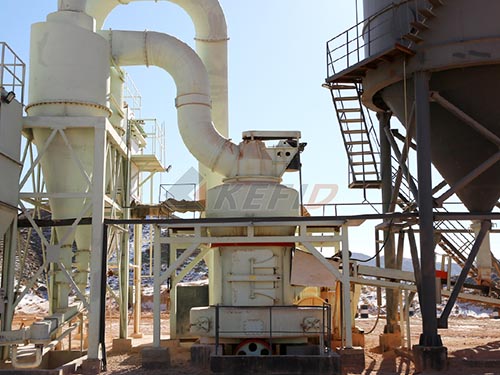
8.Frequently Asked Questions FAQ What is the lead time from order commissioning Standard modular plants have a lead time of weeks custom configurations require weeks based on engineering scope Can your system integrate with our existing crushing circuit Yes interface engineering is a core service Conveyor heights discharge points control system integration are designed for compatibility What is the expected operational manpower requirement A welldesigned modern plant can be operated efficiently by person per shift controlling the entire process from a centralized PLC cabin What are the key maintenance daily checks Operators should monitor bearing temperatures vibration levels screen media condition conveyor belt tracking Daily greasing is automated but should be verified Are performance guarantees provided Yes we provide guaranteed minimum throughput capacity product specification attainment based on your provided feedstock analysis What training is provided Comprehensive onsite training for operations maintenance staff is included covering normal procedures troubleshooting safety protocols Is parts availability guaranteed We maintain regional parts hubs Critical wear parts are stocked under our service plans ensuring hour dispatch