
Почему на коксохимическом заводе используется дробилка
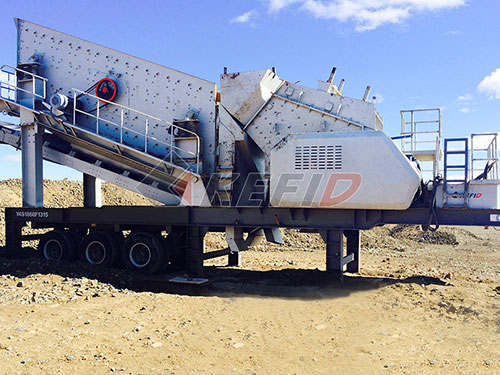

The Essential Role of Crushers in a Coking Plant: Ensuring Efficiency and Quality
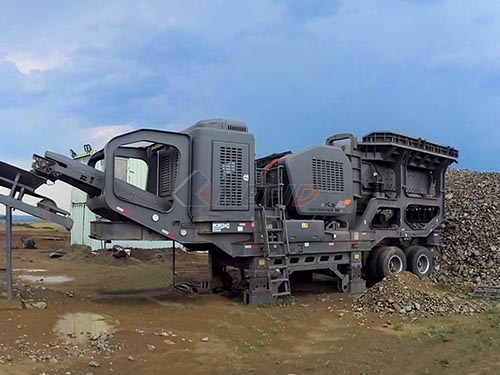
Within the complex industrial landscape of a coking plant, where coal is transformed into the vital metallurgical coke used in blast furnaces, seemingly simple machinery plays a disproportionately critical role. Среди них, the crusher stands out as an indispensable piece of equipment, fundamental to the smooth operation and quality output of the entire process.
Here’s why crushers are absolutely essential in a coking plant:
1. Achieving Optimal Oven Charging Size:
Проблема: Coal delivered to the plant comes in a wide range of sizes – from large lumps to fine particles. Coke ovens are designed to operate most efficiently when charged with coal within a specific size range (typically around 3mm to 80mm, though this varies by plant design).
Решение: Первичные дробилки (often rotary breakers or roll crushers) reduce oversized lumps received from mines or stockpiles down to this manageable range. This ensures:
Uniform Packing: Consistent coal size allows for denser and more uniform packing within the oven chamber.
Efficient Heat Transfer: Uniform packing facilitates even heat distribution during carbonization, leading to consistent coke quality throughout the oven charge.
Preventing Bridging: Oversized lumps can cause "перекрытие" – where large pieces lock together – preventing coal from flowing properly into the oven and creating dangerous voids.
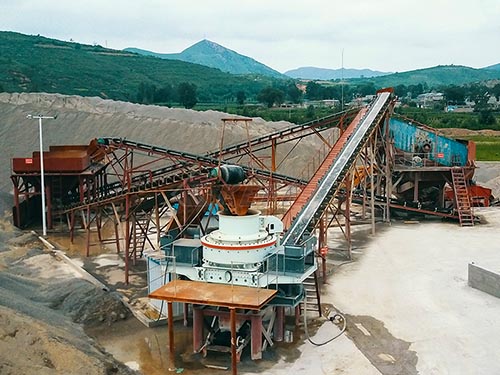
2. Facilitating Coke Handling Post-Carbonization:
Проблема: After undergoing high-temperature carbonization in ovens (around 1000-1100°C), the resulting coke mass ("coke cake") is pushed out as large monolithic blocks.
Решение: Secondary crushing stages (often double roll crushers) break down these massive hot coke cakes into smaller, manageable pieces suitable for subsequent handling and transport.
Conveyor Compatibility: Crushed coke can be efficiently transported via conveyors to quenching stations or screening facilities without damaging equipment or causing blockages.
Quenching Efficiency: Smaller pieces expose more surface area during quenching (rapid cooling with water or inert gas), ensuring faster and more uniform cooling throughout each piece.
3. Optimizing Blast Furnace Performance:
Проблема: Blast furnaces require coke within a very specific size range (например, 25мм - 80мм