
Конструкция роликовой дробилки
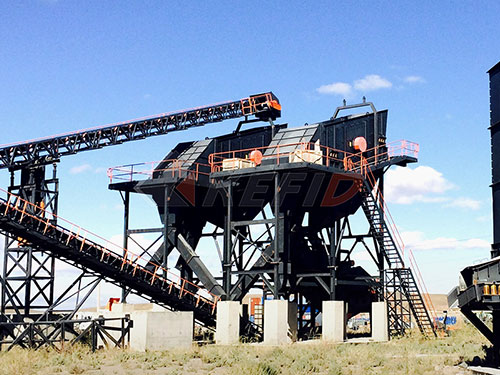

Конструкция роликовой дробилки: Принципы, Компоненты, and Optimization for Efficient Size Reduction
Roller crushers represent a fundamental category of comminution equipment widely employed in mining, переработка полезных ископаемых, производство цемента, строительные агрегаты, и различные отрасли промышленности, требующие измельчения твердых и среднетвердых материалов до промежуточных размеров.. Their design focuses on applying compressive force via rotating rolls to fracture feed material efficiently and reliably. Understanding the core principles and intricate design considerations is paramount for optimizing performance, долголетие, and operational cost-effectiveness.
Core Operating Principle
The fundamental action of a roller crusher is remarkably straightforward yet highly effective:
1. Введение в фид: Material enters the crushing chamber from above.
2. Nip Angle Formation: As material descends between two counter-rotating rolls (or sometimes a single roll against a fixed plate), it encounters a critical zone known as the "nip angle." This angle determines whether particles are drawn into the crushing gap.
3. Compressive Fracture: Material captured within the nip zone is subjected to intense compressive stress as it passes through the gap between the rolls.
4. Выгрузка продукта: Crushed material exits below the rolls at a reduced particle size determined primarily by the gap setting between them.
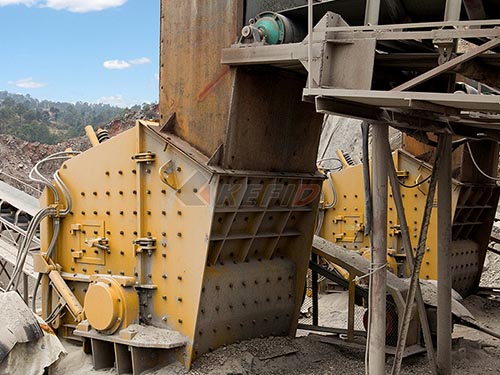
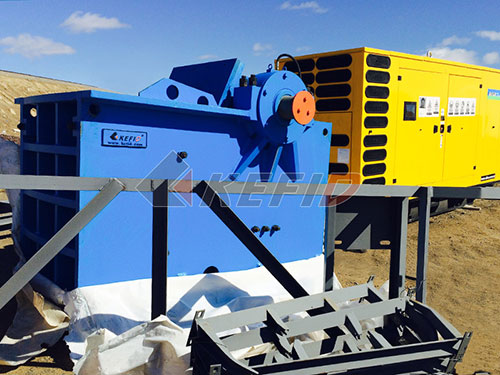
Design Components & Соображения
A well-engineered roller crusher integrates several critical components:
1. Роллы:
Материал & Строительство: The heart of the crusher. Rolls are typically fabricated from high-strength alloy steel forgings or castings with specialized surface treatments or hardfacing alloys (like chromium carbide overlays) applied to combat severe abrasive wear – the primary wear mechanism.
Профиль поверхности: Crucial for feed engagement and product size/shape:
Гладкие роллы: Produce finer output with minimal fines generation; ideal for secondary crushing or producing granular products.
Гофрированные/рифленые рулоны: Feature longitudinal ridges or grooves that enhance grip on feed material (especially sticky feeds), promote inter-particle crushing at coarser settings, and improve throughput capacity.
Зубчатые валки: Employ intermeshing teeth designed primarily for primary crushing of softer materials like coal or friable minerals; provide high reduction ratios in a single pass but generate more fines.
Диаметр & Ширина: Roll diameter dictates maximum feed size acceptance ("bite") – larger diameters allow larger feeds but increase machine footprint and cost. Roll width directly influences throughput capacity.
2. Roll Gap Adjustment Mechanism: