
High Quality Cement Plant Equipment Cost
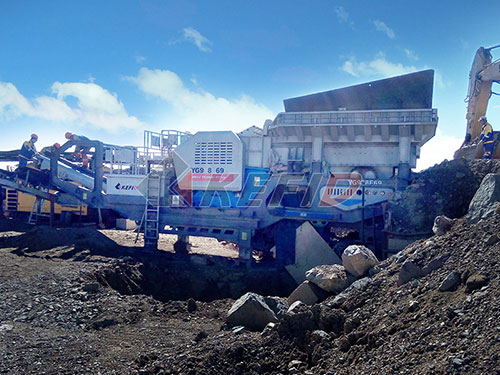

High Quality Cement Plant Equipment Cost: A Capital Planning Guide for Plant Managers and EPC Contractors
The Real Cost Drivers Behind Cement Plant Equipment Procurement
When you are budgeting for a new cement production line or replacing aging machinery, the sticker price of the equipment is rarely the number that determines project viability. Plant managers and engineering contractors consistently report five cost traps that erode budgets after the purchase order is signed:
- Unplanned downtime at $8,000–$25,000 per hour. A single clinker cooler or kiln drive failure on a 3,000 TPD line can halt the entire pyroprocessing circuit. Industry benchmarking shows that unplanned stoppages account for 5–12% of annual production losses in plants running equipment older than 15 годы.
- Energy costs consuming 25–40% of operating expenditure. Grinding and pyroprocessing circuits are the dominant loads. Моторы, диски, and separator efficiency directly determine your cost per ton of cement.
- Spare parts lead times of 12–20 weeks. Nonstandard components from singlesource suppliers create hidden workingcapital costs and force expensive emergency sourcing.
- Freight and installation overruns of 15–30%. Oversized mill shells, секции печи, and preheater vessels carry logistics costs that are frequently underestimated at the feasibility stage.
- Compliance and retrofit costs. Meeting current emission limits (пыль, NOx, SO2) often requires additional equipment not included in the original cost estimate.
- Waste heat recovery system (WHR): Adds 8–12% to capital cost; generates 3–6 MW per 3,000 линия ТПД; payback 3–5 years.
- Alternative fuel feeding system: Enables 10–30% thermal substitution rate; reduces fuel cost and carbon exposure.
- Advanced emission control (SNCR/SCR): Required in many jurisdictions; adds $500,000–$2M depending on line size.
- Remote monitoring and predictive maintenance: Subscriptionbased; reduces unplanned downtime by 15–25%.
- Договор на годовое обслуживание: 3–6% of equipment value per year; включает инспекции, wearpart supply, и приоритетная техническая поддержка.
- Программа гарантии производительности: Equipment supplier guarantees specific fuel and power consumption; penalties apply if targets are missed.
- Operator training and certification: 2–6 weeks onsite; reduces commissioning time and operational errors.
- Supplier credit: 12–36 month terms with 10–30% down payment.
- Export credit agency (ECA) financing: Available for crossborder projects; typically 5–10 year tenor.
- Лизтаун: For grinding stations and mobile equipment; preserves working capital.
- Performancebased contracting: Supplier shares in energy savings; suitable for retrofits with measurable baselines.
The practical question is not "what does the equipment cost?" но "what is the 10year total cost of ownership per ton of clinker produced?" This guide breaks down high quality cement plant equipment cost across major equipment categories, specification levels, and commercial structures so your feasibility study reflects reality.
Обзор продукта: Что "Высококачественное оборудование для цементного завода" Actually Covers
High quality cement plant equipment refers to the machinery and systems used in the pyroprocessing, шлифование, and materials handling sections of an integrated cement line or grinding station. Quality in this context is not a marketing term — it is defined by measurable criteria: марки материалов, допуски на обработку, thermal design margins, wearpart service life, and documented performance guarantees.
Операционный рабочий процесс (Typical Integrated Line)
1. Raw material preparation — Crushing, proportioning, and raw mill grinding to achieve target fineness and chemical homogeneity.
2. Preheating and calcination — Multistage cyclone preheater and precalciner raise raw meal temperature and complete 85–95% calcination before kiln entry.
3. Clinker burning — Rotary kiln with multichannel burner; clinker cooler recovers heat and quenches clinker for grindability.
4. Cement grinding — Ball mill or vertical roller mill combined with highefficiency separators and roller presses.
5. Packing and dispatch — Rotary packers, bulk loading, и системы паллетирования.
Область применения
This equipment serves integrated cement plants (typically 1,500–10,000 TPD clinker capacity), шлифовальные станции (200,000–2,000,000 TPA), and white cement or specialty cement lines. Limitations to note: kiln diameter and length are constrained by transport routes; mill capacity is constrained by available grinding power; and emission control equipment must be sized to local regulatory limits, which vary significantly by jurisdiction.
Core Features That Justify the Cost Premium
1. Kiln Shell Material Grade | Техническая основа: ASTM A516 Gr.70 or equivalent killed carbon steel with controlled carbon equivalent for weldability | Операционная выгода: Withstands 1,400–1,450°C flame radiation and thermal cycling without ovality distortion | Воздействие на рентабельность инвестиций: 20–30% longer shell life versus uncertified plate; avoids premature shell replacement costing $400,000–$900,000
2. MultiStage Preheater Cyclone Design | Техническая основа: Lowpressuredrop cyclone geometry with wearresistant refractory lining | Операционная выгода: Reduces specific heat consumption to 720–780 kcal/kg clinker | Воздействие на рентабельность инвестиций: В 3,000 ТПД, а 40 kcal/kg reduction saves approximately $180,000–$260,000 annually in fuel cost
3. HighEfficiency Roller Press / VRM Grinding | Техническая основа: Interparticle comminution with hydraulic pressure control | Операционная выгода: 15–30% lower specific power consumption versus conventional ball mills | Воздействие на рентабельность инвестиций: On a 150 TPH cement mill, this translates to 4–7 kWh/t savings, equating to $250,000–$500,000 per year depending on tariff
4. Variable Frequency Drives on Main Motors | Техническая основа: Fluxvector control with harmonic filtering | Операционная выгода: Soft start reduces mechanical stress; process speed adjusts to load | Воздействие на рентабельность инвестиций: 8–15% reduction in auxiliary power; eliminates mechanical wear from directonline starting
5. Modular PreAssembled Structures | Техническая основа: Shopfabricated and trialassembled modules with matchmarked connections | Операционная выгода: Reduces site erection manhours by 25–40% | Воздействие на рентабельность инвестиций: On a $40M mechanical installation, saves $1.5M–$3M in labor and shortens commissioning by 6–10 weeks
6. Automated Kiln Control System | Техническая основа: Modelpredictive control with thermal imaging and gas analysis feedback | Операционная выгода: Stabilizes burning zone; reduces specific fuel consumption and refractory spalling | Воздействие на рентабельность инвестиций: 2–5% fuel savings and 10–15% longer refractory life; typical payback under 18 месяцы
7. WearResistant Materials at Critical Points | Техническая основа: Hardfacing overlay (HRC 55–62), керамические вкладыши, and Nihard castings at feed chutes, separator blades, and roller tires | Операционная выгода: Wear life extends from 6–9 months to 18–30 months | Воздействие на рентабельность инвестиций: Reduces annual wearpart spend by 40–60% and cuts associated maintenance labor
Конкурентные преимущества: High Quality vs. Стандартное оборудование
| Метрика производительности | Отраслевой стандарт | Высококачественное оборудование для цементного завода | Преимущество |
|||||
| Specific fuel consumption (ккал/кг клинкера) | 780–850 | 720–760 | 8–12% lower |
| Specific power – cement grinding (кВтч/т) | 32–38 | 26–30 | 15–20% ниже |
| Kiln availability (ежегодный) | 82–88% | 92–95% | 8–10% higher |
| Refractory life in burning zone (месяцы) | 8–12 | 14–18 | 40–50% дольше |
| Wearpart replacement interval (месяцы) | 6–9 | 18–30 | 2–3x longer |
| Spare parts lead time (недели) | 12–20 | 4–8 (with local stock) | 60% shorter |
| Emission compliance margin (mg/Nm³ dust) | 30–50 | 10–20 | 2–3x margin |
| Installation manhours (за тонну оборудования) | 18–25 | 12–16 | 30–35% ниже |
Field data compiled from cement plant benchmarking studies and equipment performance guarantees across 1,500–5,000 TPD installations.
Технические характеристики
| Параметр | Типичный диапазон |
|||
| Clinker capacity | 1,500–10,000 TPD |
| Main kiln drive power | 400–1200 кВт |
| Raw mill capacity | 150–500 тонн в час |
| Cement mill capacity | 80–300 тонн в час |
| Specific heat consumption | 720–780 kcal/kg clinker |
| Specific power – raw grinding | 14–18 kWh/t |
| Specific power – cement grinding | 26–32 kWh/t |
| Источник питания | 6.6 кВ / 11 кВ / 33 кВ, 50/60 Гц |
| Kiln shell diameter | 3.0–6.0 m |
| Длина печи | 45–100 m |
| Диапазон рабочих температур | –20°C to +50°C ambient |
| Altitude capability | До 2,500 м (со снижением номинальных характеристик) |
| Emission limits achievable | Пыль <20 мг/Нм³, NOx <500 мг/Нм³ (СНКР), SO2 <200 мг/Нм³ |
| Характеристики материала | АСТМ А516, A387, ОТ 17155, ЯВЛЯЕТСЯ 2002, or projectspecific |
Сценарии применения
Integrated Cement Plant – Southeast Asia | Испытание: Существующий 2,500 TPD line running at 78% availability with fuel consumption of 840 kcal/kg clinker and frequent kiln shell ovality issues | Решение: Replacement of kiln shell, upgrade to 5stage preheater with lowpressure cyclones, and installation of modelpredictive kiln control | Результаты: Availability increased to 93%; fuel consumption reduced to 745 ккал/кг; annual fuel savings of $1.4M; срок окупаемости 22 месяцы
Grinding Station – West Africa | Испытание: Imported clinker grinding at 38 kWh/t with high maintenance costs on ball mill liners and diaphragms | Решение: Installation of roller press with Vseparator in pregrinding circuit and highefficiency dynamic separator | Результаты: Specific power reduced to 29 кВтч/т; пропускная способность увеличилась с 90 ТПХ до 125 ТПХ; Срок службы лайнера увеличен с 8 к 20 месяцы; operating cost per ton reduced by 22%
White Cement Line – Middle East | Испытание: Kiln refractory life limited to 6 months due to high thermal load and alkali attack; frequent unplanned stoppages | Решение: Highalumina refractory with optimized brick geometry, kiln shell cooling system upgrade, and burner replacement with lowNOx multichannel design | Результаты: Срок службы огнеупора продлен до 14 месяцы; unplanned stoppages reduced by 65%; ежегодные затраты на техническое обслуживание снижены на $380,000
Коммерческие соображения
Ценовые уровни оборудования

| Уровень | Объем | Indicative Cost Range (доллар США) | Typical Use Case |
|||||
| Стандартный | Core mechanical equipment, основные элементы управления, 12гарантия на месяц | $2M–$8M for 1,500–3,000 TPD | Greenfield grinding stations, budgetconstrained projects |
| Премиум | Highefficiency components, расширенные элементы управления, расширенная гарантия, гарантии производительности | $8M–$25M for 3,000–6,000 TPD | Integrated plants with strict OPEX targets |
| Turnkey EPC | Дизайн, поставлять, установка, ввод в эксплуатацию, обучение, 24гарантия на месяц | $25M–$120M+ for 3,000–10,000 TPD | Projects requiring singlepoint responsibility |
Дополнительные функции
Пакеты услуг
Варианты финансирования
Часто задаваемые вопросы
1. What is the typical cost per ton of annual clinker capacity for high quality cement plant equipment?
For integrated lines, mechanical equipment cost typically ranges from $60–$120 per annual ton of clinker capacity, depending on scope, уровень автоматизации, and emission requirements. Grinding stations range from $25–$50 per annual ton of cement capacity. These figures exclude civil works, land, and owner's costs.
2. How does equipment quality affect the total cost of ownership?
Field data shows that high quality equipment carries a 15–25% higher initial capital cost but delivers 20–35% lower 10year TCO through reduced fuel consumption, longer wearpart life, более высокая доступность, and lower maintenance labor. The crossover point typically occurs in year 3–4 of operation.
3. Can high quality equipment be retrofitted into an existing plant?
Да. Most retrofits focus on grinding circuits, циклоны предварительного нагревателя, горелки, и системы управления. Retrofit projects typically achieve 60–80% of the benefits of a new line at 20–40% of the capital cost. Interface engineering is the critical success factor.
4. What lead times should be planned for high quality cement plant equipment?
Standard equipment: 16–24 недели. Custom or large components (корпуса печи, оболочки мельниц, large gearboxes): 30–52 weeks. Preassembled modules add 4–8 weeks for trial assembly and shipping preparation. Early procurement of longlead items is essential for schedule certainty.
5. What performance guarantees are standard with high quality equipment?
Typical guarantees cover capacity (ТПХ), удельная потребляемая мощность (кВтч/т), specific fuel consumption (ккал/кг), пределы выбросов, and availability. Guarantees are usually tied to specified raw material and fuel characteristics. Penalty and bonus mechanisms are negotiable.
6. How do local content requirements affect equipment cost?
Local fabrication of structures, падает, and noncritical components can reduce cost by 10–20% and improve spare parts availability. Однако, critical items (kiln shell, girth gear, main gearbox, roller press tires) should be sourced from qualified suppliers with documented material certification and machining capability.
7. What is the typical payback period for upgrading to high quality cement plant equipment?
For fuel and power efficiency upgrades, payback ranges from 18–36 months. For availability and maintenance cost improvements, payback ranges from 24–48 months. For emission compliance retrofits, payback is driven by regulatory deadlines rather than operational savings, though WHR and alternative fuel systems can generate independent returns.