
Типы дробилок
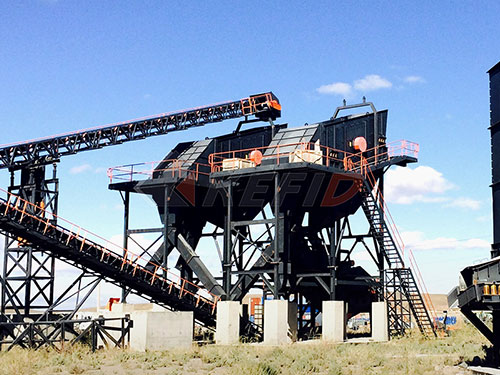

The Comprehensive Guide to Crusher Types: Powering Modern Material Processing
Crushers are the indispensable workhorses of mining, совокупное производство, строительство, и перерабатывающая промышленность. Their core function is simple: reduce large chunks of raw material into smaller, manageable sizes suitable for further processing or direct use. Selecting the correct crusher type is a critical decision impacting operational efficiency, качество продукции, and overall project economics. This guide delves into the fundamental principles, major classifications, and specific applications of various crushers.
Понимание основ дробления: Force and Fragmentation
В глубине души, crushing involves applying sufficient force to overcome the internal bonds holding a particle together. The primary mechanisms employed are:
1. Сжатие: Material is squeezed between two surfaces (например, jaws or cones), causing fracture along natural cleavage lines.
2. Влияние: Material is struck by rapidly moving parts (например, hammers or blow bars), shattering it through high-energy collisions.
3. Истирание/Истирание: Material particles rub against each other or against surfaces under pressure, wearing them down gradually.
4. сдвиг: A cutting action is applied to the material.
Most crushers utilize a dominant mechanism but may incorporate secondary effects.
Major Crusher Classifications Based on Mechanism & Дизайн
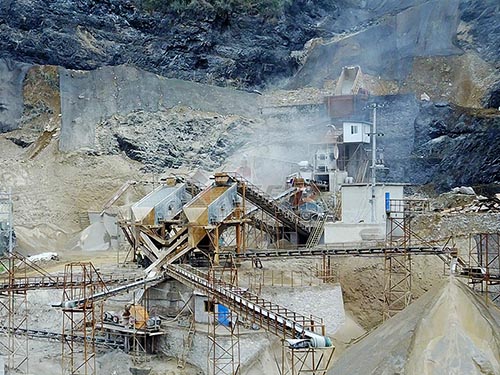
1. Щековые дробилки (Compression Dominant)
Принцип: Material enters a V-shaped chamber formed by a fixed jaw and a moving jaw mounted on an eccentric shaft. As the moving jaw reciprocates towards the fixed jaw (with a slight elliptical motion), it compresses the feed material against the stationary surface until it fractures small enough to fall through the bottom opening (Закрытая боковая установка - CSS).
Компоненты: Fixed Jaw Die/Pitman, Moving Jaw Die/Swing Jaw, Эксцентриковый вал, Toggle Plate/Adjustment System.
Характеристики:
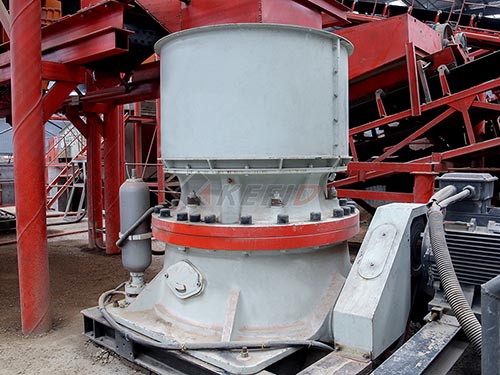
Robust construction for handling hard, абразивные материалы.
Simple design and relatively easy maintenance.
High reduction ratio capability (обычно 6:1 к 8:1).
Output size controlled primarily by adjusting CSS.
Can handle large feed sizes (up to ~1500mm in large models).
Generates more fines than cone crushers at similar settings due to "кормление дросселем" characteristics near discharge.
Вариации:
Single Toggle Overhead Eccentric: Most common modern design; simpler with