
Производственные мощности дробильной установки во Вьетнаме
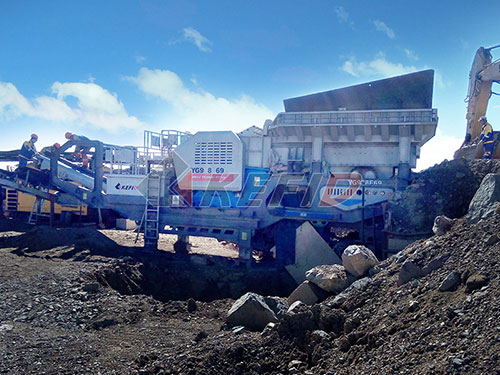

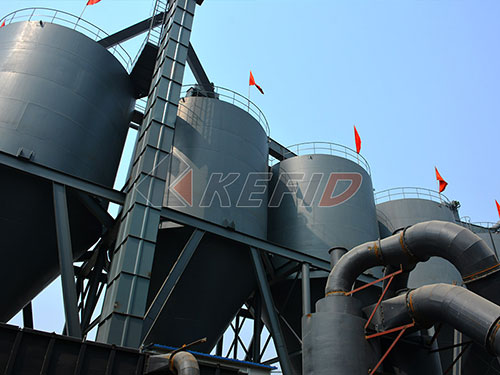
Navigating the Financial Landscape: A Deep Dive into Crusher Plant Operational Expenses in Vietnam
Vietnam's construction and infrastructure development boom is undeniable. From towering skyscrapers reshaping urban skylines to expansive highway networks connecting regions, the demand for aggregates – crushed stone, песок, and gravel – is at an all-time high. At the heart of producing these essential materials lie crusher plants, complex industrial facilities tasked with reducing large rocks into usable sizes. While the initial capital investment in establishing a crusher plant is substantial, understanding and effectively managing its ongoing operational expenses (Эксплуатационные расходы) is paramount for long-term profitability and competitiveness in this dynamic market. This article provides a comprehensive analysis of the key cost drivers shaping crusher plant OPEX in Vietnam.
1. Энергопотребление: The Dominant Cost Driver
Undoubtedly, electricity represents the single largest operational expense for most crusher plants in Vietnam.
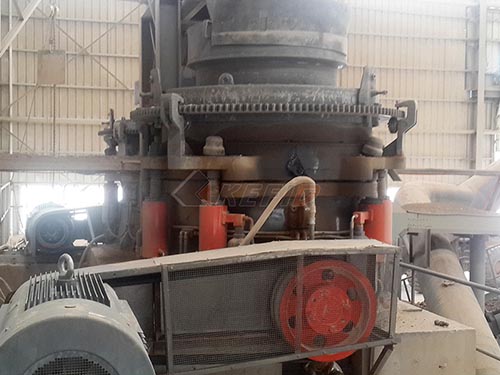
High-Powered Machinery: Crushing equipment (щековые дробилки, конусные дробилки, ударники), вибрационные сита, конвейеры, and auxiliary systems like dust collectors are inherently energy-intensive. Large primary crushers can consume hundreds of kilowatts per hour.
Variable Tariffs & Volatility: Electricity tariffs in Vietnam vary significantly by region (например, Northern vs. Southern Power Corporations), time of day (peak/off-peak rates), and consumption level (increasing block tariffs). Industrial users face higher rates than residential consumers. Recent years have seen upward adjustments reflecting rising input costs.
Impact on OPEX: Energy costs can easily constitute 40-60% or more of total operating expenses for a medium-to-large crushing operation.
Mitigation Strategies:
Выбор оборудования: Investing in modern, energy-efficient machinery designed with variable frequency drives (VFD) that adjust motor speed to actual load demand offers significant savings over older fixed-speed units.
Operational Optimization: Running crushing circuits at optimal capacity rather than under-loading equipment improves kWh/ton efficiency. Strategic scheduling to utilize off-peak electricity rates where feasible.
Process Flow Design: Minimizing material handling distances through efficient plant layout reduces conveyor run times and associated power draw.
Renewable Exploration: Investigating on-site solar power generation potential for auxiliary loads or even partial main feed is becoming increasingly viable as solar technology costs decrease.
2. Затраты на рабочую силу: Skilled Workforce & Согласие
Labor remains a significant component of OPEX, influenced by location