
Стоимость экспортера шаровых мельниц
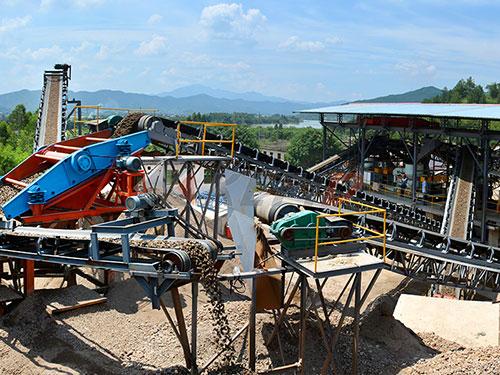

Decoding the True Cost of Ball Mill Export: A Strategic Guide Beyond the Price Tag
While the initial purchase price of a ball mill is often the most visible figure quoted by exporters, focusing solely on this number paints an incomplete and potentially misleading picture of the total investment required. Exporting heavy industrial machinery like ball mills involves a complex web of factors that significantly impact the final landed cost at your facility – often termed the "Total Landed Cost." Understanding these intricacies is paramount for buyers seeking genuine value and exporters aiming to remain competitive in a global marketplace.
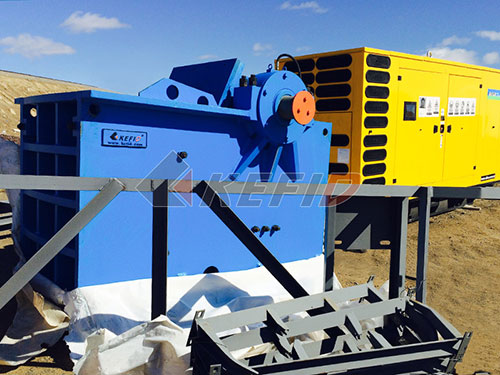
1. Основная машина: Where Quality Dictates Long-Term Value
The fundamental cost driver is undeniably the ball mill itself:
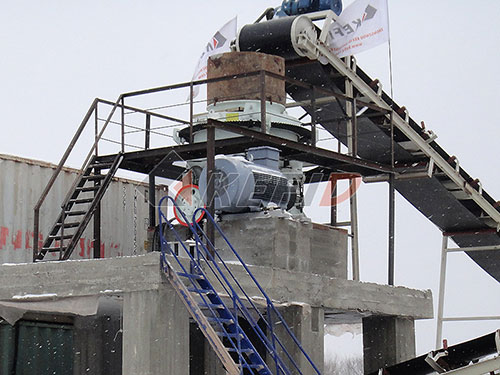
Дизайн & Технические характеристики: Размер (диаметр х длина), емкость (тоннаж в час), скорость вращения, power requirements – larger and more powerful mills demand exponentially more material and engineering complexity.
Состав материала & Качество: High-grade wear-resistant steel alloys (like chromium-molybdenum steel) used for liners, шестерни, цапфы, and shells command premium prices but drastically extend operational life compared to lower-grade alternatives prone to premature failure.
Manufacturing Precision & Сложность: Advanced designs requiring intricate machining (например, large-diameter girth gears), precise alignment tolerances for bearings and drive systems, robust welding procedures certified by international standards all increase production costs but ensure reliability.
Component Quality: Подшипники (SKF/FAG vs unknown brands), motors/reducers (ABB/Siemens vs generic), electrical controls sophistication (basic relay logic vs PLC-based automation) significantly influence both initial price and long-term maintenance costs.
Кастомизация: Standard designs are generally cheaper than bespoke solutions tailored to unique ore characteristics or specific process integration needs requiring engineering R&D time.
2. Export Preparation: Protecting Your Investment En Route
A mill leaving the factory floor requires significant preparation before it can withstand international shipping:
Robust Packaging & Ящик: Heavy-duty timber crates designed specifically for irregular shapes exceeding 20+ tons per piece are essential but costly due to materials (hardwood lumber) and specialized labor.
Weatherproofing & Защита от коррозии: VCI films desiccant bags high-quality marine-grade paint coatings applied meticulously especially on machined surfaces prevent rust during humid sea voyages lasting weeks or months.
Internal Securing & Блокировка: Immobilizing internal components drums shafts within shells using custom blocking prevents catastrophic damage from shifting during rough seas requires significant time/material resources.