
Quarry Ballast Crushing Equipment Vendor Sample
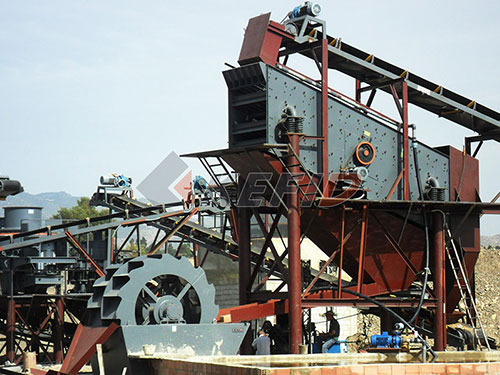

Targeted Quarry Ballast Crushing Solutions: Optimize Yield, Reduce Costs, and Ensure Specification Compliance
Are you facing persistent challenges in producing consistent, highquality railway ballast? Inefficient crushing processes directly impact your bottom line through excessive wear costs, high waste rates, and costly recrushing to meet stringent gradation specifications. Consider these common operational pain points:
Uncontrolled Fines Generation: Excessive sub10mm material reduces saleable ballast yield and creates disposal headaches.
Flakiness Index & Elongation Failures: Producing aggregates that do not meet EN 13450, AREMA, or other regional standards for particle shape leads to product rejection.
Rapid Wear Part Degradation: Abrasive granite, basalt, or trap rock leads to frequent liner changes and unplanned downtime.
Inconsistent Throughput: Fluctuations in feed size or hardness cause bottlenecks, preventing you from maximizing plant capacity.
High Operational Costs: Combined expenses from energy consumption, manual grading checks, and part replacements erode profit margins.
How can you achieve a higher percentage of onspec product from each ton of raw feed while controlling operational expenditure? The answer lies in selecting purposeengineered quarry ballast crushing equipment.
Product Overview: HighYield Ballast Crushing Systems
Our specialized quarry ballast crushing equipment is engineered to transform blasted quarry run material into precisely graded railway ballast. The typical workflow involves a primary jaw crusher for initial size reduction, followed by a secondary cone crusher configured specifically for cubical product shaping. For final sizing and removal of excess fines, a tertiary horizontal shaft impact crusher or a dedicated screening plant with washing capabilities is often employed. This equipment range is designed for hard rock (UCS > 150 MPa) applications and is integral to stationary or semimobile crushing plants focused on aggregate specification production.
Core Features of Our Ballast Crushing Solution
Our equipment design prioritizes specification yield over sheer volume. Each feature addresses a specific challenge in ballast production.
Advanced Chamber Geometry | Technical Basis: Optimized kinematics & cavity profile | Operational Benefit: Promotes interparticle crushing for improved particle shape & reduced flakiness | ROI Impact: Increases premium product yield by 1525%, reducing waste
Hydroset CSS Adjustment | Technical Basis: Hydraulic setting regulation under load | Operational Benefit: Allows realtime closedside setting tweaks to correct gradation drift without stopping | ROI Impact: Minimizes offspec production batches, saving up to 8 hours of corrective processing per month
Liner Material Composite | Technical Basis: Zinconiumenhanced manganese steel alloys | Operational Benefit: Provides extended service life in highly abrasive environments | ROI Impact: Reduces liner replacement frequency by 3040%, lowering cost per ton
Intelligent Drive System | Technical Basis: Direct variablefrequency crusher drive | Operational Benefit: Enables precise control of rotor speed for optimal breakage and energy use | ROI Impact: Cuts power consumption by up to 20% compared to fixedspeed systems
Integrated Fines Management | Technical Basis: Cascading bypass chutes & integrated prescreen options | Operational Benefit: Routes natural fines away from crushing chamber to minimize recirculation and attrition | ROI Impact: Lowers unwanted fines generation by an average of 18%
Remote Monitoring Telemetry | Technical Basis: IoTenabled sensor packages for pressure, temperature, power draw | Operational Benefit: Provides predictive alerts for maintenance and tracks performance metrics | ROI Impact: Prevents catastrophic failures, supporting +95% operational availability
Competitive Advantages in Ballast Production
The following table quantifies the performance differential our solutions deliver against conventional quarry crushing setups.
| Performance Metric | Industry Standard Baseline | Our Ballast Crushing Solution | Documented Advantage |
| : | : | : | : |
| Product Yield (OnSpec EN 13450) | 6575% of feed mass | 8288% of feed mass | +15% Improvement |
| Average Liner Life (Abrasive Granite) | 450,000 550,000 tons | 650,000 750,000 tons | +35% Improvement |
| Specific Power Consumption (kWh/ton) ~25mm CSS| 0.9 1.1 kWh/tonne|0.72 0.85 kWh/tonne |22% Improvement |
| Particle Shape (Flakiness Index) Typical Output <20 Target <25|<25|<20|Meets most stringent specs |
Technical Specifications
Our secondary cone crusher model BC300HX exemplifies the technical focus on ballast:
Nominal Capacity: 280 320 tonnes per hour (dependent on feed gradation and hardness)
Recommended Feed Size: Max. 250mm (from primary jaw)
Power Requirement: 250 kW electric drive motor
Crusher Type: Heavyduty hydraulic cone with adjustable eccentric throw
Setting Range: CSS from 22mm to 45mm
Key Material Specifications: Constructed with highstrength steel frame; Concave liners are ZM400 alloy; Main shaft is forged from EN24 steel.
Physical Dimensions (LxWxH): Approximately 3.5m x 3m x 2.8m (excluding walkways).
Environmental Operating Range: Designed for ambient temperatures from 20°C to +45°C; dustprotected bearings and lubrication system.
Application Scenarios
Hard Rock Quarry Supplying National Rail Project
Challenge: A granite quarry needed to supply over 1 million tonnes of AREMA 4A ballast. Their existing cone crusher produced excessive fines (<9mm) and elongated particles, resulting in a 30% rejection rate at the project's quality checkpoint.
Solution: Implementation of our BC300HX cone crusher as the secondary stage with a specially profiled crushing chamber focused on cubicity.
Results: Onspec yield improved from ~70% to over 85%. The flakiness index was consistently maintained below 18. The project was supplied on schedule with reduced overall blasting and processing volumes.
Aggregate Producer Diversifying into Rail Market
Challenge: A large aggregate producer wanted to enter the rail ballast market but lacked equipment configured for strict shape requirements. Their universal cone crushers were optimized for volume in road base aggregates.
Solution: Retrofitting an existing tertiary position with our horizontal shaft impact crusher configured for shaping only (low rotor speed/high rockonrock anvil).
Results: The producer achieved EN 13450 certification with their existing feed stock. The retrofit enabled production flexibility without a complete plant overhaul, opening a new revenue stream with a +12% margin premium over standard aggregates.
Commercial Considerations
We structure commercial offerings to align with your operational goals and financial planning.
Pricing Tiers:
1. Standard Equipment Package includes crusher base package with standard liners.
2. Performance Package adds intelligent drive system telemetry package advanced liner alloys.
3 Plant Integration Package includes full engineering support installation commissioning process flow optimization.
Optional features include automated setting regulation systems skidmounted modular frames dust suppression integration packages.
Service packages range from basic planned maintenance schedules comprehensive performance contracts covering parts labor periodic chamber wear scans.
Financing options include capital purchase operating lease models throughputbased rental agreements where payment is linked verified tonnage crushed facilitating easier entry into new contracts.
Frequently Asked Questions
Q1 Is your equipment compatible with our existing primary jaw screens conveyor infrastructure?
A1 Yes our systems are designed integration Standard discharge heights conveyor widths We provide full interface drawings require only standard civil foundations electrical connections
Q2 What is the expected impact on our overall plant throughput?
A2 While focused yield not maximum volume field data shows net finished product output often increases due reduced recirculation load elimination recrushing stages Most plants report stable matching primary feed rates
Q3 How do you validate claims about improved particle shape flakiness index?
A3 We provide certified test reports from independent geological laboratories using sample material processed pilot unit specific settings can arrange onsite trial bulk sample using your own quarry material
Q4 What are typical lead times major component replacement during maintenance?
A4 Critical wear parts like mantle concaves held regional distribution centers ensure delivery within 72 hours Major structural components available within 21 days guaranteed supply chain agreements
Q5 Do you offer training for our operations maintenance teams?
A5 Yes comprehensive training provided covering safe operation routine maintenance troubleshooting diagnostic use telemetry data This conducted onsite during commissioning
Q6 Can financing be arranged projects outside our home country?
A6 We work international export credit agencies project finance partners structure crossborder leasing solutions subject standard credit approvals