
Trituradores de impacto verticais
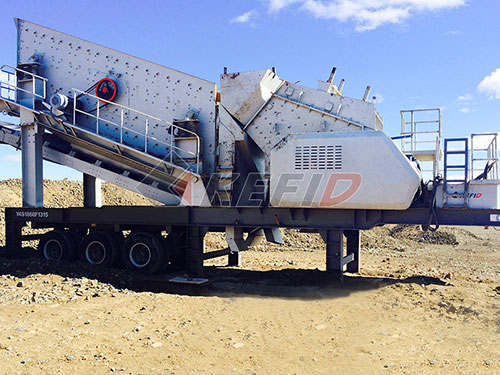

Trituradores de impacto verticais: Powering Efficiency in Material Reduction
Trituradores de impacto verticais (VIC), often referred to as Vertical Shaft Impactors (TODOS) or simply Sand Mills, represent a cornerstone technology in modern aggregate processing and manufactured sand production. Their unique operating principle delivers significant advantages in shaping, cubicidade, and size reduction efficiency for a wide range of minerals and ores.
Princípio Fundamental: O "Rock-on-Rock" & "Rock-on-Iron" Paradigm
Ao contrário dos britadores de compressão tradicionais (como britadores de mandíbula ou de cone) que comprimem o material entre as superfícies, VICs utilize high-speed centrifugal force. The core components are:
1. Rotor de alta velocidade: Mounted vertically, the rotor spins at high velocities (tipicamente 1,800 - 3,000 RPM). It houses either:
Impeller Shoes/Tips: Hardened metal components that fling feed material outward.
Rotor Pockets: Openings that capture feed material and accelerate it radially.
2. Crushing Chamber/Anvil Ring: Surrounding the rotor is a chamber lined with either:
Anvils: Stationary hardened metal surfaces against which the accelerated material impacts ("Rock-on-Iron").
Bed of Material: A self-forming layer of previously crushed material ("Rock-on-Rock"). Accelerated particles impact this bed, causing fragmentation through inter-particle collisions.
Material fed into the top center of the crusher falls onto the spinning rotor. Centrifugal force violently accelerates particles outward, ejecting them at high speeds either directly against stationary anvils or into a dense cascade of other particles within the crushing chamber. This intense impact shatters the feed along natural fracture lines.
Vantagens que impulsionam a adoção
1. Formato de partícula superior & Cubicidade: The dominant mechanism of particle-to-particle impact produces consistently well-shaped, cubical end products with minimal flakiness. This is crucial for high-quality concrete aggregate and asphalt mixes requiring excellent interlock and workability.
2. Altas taxas de redução & Controle de Multas: VICs achieve significant size reduction in a single stage. Crucialmente, operators can finely tune the gradation curve by adjusting rotor speed, taxa de alimentação, cascade flow characteristics (via adjustable cascading flow tubes or ports), and the ratio of rock-on-rock vs. rock-on-anvil action.
3. Efficiency in Abrasive Applications: While wear occurs on impeller tips/shoes and an