
Máquina trituradora de pedra
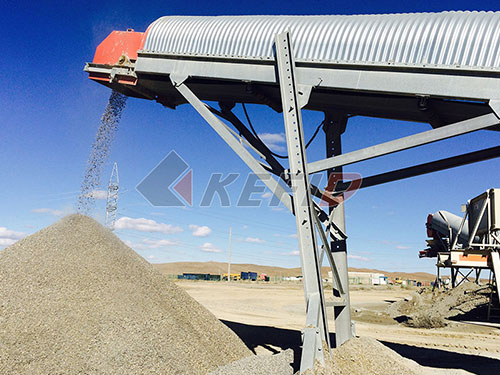

The Essential Guide to Stone Crusher Machines: Tipos, Aplicativos, and Innovations
Stone crusher machines are indispensable tools in modern construction, mineração, e desenvolvimento de infraestrutura. Designed to break down large rocks into smaller, manageable aggregates, these machines play a pivotal role in producing materials for roads, edifícios, e projetos industriais. This article explores the mechanics of stone crushers, their diverse applications, and emerging trends shaping the industry.
Como funcionam os trituradores de pedra: Breaking Down the Basics
Em sua essência, stone crushers apply mechanical force to reduce the size of rocks through compression, impacto, ou atrito. The process typically involves three stages:
1. Britagem Primária: Large rocks are fed into the machine via vibrating feeders and crushed by jaw crushers or gyratory crushers.
2. Britagem Secundária: Cone crushers or impact crushers further refine the material.
3. Britagem Terciária: Vertical shaft impactors (VSIs) or fine cone crushers produce uniformly shaped end products.
Modern crushers incorporate advanced technologies like hydraulic adjustment systems and automated controls to optimize output size and efficiency.
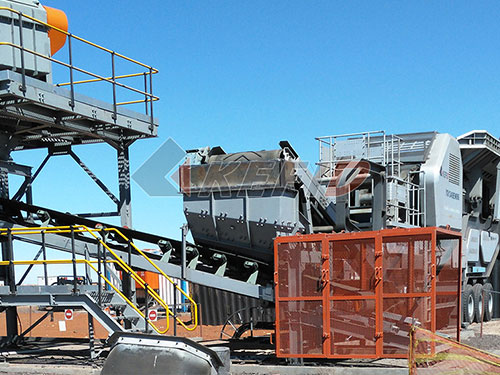
Types of Stone Crusher Machines
1. Britadores de mandíbulas
- Ideal for primary crushing of hard materials like granite.
- Features a fixed plate and a moving jaw that generates compressive force.
- Saída: 5–20 mm to 150–300 mm.
2. Trituradores de cone
- Suited for secondary/tertiary crushing in mining operations.
- Uses a rotating mantle within a concave bowl for precision sizing.
- High efficiency but requires skilled maintenance.
3. Trituradores de impacto (Horizontal/Vertical Shaft)
- Perfect for softer materials like limestone through high-speed impact.
- Produces cubical aggregates ideal for concrete production.
4. Trituradores móveis
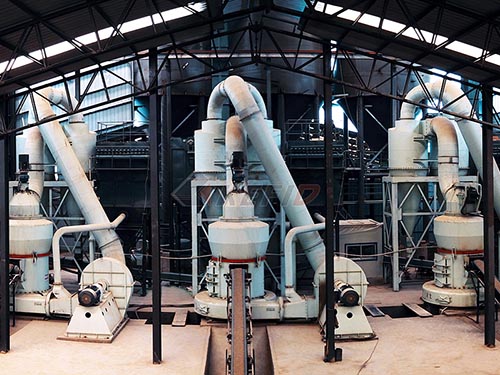
- Track-mounted units enable on-site crushing in remote locations.
- Combine jaw, cone, or impact crushers with screening systems.
Industrial Applications Driving Demand
- Construção: Produz materiais básicos para estradas (por exemplo, 25–50 mm aggregates) e concreto (sand/gravel mixes).
- Mineração: Processes ore into workable sizes for mineral extraction.
- Reciclagem: Repurposes demolition waste into reusable construction materials.
- Agricultura: Creates limestone powder for soil pH balancing.
UM 2023 market analysis projects the global stone crushing equipment sector to grow at 6.8% CAGR through 2030