
Linha de britagem de granito na África do Sul 200tph
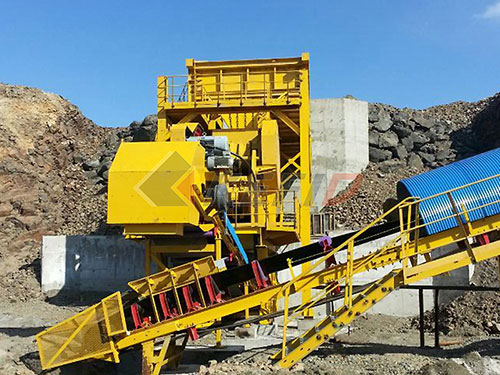

Linha de britagem de granito na África do Sul 200tph: Um modelo de eficiência e sustentabilidade
The mining and construction industries in South Africa have long been pivotal to the nation's economic growth. Among the many projects driving this sector forward, the 200tph Granite Crushing Line stands out as a benchmark for operational efficiency, technological innovation, e gestão ambiental. This article explores the key components, desafios, and outcomes of this groundbreaking project, offering insights into its significance for the industry.
Visão geral do projeto
Granito, conhecido por sua durabilidade e apelo estético, is a highly sought-after material in infrastructure development. No entanto, processing this hard rock poses significant challenges due to its abrasive nature and high compressive strength. The 200tph (toneladas por hora) granite crushing line in South Africa was designed to address these challenges while meeting escalating demand for high-quality aggregates in road construction, produção de concreto, and architectural projects.
Located in a region rich in granite reserves, the project aimed to deliver consistent output with minimal downtime, aligning with South Africa’s infrastructure development goals. The plant’s 200tph capacity was strategically chosen to balance production efficiency with operational flexibility.
Configuração Técnica: Engenharia de Precisão
The success of the crushing line hinges on its well-optimized configuration, combining robust machinery with intelligent automation:
1. Britagem Primária:
Um britador de mandíbula para serviço pesado (por exemplo, Série C6X) serves as the primary crushing unit, capable of handling large granite blocks (≤750 mm) with high reduction ratios. Its hydraulic adjustment system ensures stable discharge sizes, reducing wear on downstream equipment.
2. Secondary and Tertiary Crushing:
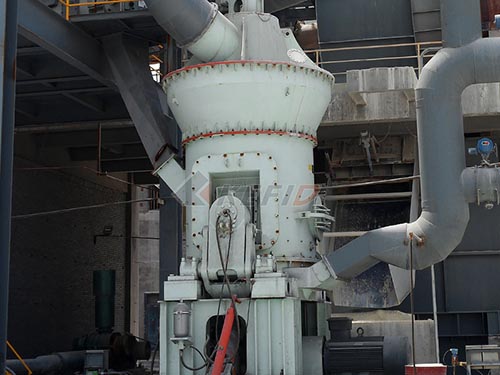
A multi-cylinder hydraulic cone crusher (como HPT300) performs secondary crushing, followed by another cone crusher for fine shaping. This two-stage cone crushing setup maximizes particle shape uniformity while minimizing over-crushing.
3. Screening and Grading:
High-frequency vibrating screens segregate aggregates into multiple specifications (0-5milímetros, 5-10milímetros, 10-20milímetros). Advanced screening technology ensures precise separation even under high-load conditions.
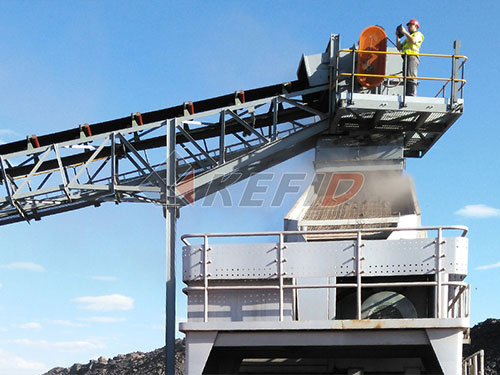
4. Dust Control System:
Integrated pulse dust collectors and water spray systems maintain airborne particulate levels within regulatory limits (<10mg/m³), addressing both environmental and worker safety concerns.
5. Integração de automação:
A centralized PLC system monitors equipment status, taxas de produção, and energy consumption in real time. Predictive maintenance algorithms reduce unplanned downtime