
Triturador Primário
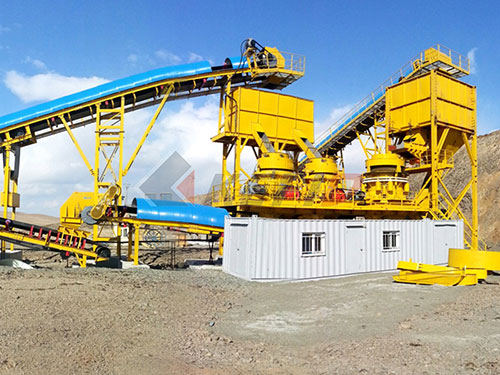

O triturador primário: Cornerstone of Mineral Processing Efficiency
In the vast and intricate chain of mineral processing operations – whether extracting valuable metals from ore or producing aggregates for construction – one piece of equipment stands as the critical first line of attack: the Primary Crusher. Its role is fundamental yet demanding: to accept the largest run-of-mine (ROM) feed directly from the mine face or quarry pit and reduce it to a manageable size for subsequent processing stages. The efficiency and reliability of this initial size reduction step profoundly influence the entire downstream operation's performance, relação custo-benefício, and overall success.
Função: Breaking Ground
The primary crusher's core mission is coarse size reduction. It tackles material often measuring several feet in diameter (às vezes excedendo 1 medidor) and reduces it down typically to a range of 6 para 10 polegadas (150-250 milímetros), although this target size varies significantly based on the ore type and process requirements. This initial breakage liberates valuable minerals from waste rock and creates fragments small enough for conveyors to handle efficiently and secondary crushers to process further.
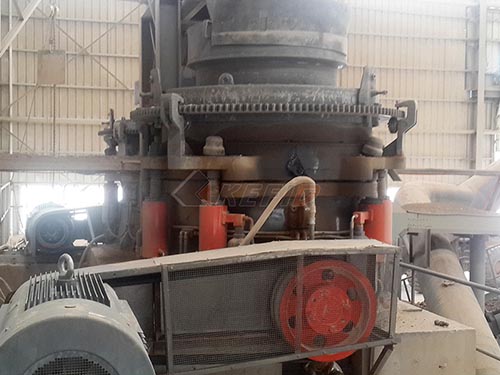
Tipos comuns: Matching Rock to Machine
Selecting the optimal primary crusher hinges on understanding material characteristics (dureza, abrasividade, teor de umidade), capacidade necessária, distribuição de tamanho de alimentação, e tamanho do produto desejado:
1. Britadores de mandíbulas: The most prevalent type.
Mecanismo: Utilizes compressive force between a fixed jaw plate and a reciprocating movable jaw plate.
Prós: Robust design suitable for hard/abrasive materials; relatively simple operation & manutenção; boa capacidade; handles slabby material well.
Contras: Lower reduction ratio compared to gyratories; produces more elongated/flaky particles; higher wear in abrasive applications; sensitive to clay/sticky feed.
Melhor para: Pedreiras de rocha dura (granito, basalto), underground mining applications where height is limited.
2. Trituradores giratórios:
Mecanismo: Features a conical head gyrating within an inverted conical bowl liner; crushing occurs continuously as material enters at the top.
Prós: Highest capacity per unit area; very high reduction ratios; continuous crushing action leads to consistent product sizing; efficient energy use per ton crushed; handles sticky/clayey feed better than jaws.
Contras: Maior custo de capital; complex structure requires significant installation height/foundation; maintenance can be more involved than jaws.