
explicação do britador de cone
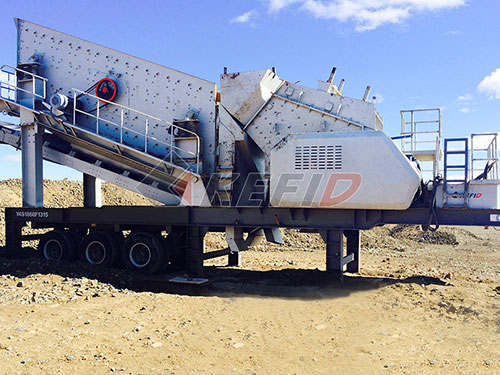

The Cone Crusher: Engineered Efficiency for Hard Rock Reduction
No exigente mundo do processamento mineral, produção agregada, e mineração, efficiently reducing large, hard rock into precisely sized fractions is paramount. Among the most critical pieces of equipment achieving this task is the Cone Crusher, a sophisticated machine renowned for its productivity, versatility, and ability to produce high-quality cubical aggregates.
Princípio Fundamental: Esmagamento por compressão
Unlike impact crushers that rely on sudden force, cone crushers operate on the principle of continuous compression crushing. Rock enters the crushing chamber from above and falls between two essential components:
1. Manto (Moving Cone): Mounted on an eccentric assembly (an off-center rotating shaft), the mantle gyrates within the concave bowl. This gyratory motion creates a constantly changing gap between the mantle and concave.
2. Côncavo (Fixed Bowl Liner): Stationary or adjustably positioned, this wear-resistant liner forms the outer crushing surface.
As rock descends into the chamber, it's repeatedly squeezed and crushed between the moving mantle and stationary concave liners. The eccentric motion ensures material is progressively crushed as it moves downward through progressively narrower sections of the crushing chamber until it exits through the discharge opening at the bottom.
The Power of Interparticle Crushing
A key advantage of modern cone crushers is their ability to promote interparticle crushing. Instead of relying solely on direct contact with liners, particles are also crushed against each other under immense pressure within the crowded chamber. This mechanism significantly enhances efficiency and often produces a more desirable cubical product shape compared to other primary reduction methods.
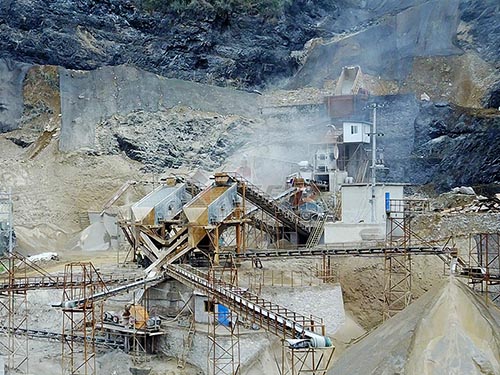
Componentes & Funcionalidade:
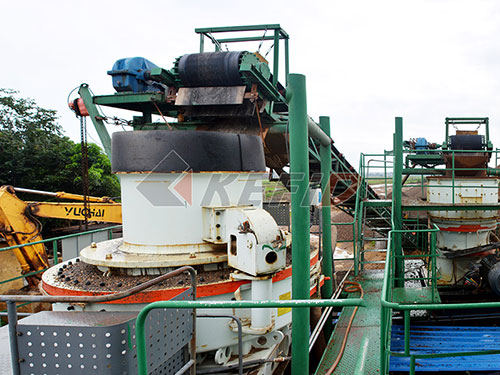
Eixo Principal: Transmits power from the drive system (typically an electric motor coupled via belts or gears) to the eccentric assembly.
Montagem Excêntrica: Consists of an eccentric sleeve/bushing rotating around a stationary shaft. This creates the mantle's gyratory motion.
Sistema Hidráulico: Modern cone crushers heavily utilize hydraulics for critical functions:
Adjusting CSS (Configuração lateral fechada): Precisely controls the size of the discharge opening by raising or lowering the main shaft assembly relative to the concave. Smaller CSS = finer output.
Proteção contra sobrecarga: Sophisticated hydraulic cylinders allow temporary expansion of the crushing chamber if uncrushable material (ferro vagabundo) enters, protecting internal components from catastrophic damage.