
Operador de britador de mineração
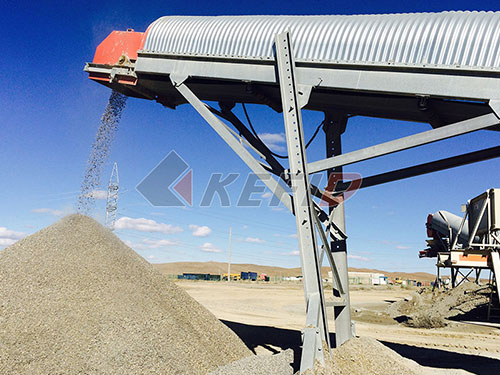

A potência invisível: Delving into the Critical Role of the Mining Crusher Operator
In the vast and complex ecosystem of modern mining operations, where colossal machines tear into the earth and intricate processes extract valuable minerals, one pivotal role often operates away from the immediate spotlight yet forms an indispensable foundation for success: the Mining Crusher Operator. Far more than simply pressing buttons or pulling levers in a dusty cab, these skilled professionals are the guardians of primary size reduction – a critical step that dictates efficiency downstream and ultimately impacts profitability and resource recovery across the entire mine site.
The Crux of Size Reduction
Before ore can be processed – whether through grinding mills for metals concentration or preparation plants for coal – it must be broken down from its massive run-of-mine (ROM) state into manageable fragments suitable for subsequent stages. This is where crushing reigns supreme as one of mining’s most energy-intensive and fundamental processes.
Crushers are engineered behemoths designed to apply immense force – compression (britadores de mandíbula), impacto (horizontal shaft impactors), shear/attrition (britadores de cone) – to fracture rock masses into progressively smaller pieces across multiple stages:
1. Britagem Primária: First contact with ROM material directly from haul trucks or shovels.
2. Britagem Secundária: Further reduction after primary crushing.
3. Britagem Terciária/Quaternária: Fine-tuning particle size to meet specific mill feed requirements.
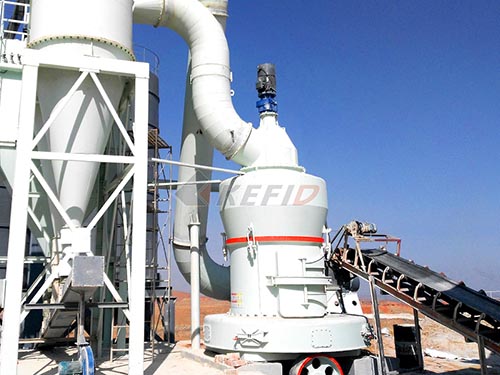
4. (Às vezes) Triagem: Integrated circuits often involve screening decks separating crushed material by size before recirculating oversized chunks back through secondary/tertiary crushers ("circuito fechado").
The Operator at the Helm
The Mining Crusher Operator is entrusted with managing this complex interplay of machinery and material flow within their assigned circuit(é). Their responsibilities extend far beyond basic operation:
1. Pre-Operational Vigilance: Conducting meticulous pre-shift inspections is paramount:
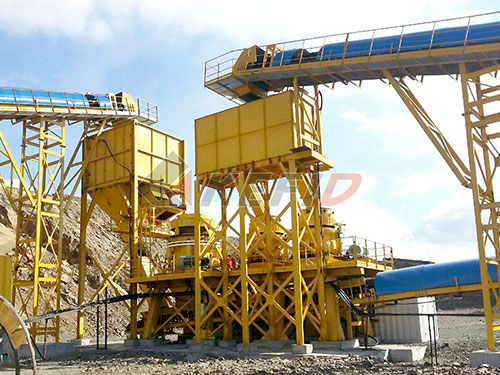
Checking structural integrity of liners/wear plates.
Verifying fluid levels (óleo hidráulico, lubrificantes).
Inspecting conveyor belts for wear/damage/tracking issues.
Testing emergency stop systems ("e-stops") and guarding integrity.
Assessing chute linings for blockages or excessive wear.
Reviewing logbooks for previous shift notes/issues.
2. Mastering Material Flow & Machine Control: This is core expertise:
Starting up/shutting down complex sequences safely according to