
mini britagem de minério de quartzo


mini britagem de minério de quartzo: Practical Insights for Small-Scale Operations
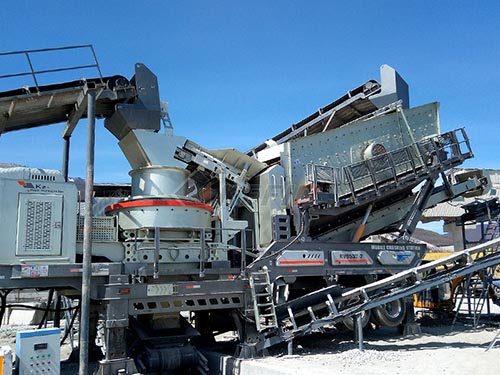
Processing quartz ore, even on a modest scale, requires careful consideration to achieve efficient liberation of valuable silica while managing costs and operational constraints. Mini quartz ore crushing operations – often serving artisanal miners, research labs, or niche industrial applications – demand tailored approaches distinct from large-scale mining. Here’s a focused look at key aspects:

1. Defining the "Mini" Escopo & Objectives:
Escala: Typically involves throughputs ranging from tens of kilograms to a few tonnes per hour.
Aplicativos: Sample preparation for assay or research, small-batch production for specialized ceramics/glass, feed material for small foundries or lapidary work, artisanal jewelry making.
Goal: Produce consistently sized material (often sand or grit) meeting specific purity and granulometry requirements with minimal fines generation where possible.
2. Core Equipment Selection (The Crushing Circuit):
Britagem Primária (Redução grosseira):
Britadores de mandíbulas: The most common choice for mini operations. Robusto, relatively simple to operate and maintain. Select a size appropriate for the maximum feed dimension and desired output size ratio (crushing ratio). Small laboratory or portable jaw crushers are ideal.
Moinhos de martelo: Effective for softer quartz or where higher fines generation is acceptable. Offer good reduction ratios in a single pass but wear parts faster on abrasive quartz and generate more dust.
Britagem Secundária (Redução adicional de tamanho & Moldar):
Trituradores de cone (Small Models): Provide better particle shape control than jaw crushers for finer products but are more complex and expensive.
Trituradores de rolo: Suitable for producing uniform granular products with minimal fines from pre-crushed feed. Effective gap adjustment is key.
(Frequentemente integrado): For many mini-operations aiming for a specific sand/grit size, a well-configured jaw crusher set to the target output may suffice as a single stage.
3. Critical Operational Considerations:
Feed Size Control: Crucial for protecting equipment and achieving target output. Use simple grizzlies or screens before the primary crusher to remove oversize material damaging to the crusher (por exemplo, metal vagabundo) and prevent bridging.
Moisture Management: Wet quartz is less dusty but can cause clogging in crushers designed